
• MVR(Mechanical Vapor Recompression)
  • MVR(Mechanical Vapor Recompression)
  • MVR(Mechanical Vapor Recompression)
  • MVR(Mechanical Vapor Recompression)
  • MVR(Mechanical Vapor Recompression)
  • MVR(Mechanical Vapor Recompression)
  • MVR(Mechanical Vapor Recompression)
  • MVR(Mechanical Vapor Recompression)
  • MVR(Mechanical Vapor Recompression)
  • MVR(Mechanical Vapor Recompression)
  • MVR(Mechanical Vapor Recompression)
  • MVR(Mechanical Vapor Recompression)

MVR(Mechanical Vapor Recompression)

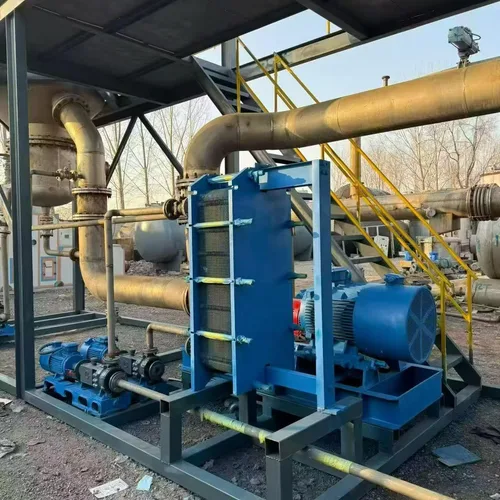
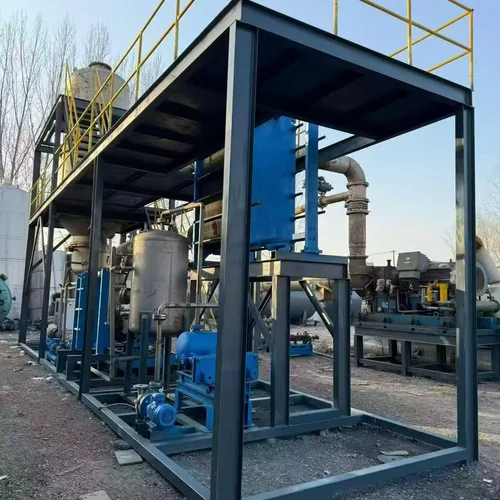
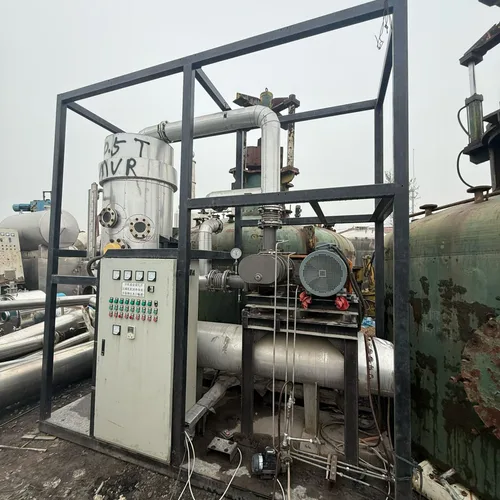
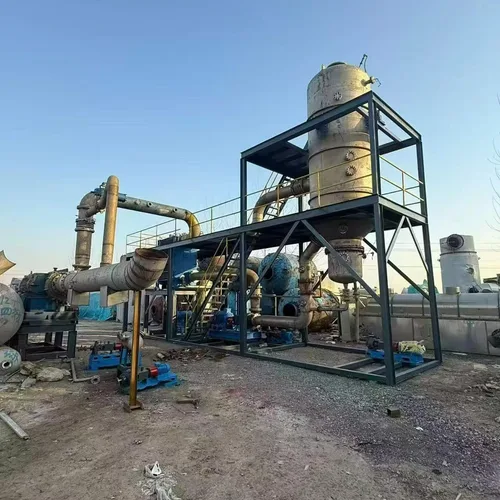
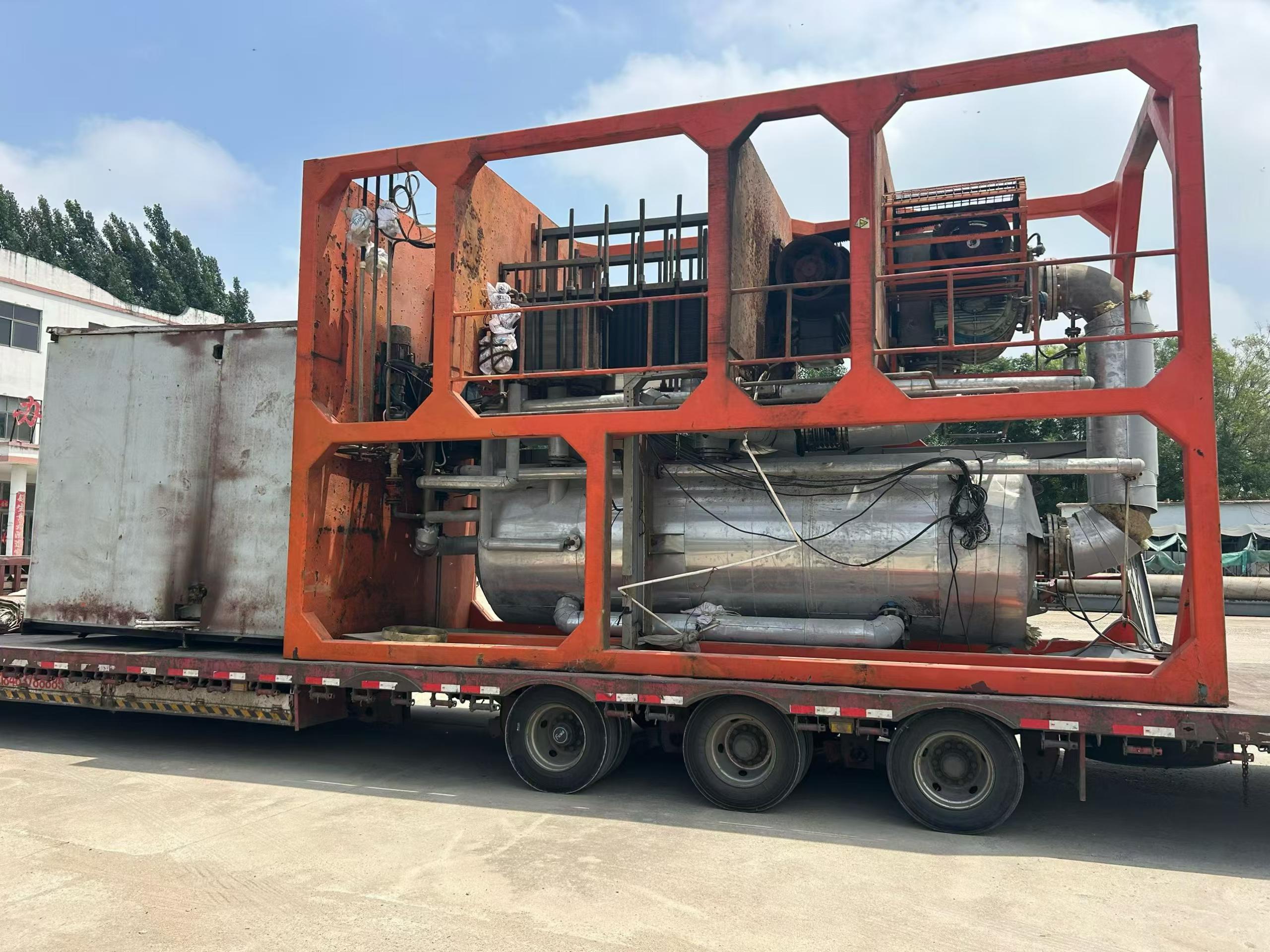
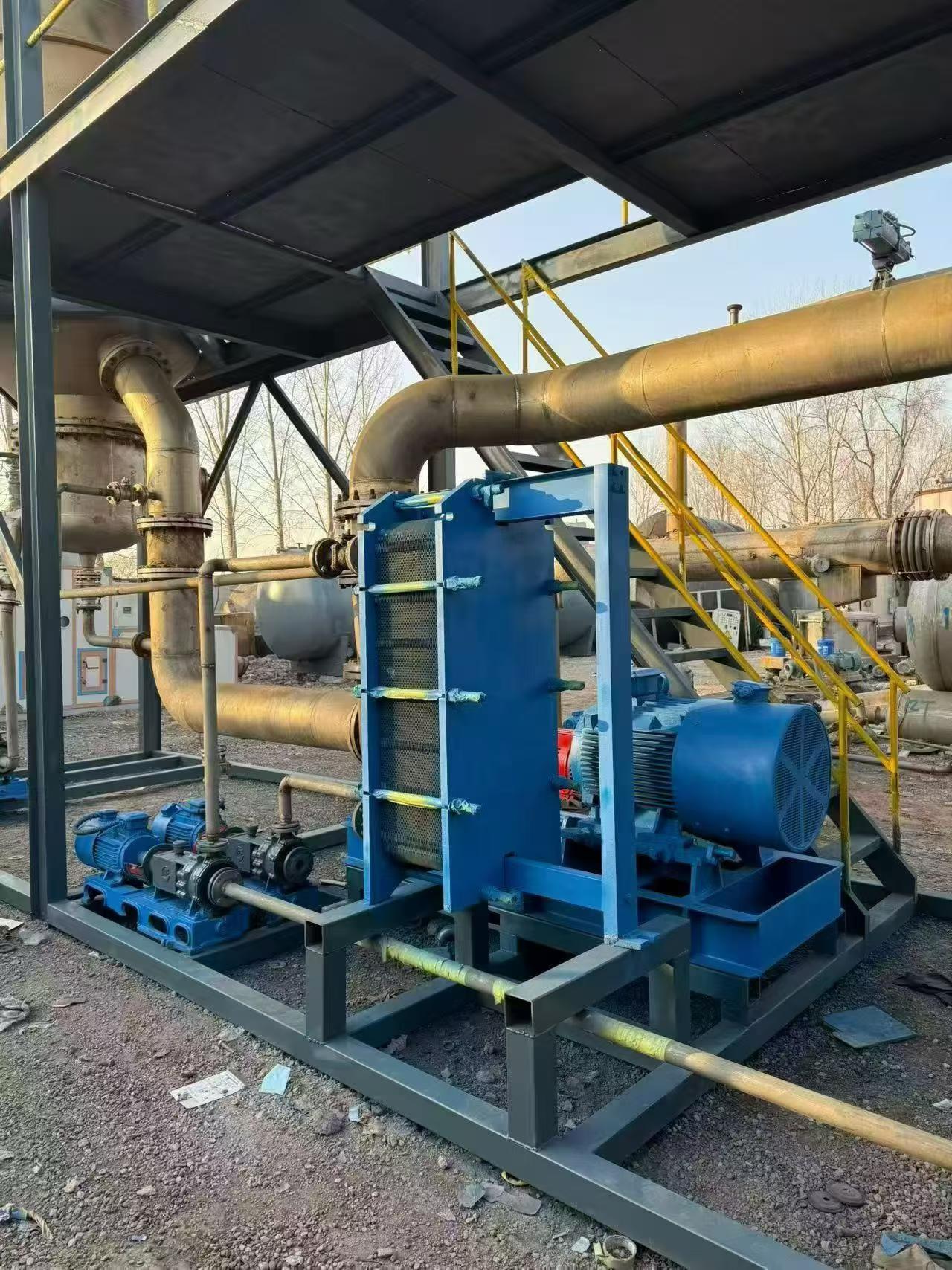
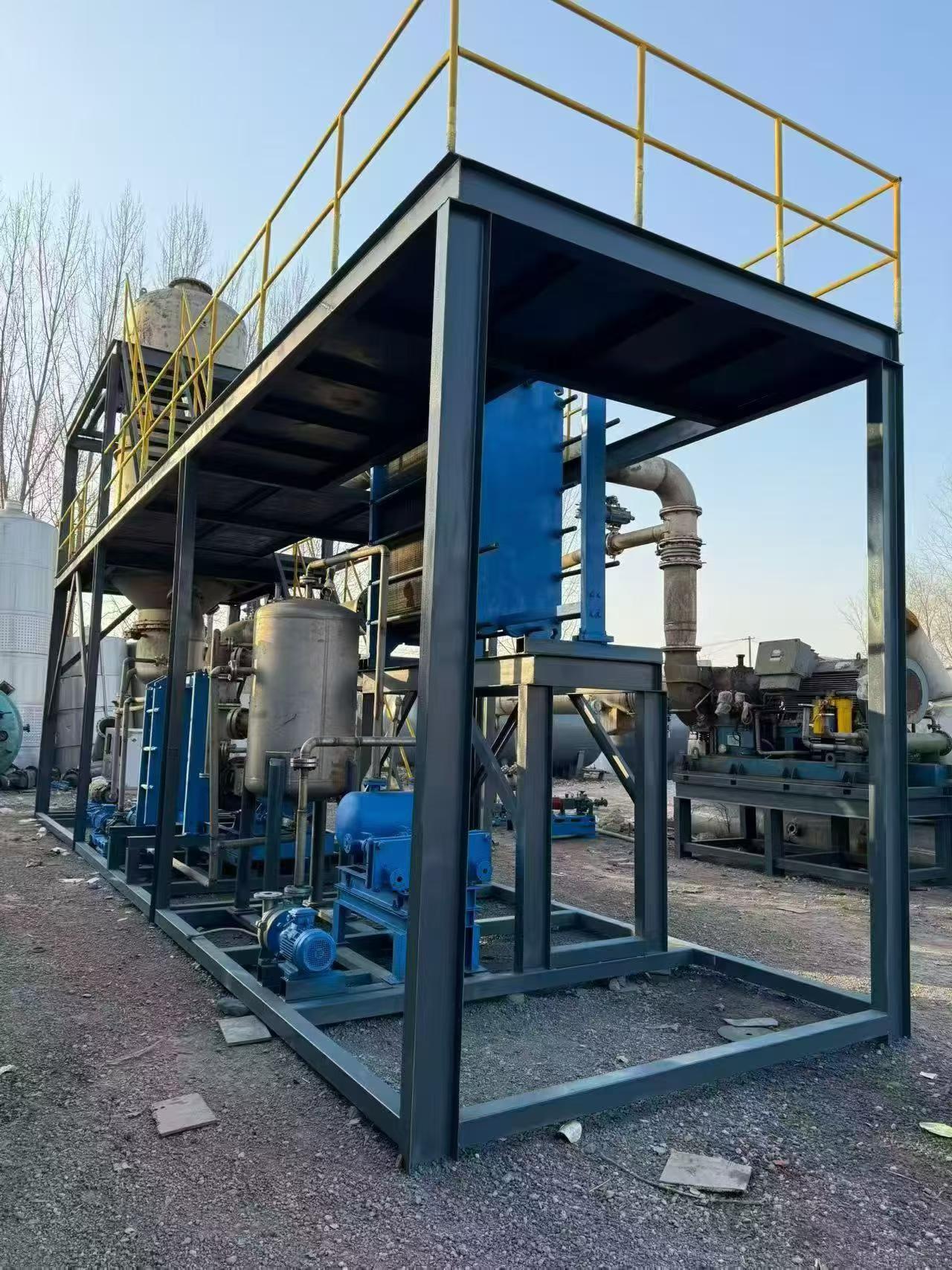
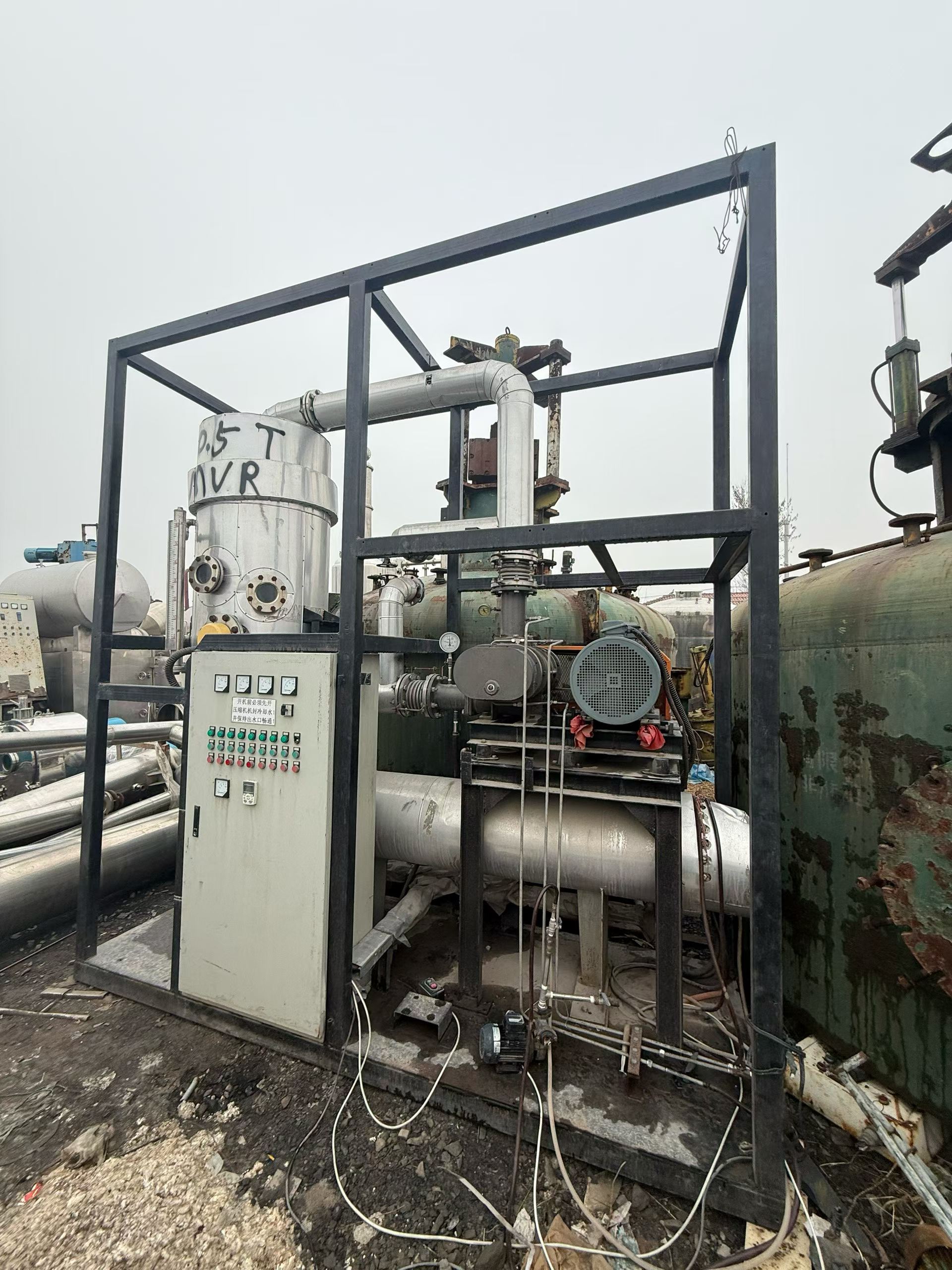
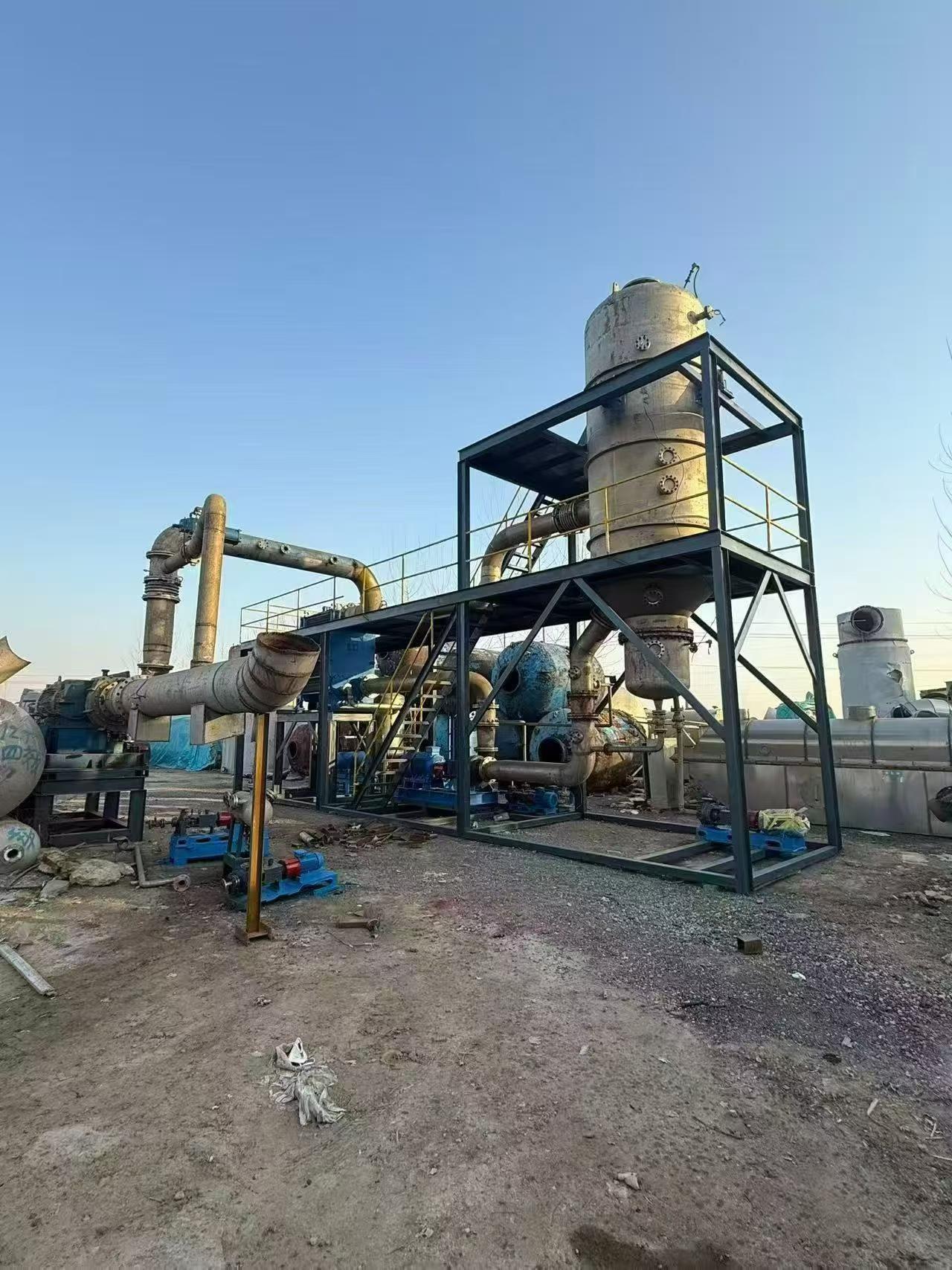
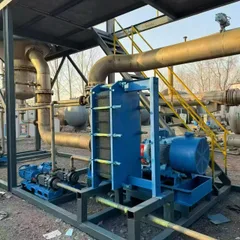
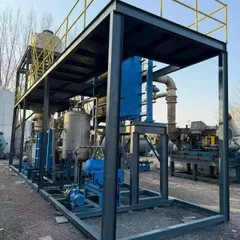
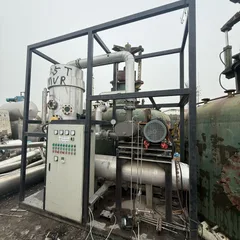
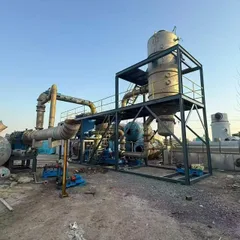
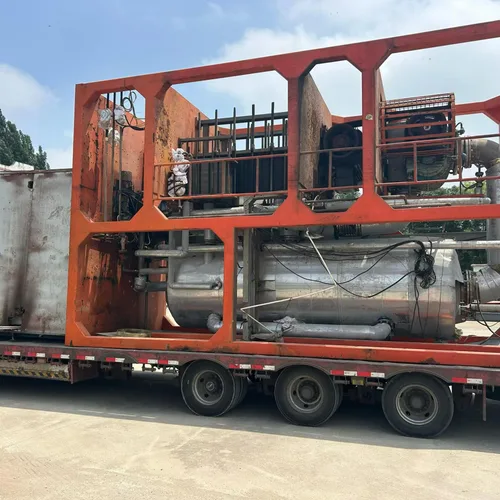
MVR (Mechanical Vapor Recompression) evaporator is a high-efficiency and energy-saving equipment for evaporation, concentration and crystallization. It adopts a compressor to pressurize and heat up secondary steam generated by evaporation, which is reused as heating source. Hardly any raw steam is required, and its energy consumption is 60%-90% lower than that of traditional multi-effect evaporators.


$8000.00 - 1500000.00
Liangshan Jingchang Machinery Equipment Co., Ltd.

Liangshan Jingchang Machinery Equipment Co., Ltd.

Main Products: Reactor, Storage Tank, Condenser, Centrifuge
View Supplier
Year Established Established in 2024
Main Products Reactor, Storage Tank, Condenser, Centrifuge
Employees 51-100 People
Factory Area 5,000-10,000 m²
Annual Revenue US$1 Million - US$5 Million
Main Markets Southeast Asia / Middle East & North Africa / Africa
Details

Common Models (By Evaporation Capacity & Daily Processing Capacity)

Used units are classified by hourly evaporation capacity (t/h) and daily processing capacity (t/d):
  1. Small Type (Laboratory & Pilot Test)
    0.5–1 t/h (12–24 t/d): Skid-mounted, mainly falling film type, 304/316L stainless steel, for food and pharmaceutical lab tests
    2–3 t/h (48–72 t/d): Small-scale production, traditional Chinese medicine extraction and fruit juice concentration
  2. Medium Type (Most Popular, accounting for 60% market share)
    5 t/h (120 t/d): Standard MVR evaporator, 316L stainless steel / titanium material, applied in chemical, pharmaceutical and high-salt wastewater treatment
    10 t/h (240 t/d): Mainstream model, mostly forced circulation type, for high-salt wastewater and crystallization process
    15–18 t/h (360–432 t/d): Large-scale production, new energy lithium battery, coal chemical industry and zero-discharge wastewater treatment
  3. Large Industrial Type
    25–30 t/h (600–720 t/d): Combined multi-effect and MVR structure, for high-salt, electroplating and printing & dyeing wastewater
    Above 50 t/h: Customized equipment for large-scale environmental protection, coal chemical and salt chemical industries

3. Material Selection (Material Contact Parts)

304 Stainless Steel
Application: Neutral and slightly corrosive materials, food and general chemical products
Features: Cost-effective, easy to clean, poor resistance to chloride ions
316L Stainless Steel
Application: Pharmaceutical, food, common salty wastewater, weak acid and alkali liquid
Features: Better corrosion resistance than 304, applicable when chloride ion ≤500mg/L
TA2 Pure Titanium
Application: High-salt, high-chloride, strong acid and alkali materials such as ammonium chloride, hydrochloric acid and concentrated brine
Features: Excellent chloride resistance, service life 10-15 years, high price
2205/2507 Duplex Steel
Application: Moderate to severe corrosive materials, 15%-25% salt content and chemical intermediates
Features: High strength and pitting resistance, higher cost performance than titanium
PE/PTFE Lining
Application: Highly corrosive and fluorine-containing materials
Features: Superior anti-corrosion performance, maximum working temperature ≤90℃

4. Application Industries

  1. Environmental Protection & Wastewater Treatment (Largest Market)
    High-salt industrial wastewater from chemical, electroplating, printing & dyeing and landfill leachate; zero liquid discharge, crystalline salt recovery and wastewater volume reduction
  2. Chemical Industry
    Evaporation and crystallization of inorganic salts including sodium chloride, sodium sulfate and ammonium chloride; concentration of dyestuff, pigment and pesticide intermediates; organic solvent and waste acid recovery
  3. Pharmaceutical Industry
    Low-temperature concentration of antibiotics, vitamins and traditional Chinese medicine extract at 40-80℃; concentration of fermentation liquid and pharmaceutical intermediates to preserve heat-sensitive activity
  4. Food Industry
    Concentration of fruit juice, syrup, whey, monosodium glutamate and starch sugar; low-temperature evaporation maintains original flavor and nutrition
  5. New Energy & Lithium Battery
    Concentration and crystallization of battery electrolyte, lithium sulfate and ammonium chloride solution; lithium salt recycling and wastewater treatment
  6. Other Fields
    Seawater desalination, coal chemical, petrochemical, papermaking, electroplating and rare earth smelting

    Working Principle of Used MVR Evaporator

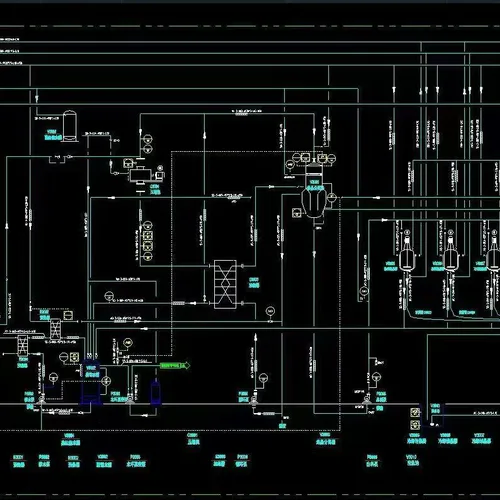
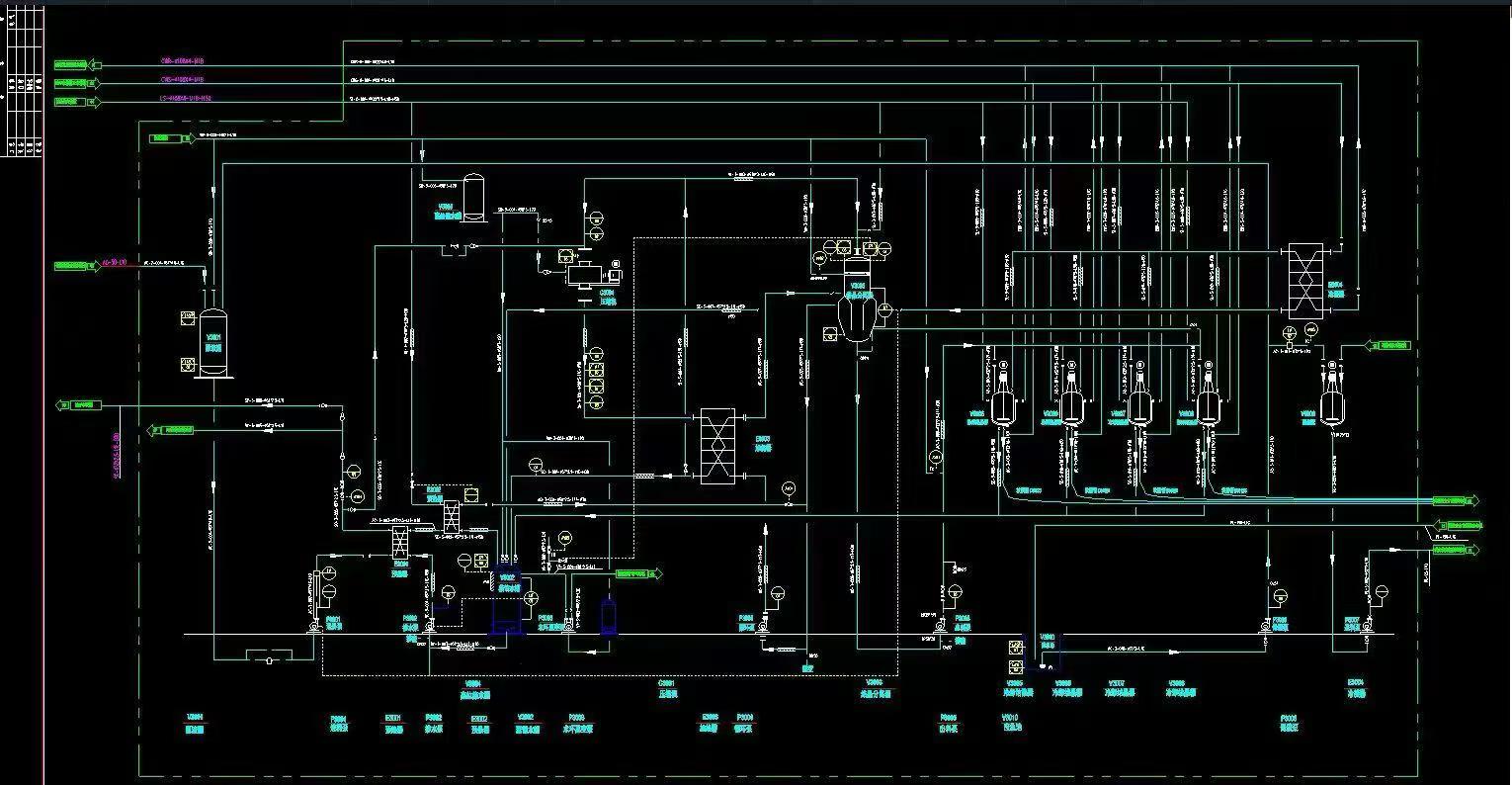
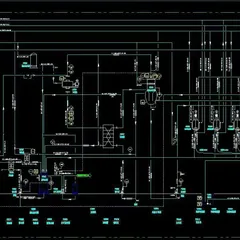
    MVR refers to Mechanical Vapor Recompression Evaporator. It recycles heat energy of secondary vapor by mechanical compression to cut energy consumption.
    1. Raw material is heated and boiled inside the chamber, generating low-temperature and low-pressure secondary vapor.
    2. The vapor compressor sucks in secondary vapor, raising its pressure and temperature through compression.
    3. Heated vapor flows back into the evaporator and serves as heat source to heat raw liquid again.
    4. Vapor condenses into clean water after heat release, while the liquid material gets concentrated continuously. Concentrated material will be discharged when reaching required density.
    5. The whole system runs in closed cycle. It barely needs fresh steam supply, and only consumes electric power to maintain evaporation.
  • MVR(Mechanical Vapor Recompression)
  • MVR(Mechanical Vapor Recompression)
  • MVR(Mechanical Vapor Recompression)
  • MVR(Mechanical Vapor Recompression)
  • MVR(Mechanical Vapor Recompression)
  • MVR(Mechanical Vapor Recompression)

Description

Common Models (By Evaporation Capacity & Daily Processing Capacity)

Used units are classified by hourly evaporation capacity (t/h) and daily processing capacity (t/d):
  1. Small Type (Laboratory & Pilot Test)
    0.5–1 t/h (12–24 t/d): Skid-mounted, mainly falling film type, 304/316L stainless steel, for food and pharmaceutical lab tests
    2–3 t/h (48–72 t/d): Small-scale production, traditional Chinese medicine extraction and fruit juice concentration
  2. Medium Type (Most Popular, accounting for 60% market share)
    5 t/h (120 t/d): Standard MVR evaporator, 316L stainless steel / titanium material, applied in chemical, pharmaceutical and high-salt wastewater treatment
    10 t/h (240 t/d): Mainstream model, mostly forced circulation type, for high-salt wastewater and crystallization process
    15–18 t/h (360–432 t/d): Large-scale production, new energy lithium battery, coal chemical industry and zero-discharge wastewater treatment
  3. Large Industrial Type
    25–30 t/h (600–720 t/d): Combined multi-effect and MVR structure, for high-salt, electroplating and printing & dyeing wastewater
    Above 50 t/h: Customized equipment for large-scale environmental protection, coal chemical and salt chemical industries

3. Material Selection (Material Contact Parts)

304 Stainless Steel
Application: Neutral and slightly corrosive materials, food and general chemical products
Features: Cost-effective, easy to clean, poor resistance to chloride ions
316L Stainless Steel
Application: Pharmaceutical, food, common salty wastewater, weak acid and alkali liquid
Features: Better corrosion resistance than 304, applicable when chloride ion ≤500mg/L
TA2 Pure Titanium
Application: High-salt, high-chloride, strong acid and alkali materials such as ammonium chloride, hydrochloric acid and concentrated brine
Features: Excellent chloride resistance, service life 10-15 years, high price
2205/2507 Duplex Steel
Application: Moderate to severe corrosive materials, 15%-25% salt content and chemical intermediates
Features: High strength and pitting resistance, higher cost performance than titanium
PE/PTFE Lining
Application: Highly corrosive and fluorine-containing materials
Features: Superior anti-corrosion performance, maximum working temperature ≤90℃

4. Application Industries

  1. Environmental Protection & Wastewater Treatment (Largest Market)
    High-salt industrial wastewater from chemical, electroplating, printing & dyeing and landfill leachate; zero liquid discharge, crystalline salt recovery and wastewater volume reduction
  2. Chemical Industry
    Evaporation and crystallization of inorganic salts including sodium chloride, sodium sulfate and ammonium chloride; concentration of dyestuff, pigment and pesticide intermediates; organic solvent and waste acid recovery
  3. Pharmaceutical Industry
    Low-temperature concentration of antibiotics, vitamins and traditional Chinese medicine extract at 40-80℃; concentration of fermentation liquid and pharmaceutical intermediates to preserve heat-sensitive activity
  4. Food Industry
    Concentration of fruit juice, syrup, whey, monosodium glutamate and starch sugar; low-temperature evaporation maintains original flavor and nutrition
  5. New Energy & Lithium Battery
    Concentration and crystallization of battery electrolyte, lithium sulfate and ammonium chloride solution; lithium salt recycling and wastewater treatment
  6. Other Fields
    Seawater desalination, coal chemical, petrochemical, papermaking, electroplating and rare earth smelting

    Working Principle of Used MVR Evaporator

    MVR refers to Mechanical Vapor Recompression Evaporator. It recycles heat energy of secondary vapor by mechanical compression to cut energy consumption.
    1. Raw material is heated and boiled inside the chamber, generating low-temperature and low-pressure secondary vapor.
    2. The vapor compressor sucks in secondary vapor, raising its pressure and temperature through compression.
    3. Heated vapor flows back into the evaporator and serves as heat source to heat raw liquid again.
    4. Vapor condenses into clean water after heat release, while the liquid material gets concentrated continuously. Concentrated material will be discharged when reaching required density.
    5. The whole system runs in closed cycle. It barely needs fresh steam supply, and only consumes electric power to maintain evaporation.
RFQ