

Introduction
Rising fuel costs and tightening emission regulations (EPA Tier 4 Final, EU Stage V) are reshaping heavy industry. Traditional excavators consume 20-30 liters of diesel per operating hour, directly squeezing project margins. The energy saving excavator is no longer a luxury—it is a financial and regulatory necessity. By integrating advanced load-sensing hydraulics, auto-idle stop-start, and variable displacement pumps, these machines reduce fuel burn by 15-25% without sacrificing breakout force or cycle times. This analysis covers powertrain architecture, ISO 9249 fuel consumption metrics, and real-world ROI models.
Core Powertrain & Structural Design
Intelligent Engine-Hydraulic Integration
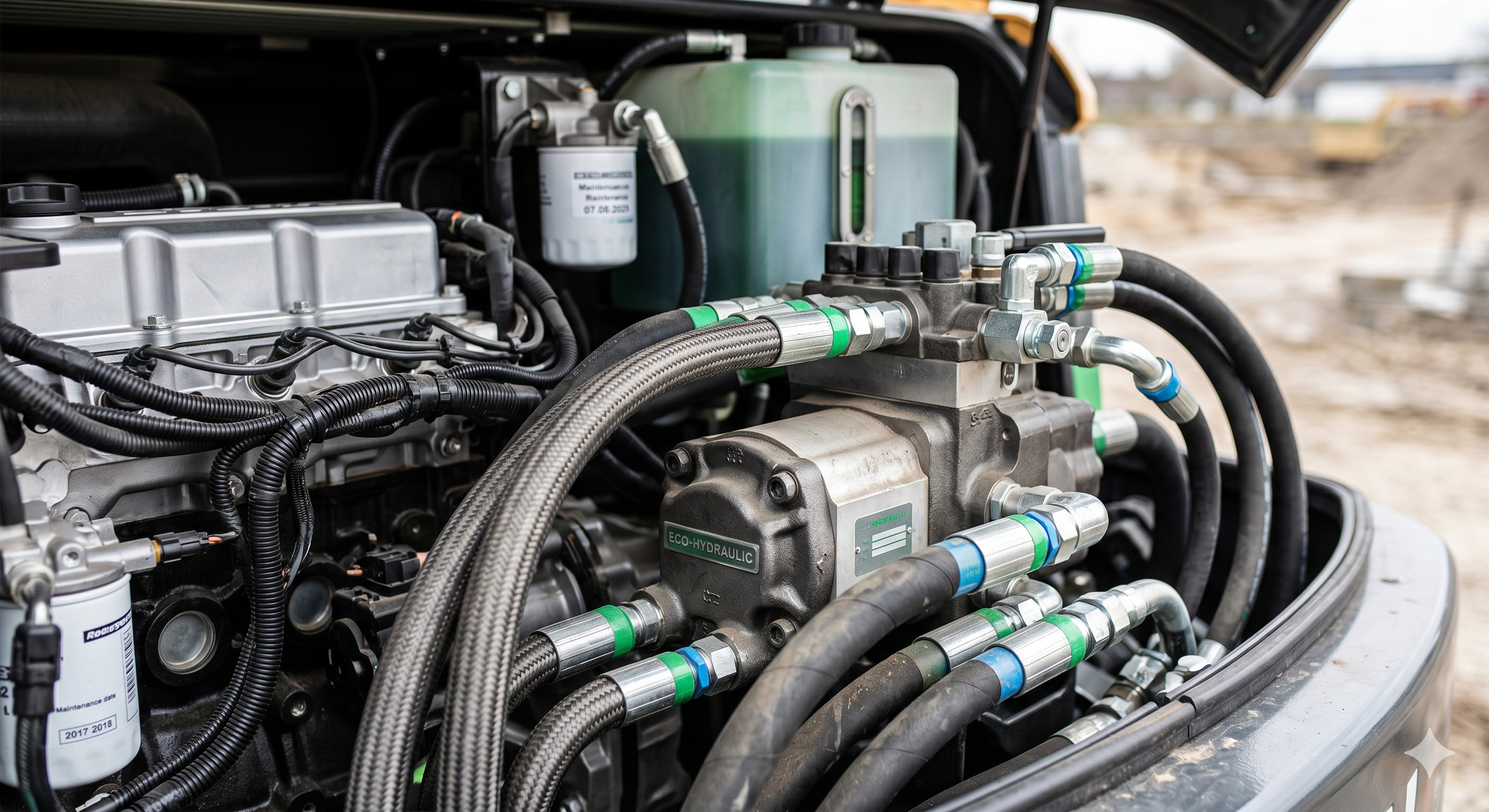
The heart of an energy saving excavator is its electronically controlled, common-rail diesel engine paired with a closed-center hydraulic system. Unlike conventional open-center systems that waste flow at idle, modern designs incorporate load sensing and negative flow control. The engine control unit (ECU) continuously matches pump displacement to actual joystick demands, reducing parasitic loss. For Tier 4 Final / Stage V compliance, most models use cooled exhaust gas recirculation (CEGR) and a diesel particulate filter (DPF) with regeneration cycles optimized to avoid idle fuel waste. Typical horsepower ranges from 100 to 500 HP, with torque rise of 30-40% for heavy digging.
Hydraulic Regeneration & Energy Recovery
Boom and arm lowering often releases gravitational potential energy as heat. An energy saving excavator uses regenerative hydraulic circuits that redirect oil from the rod side to the piston side of cylinders during descent, cutting pump flow demand by up to 40%. Some hybrid models also store energy in ultracapacitors or hydraulic accumulators. ISO 6016 testing confirms that regeneration reduces fuel consumption per cubic meter by 12-18% in load-and-carry applications.
Durable, Lightweight Chassis
Structural durability is critical for heavy use. High-tensile steel (yield strength ≥ 600 MPa) in upper and lower frames reduces weight while maintaining ROPS/FOPS certification (ISO 12117-2, ISO 10262). Lighter unsprung mass improves fuel efficiency in travel mode. Track undercarriages feature sealed and lubricated chains with extended 7,000-hour bushing life.
Technical Specifications
The table below summarizes representative parameters for a 20-ton class energy saving excavator meeting Stage V / Tier 4 emissions.
[TABLE_1]Comparative Advantage: Why Energy Saving Excavators Beat Conventional Models
Total Cost of Ownership (TCO) Analysis
Over 10,000 operating hours, a conventional 20-ton excavator consumes roughly 22 L/h of diesel. At $1.10/L, fuel cost = $242,000. An energy saving excavator at 17 L/h reduces fuel cost to $187,000—a $55,000 saving. Additional savings come from longer oil change intervals (2,000 vs 1,000 hours) and reduced DPF regeneration downtime. ROI payback is typically 12-18 months on the higher initial purchase price (10-15% premium).
Productivity Metrics
Independent tests (ISO 9249) show that optimized hydraulics maintain digging force (160-180 kN for 20-ton class) and cycle times (6-8 seconds for 90-degree truck loading). The variable-speed fan and on-demand cooling further reduce auxiliary load by 3-5% of engine power.
Heavy-Duty Application Scenarios
Urban Construction & Earthmoving: Reduced noise (≤ 100 dB(A)) and zero visible smoke allow work in noise-sensitive zones. Auto idle (<5 seconds) cuts fuel waste during waiting.
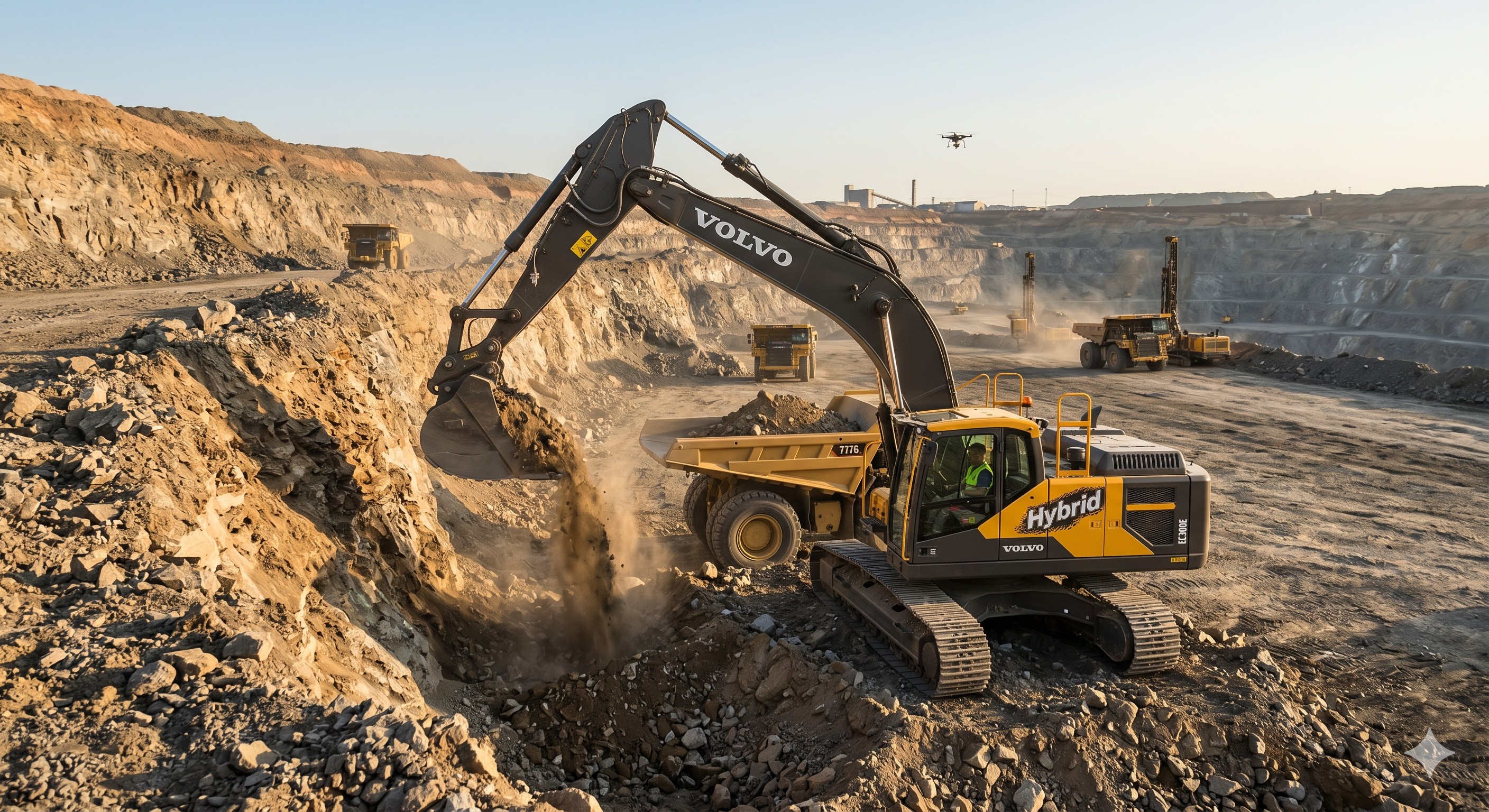
Mining & Quarrying: High breakout force paired with energy recovery on boom lowering is ideal for bench loading and truck hopper feeding. Lower heat rejection improves reliability in 45°C ambient temperatures.
Demolition & Recycling: Attachment recognition software automatically tunes hydraulic flow for hammers, shears, or grapples, eliminating overspeed waste.
Forestry & Land Clearing: Long-reach variants with energy-efficient swing circuits achieve 20% lower fuel use per hectare cleared.
Conclusion
An energy saving excavator is a core enabler of sustainable, profitable heavy machinery operations. By integrating load-sensing hydraulics, regeneration, and Tier 4 / Stage V engine control, owners achieve 25% lower fuel consumption and 15% lower maintenance costs while meeting strict environmental rules. For mining, construction, and earthmoving, the shift to energy-efficient designs is not just ecological—it is fundamental to remaining competitive. Evaluate TCO, not just purchase price, and demand certified fuel consumption data from your OEM.