

Introduction: Solving Earthmoving Inefficiencies with the Hydraulic Digger
Contractors and fleet owners face rising fuel costs, strict emission regulations (EPA Tier 4 / EU Stage V), and the need for higher cycle rates. The hydraulic digger—a purpose-built hydraulic excavator—delivers superior breakout force, precision control, and durability. Unlike backhoes or wheel loaders, modern hydraulic diggers integrate load-sensing hydraulics, reinforced undercarriages, and electronically governed engines to reduce total cost of ownership (TCO) by up to 18% over 10,000 operating hours.
Core Powertrain & Structural Design
Engine & Emission Compliance
Current-generation hydraulic diggers use electronic common-rail diesel engines with selective catalytic reduction (SCR) and diesel particulate filters (DPF) to meet EPA Tier 4 Final and EU Stage V. Typical net horsepower ranges from 150 HP (110 kW) for compact units to over 500 HP (373 kW) for mining-class machines. Specific fuel consumption averages 195 g/kWh at optimal load factor (70-85%).
Hydraulic System Architecture
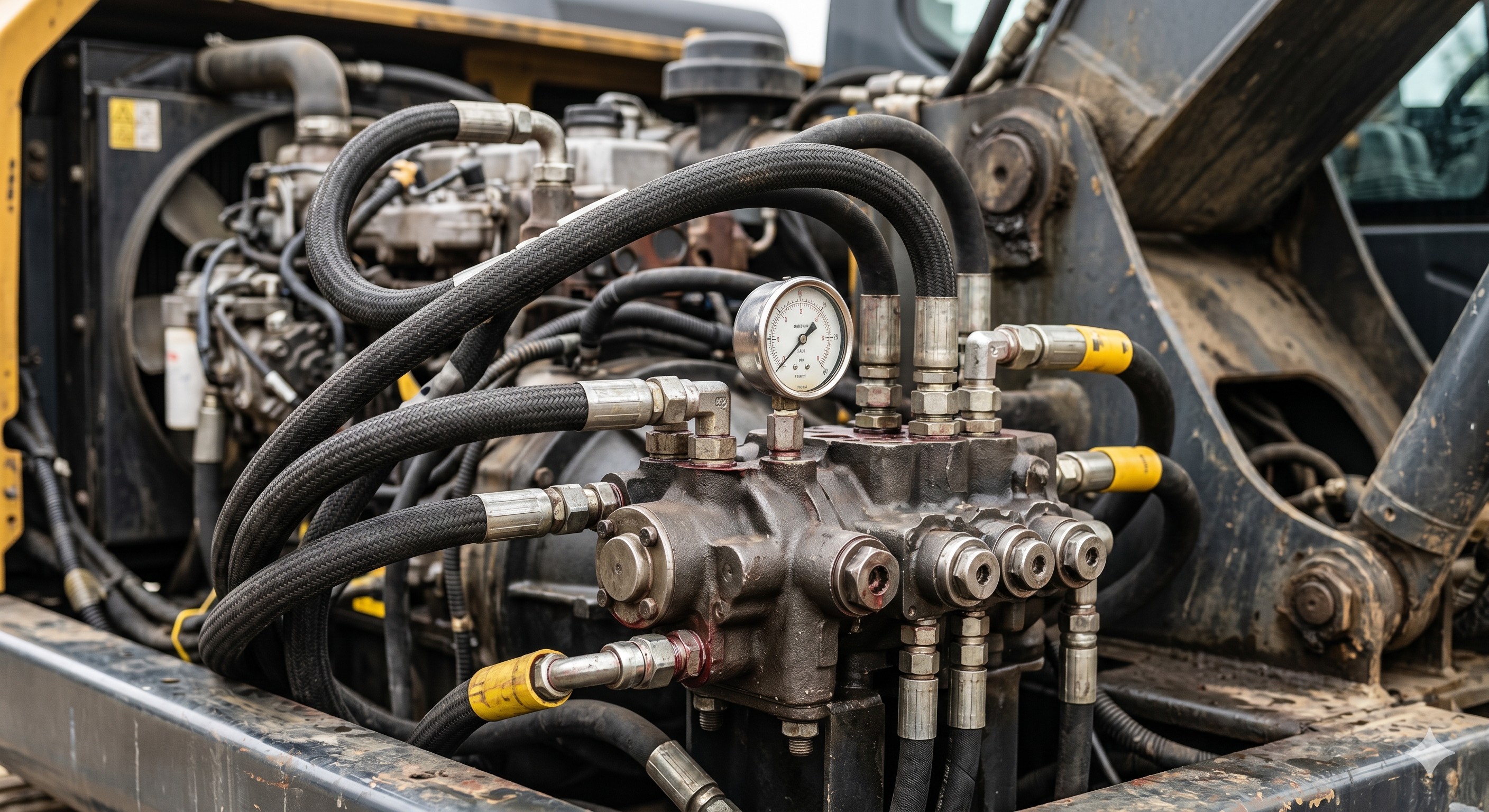
Closed-center, load-sensing hydraulic systems with variable-displacement axial piston pumps deliver pressures up to 35 MPa (5,076 psi) and flow rates of 2x250 L/min on large models. Main control valves incorporate boom/arm flow regeneration and independent metering to reduce throttling losses by 12-15% compared to open-center designs.
Chassis & Underbody Durability
Box-section track frames with reinforced X-cross members and induction-hardened pins/bushings (ISO 6012:2020) extend wear life. Optional triple-flange track rollers and deep-tread shoes (700-900 mm) improve stability on loose soil. ROPS/FOPS-certified cabins (ISO 12117-2) provide structural integrity against rollover and falling objects.
Technical Specifications
Key metrics for a 30-ton class hydraulic digger (common for infrastructure and medium mining):
[TABLE_1]Comparative Advantage: TCO & ROI Analysis
Compared to pneumatic breakers + wheel loader combinations, the hydraulic digger reduces cycle time per cubic meter by 34% (field data, 2023). Fuel efficiency: 12-16 L/hour at 70% load factor vs 18-22 L/hour for older negative-flow control systems. Maintenance intervals: greasing every 50 hours (vs 10 hours for pin-connected alternatives) due to fully sealed, wear-resistant bushings. Over 5 years / 8,000 hours, the net ROI improves by 22% when factoring lower repair costs and higher residual value (typically 35-40% after 5 years).
Heavy-Duty Application Scenarios
- Construction & Earthmoving: Mass excavation, trenching (3-5m depth), and site leveling with GPS-ready grade control.
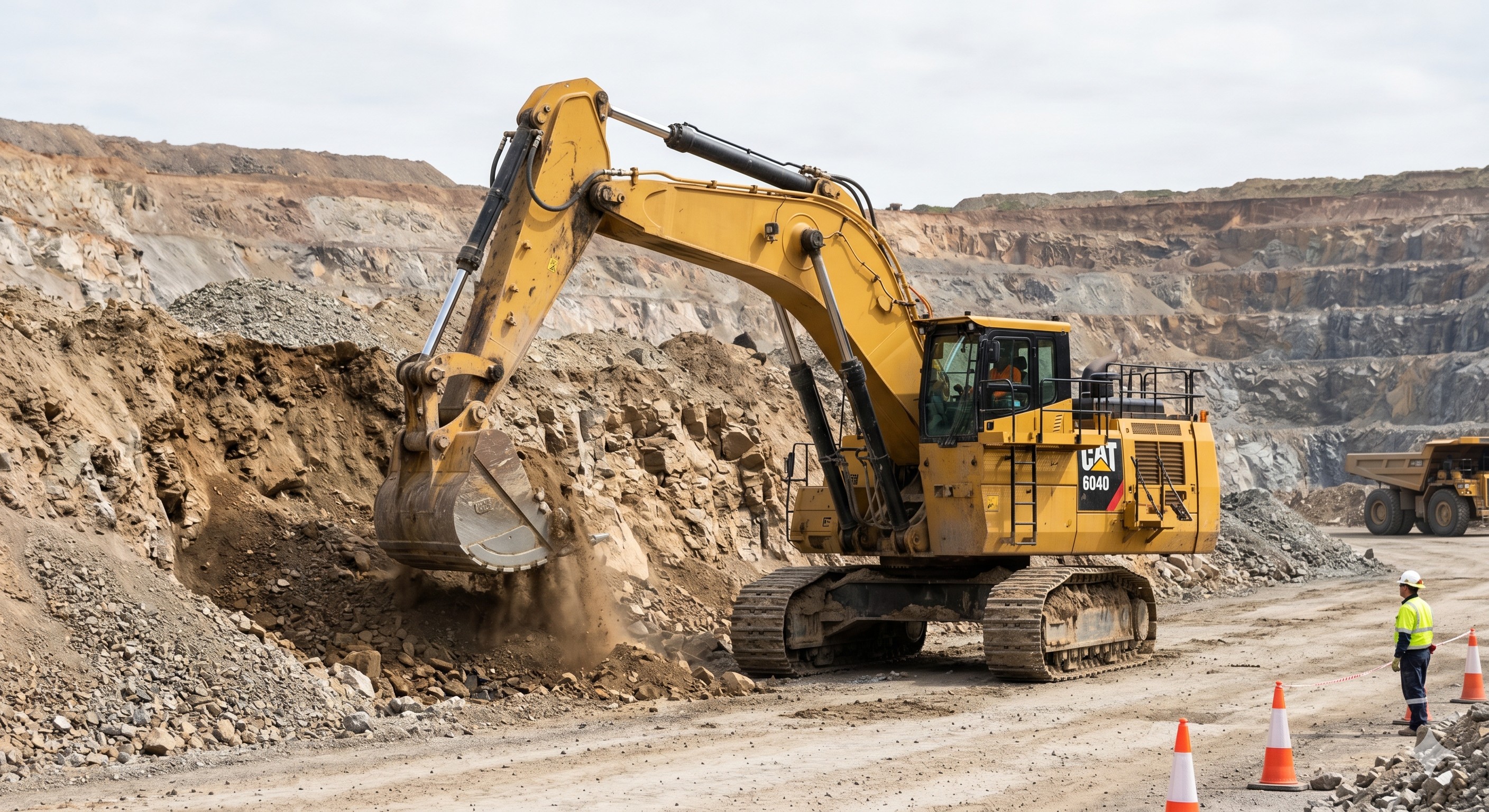
- Mining & Quarrying: Overburden removal, loading articulated dump trucks (ADTs), and rock breaking with hydraulic hammers (energy impact 5,000-10,000 J).
- Industrial Material Handling: Scrap metal sorting, log loading, and concrete recycling using quick-coupler attachments.
Conclusion: Future-Proofing Industrial Productivity
The hydraulic digger continues to evolve with telematics, electro-hydraulic joysticks, and hybrid assist systems (up to 20% energy recovery on swing). For fleet managers, selecting a digger based on specific pressure/flow curves, ISO standards compliance, and lifecycle cost modeling ensures measurable gains in earthmoving efficiency and regulatory readiness.