

Overview
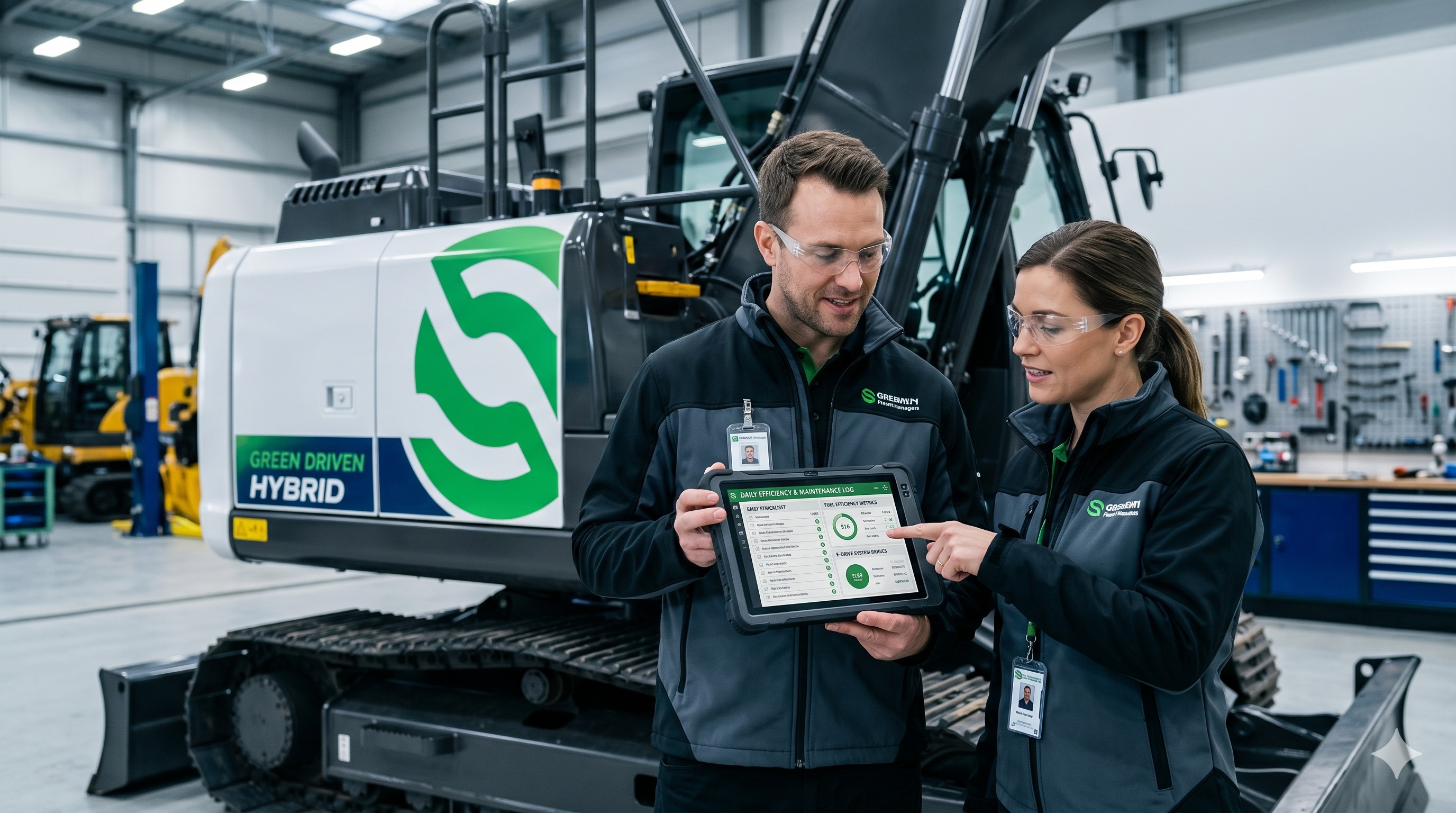
For B2B procurement and fleet managers, transitioning to an energy saving excavator means lower fuel burn and reduced emissions without sacrificing breakout force. This FAQ addresses pre-sale specification verification, post-sale maintenance protocols, and component lifecycles specific to electric-hybrid and high-efficiency hydraulic systems.
Frequently Asked Questions
Q1: What is the standard maintenance interval for an energy saving excavator?
The standard maintenance interval for an energy saving excavator is every 500 engine hours for routine checks, with hydraulic filter replacement at 1,000 hours. Unlike conventional models, the electric swing motor (if equipped) requires no grease interval for swing bearings. For Tier 4 Final or Stage V engines, diesel particulate filter (DPF) ash cleaning is required every 3,000 to 4,500 hours depending on duty cycle.
Q2: What is the maximum payload capacity for a 20-ton energy saving excavator?
The maximum payload capacity for a 20-ton energy saving excavator is 12,500 kg (27,557 lbs) at ground level with a standard 1.2 m³ bucket, matching conventional models while reducing fuel consumption by up to 25%. However, due to hybrid battery weight distribution, lifting over the side is reduced by approximately 3% compared to standard units. Confirm with the machine's load moment indicator (LMI) before each heavy lift.
Q3: Which attachment types are compatible with energy saving excavators?
Energy saving excavators are compatible with ISO 11731 pin-grabber couplers and all hydraulic attachments rated for flow-on-demand systems (breakers, compactors, shears). However, continuous-rotation attachments like augers and hydraulic grabs require verification of the auxiliary circuit's continuous flow rating (typically 150-200 L/min). For maximum energy efficiency, use attachments with integrated pressure sensors and regeneration valves.
Q4: What type of hydraulic fluid does an energy saving excavator require?
The hydraulic fluid required is a bio-degradable, low-viscosity synthetic oil meeting ISO 15380 HEES (Environmentally Hydraulic Fluids) or a standard ISO VG 46 with high viscosity index (VI >170). Hybrid systems require fluid with electrical conductivity below 2.0 nS/m to prevent sensor interference. Fluid change interval is 2,500 hours or 24 months, whichever comes first. Do NOT use conventional mono-grade oils; they degrade electric pump bearings.
Q5: What are the engine emissions standards for imported energy saving excavators?
All new energy saving excavators imported for B2B fleet use must comply with EPA Tier 4 Final (USA) or EU Stage V (Europe) emission standards, verified by a non-road mobile machinery (NRMM) certificate. For hybrid-electric models, engine emissions are measured using ISO 8178 C1 cycle. Be aware that some Chinese or Indian assembled units may advertise “energy saving” but still carry Tier 3 engines—these cannot be legally sold in regulated regions without a retrofit verified by CARB or equivalent authority.
Q6: How often should I replace the high-voltage battery in a hybrid energy saving excavator?
The high-voltage battery in a hybrid energy saving excavator should be replaced at 8,000 operating hours or when capacity drops below 70% of rated state-of-health (SoH). Nickel-manganese-cobalt (NMC) packs typically last 6-8 years in moderate climates. Diagnostic software (e.g., OEM’s battery management system (BMS) tool) will trigger a service code at 65% SoH. Factor battery replacement cost (approx. $12,000-$18,000) into your 5-year total cost of ownership (TCO).
Q7: What is the water fording depth of an energy saving excavator?
The maximum water fording depth for an energy saving excavator is 700 mm (27.5 inches) for the undercarriage and 1,200 mm (47.2 inches) for the superstructure if the electric motor ventilation snorkel is installed. For hybrid models, fording any water above 500 mm requires disabling the auto-stop regeneration system to prevent water ingestion into the DPF. Fording beyond 700 mm voids the high-voltage component warranty.
Q8: Where can I find genuine spare parts for older energy saving excavator models?
Genuine spare parts for energy saving excavator models produced before 2018 are available through OEM remanufacturing programs (e.g., Cat Reman, Komatsu ReCon) and authorized aftermarket suppliers like ITR Group or H-E Parts. Always verify the part’s “energy efficiency certification” label—non-genuine pumps often have 8-12% lower hydraulic efficiency. For discontinued hybrid inverters and battery modules, contact the OEM’s certified recycling partner directly using the machine’s serial number prefix.