

Overview
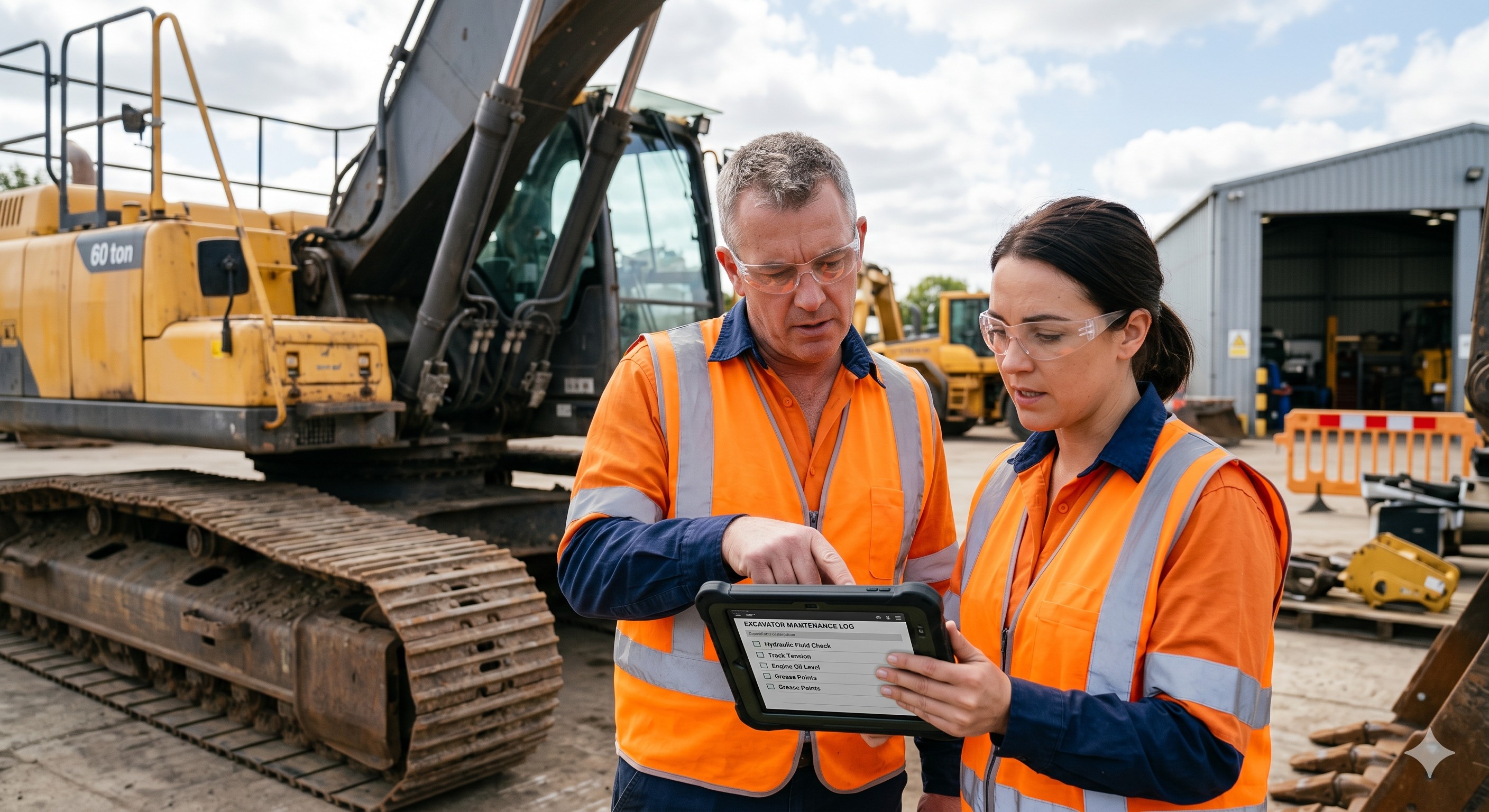
For B2B fleet and procurement managers, the 60 ton excavator class represents a critical balance of power and transportability. This FAQ addresses pre-sales technical specifications and post-sales maintenance schedules to maximize uptime and ROI.
Frequently Asked Questions
Q1: What is the standard operating capacity (max payload) of a 60 ton excavator?
The standard operating capacity of a 60 ton excavator is approximately 18,000 to 22,000 kg (39,600 to 48,500 lbs) for lift capacity over the front at ground level. This varies by boom arm configuration and counterweight selection. For safe B2B operations, always consult the machine's load chart; an optional heavy counterweight can increase capacity by up to 15% but reduces transportability.
Q2: What are the engine emissions standards for a 60 ton excavator in 2025?
All new 60 ton excavators sold in North America and Europe must comply with Tier 4 Final / Stage V emissions standards. This requires a Diesel Particulate Filter (DPF) and Selective Catalytic Reduction (SCR) with Diesel Exhaust Fluid (DEF). For pre-owned units, verify the original certification; Tier 3 machines are restricted in low-emission zones and may incur usage penalties.
Q3: Is my existing hammer attachment compatible with any 60 ton excavator?
No, attachment compatibility requires matching the excavator's hydraulic flow and pressure (typically 400-450 L/min at 32-35 MPa for this class) with the attachment's requirements. Always verify the pin size (usually 100-120 mm), bracket width, and minimum operating weight. Using an undersized hammer on a 60 ton excavator will void warranties and cause severe boom cracking within 200 hours.
Q4: What is the hydraulic fluid replacement interval for a 60 ton excavator?
The hydraulic fluid replacement interval for a 60 ton excavator is every 2,000 operating hours or 12 months, whichever comes first, under normal conditions. Severe duty cycles (high ambient dust, extreme temperatures, or heavy demolition) reduce this to 1,000-1,500 hours. Always use ISO VG 46 or 68 grade with a minimum viscosity index of 150, and change both return and pilot filters at every fluid change.
Q5: What are the most critical spare parts to keep in inventory for a 60 ton excavator?
For minimal downtime, keep three categories of spare parts for a 60 ton excavator: (1) Consumables – air, fuel, hydraulic, and pilot filters; (2) Wear items – track shoes, idlers, sprockets, and bucket teeth; (3) Critical electronics – main pressure sensor and boom angle sensor. A cost-effective stocking strategy prioritizes fuel pre-filters and final drive oil seals, which fail unexpectedly and have lead times exceeding 10 days.
Q6: How often should I replace the swing bearing grease and perform inspections?
The swing bearing should be greased every 50 operating hours using NLGI #2 lithium-based grease with 3-5% molybdenum disulfide. Full visual inspection for radial clearance and bolt torque checks must occur every 1,000 hours. A swing bearing failure on a 60 ton excavator typically costs $25,000-$40,000 in parts alone and requires 80-120 hours of shop labor.
Q7: What is the typical fuel consumption of a 60 ton excavator under load?
A 60 ton excavator consumes between 25 and 35 liters (6.6 to 9.2 gallons) of diesel per hour in standard digging applications at 70-80% load factor. At full horsepower (e.g., heavy rock breaking), consumption can reach 42 L/h. For fleet budgeting, assume 30 L/h average with diesel at local rates, and install telematics to monitor idle time which often accounts for 25% of total fuel burn.
Q8: Where can I source OEM and aftermarket undercarriage parts for a 60 ton excavator?
OEM undercarriage parts for a 60 ton excavator are available through brand dealerships (Caterpillar, Komatsu, Hitachi, Volvo) with 7-14 day lead times. Aftermarket alternatives from suppliers like ITR or Amtec offer 30-40% cost savings but require careful grade matching. Always request a chemical analysis report for track chain bushing hardness (minimum 52 HRC) and pin induction depth. Counterfeit parts are common; procure only from ISO 9001-certified distributors with traceable lot numbers.