

Overview
Selecting and maintaining a river dredging excavator requires precise technical knowledge for B2B fleet and procurement managers. This FAQ addresses critical pre-sales and post-sales questions, including max payload, engine emission standards, hydraulic service intervals, and spare parts sourcing. Use these expert answers to optimize uptime and reduce total cost of ownership.
Frequently Asked Questions
Q1: What is the standard maintenance interval for a river dredging excavator?
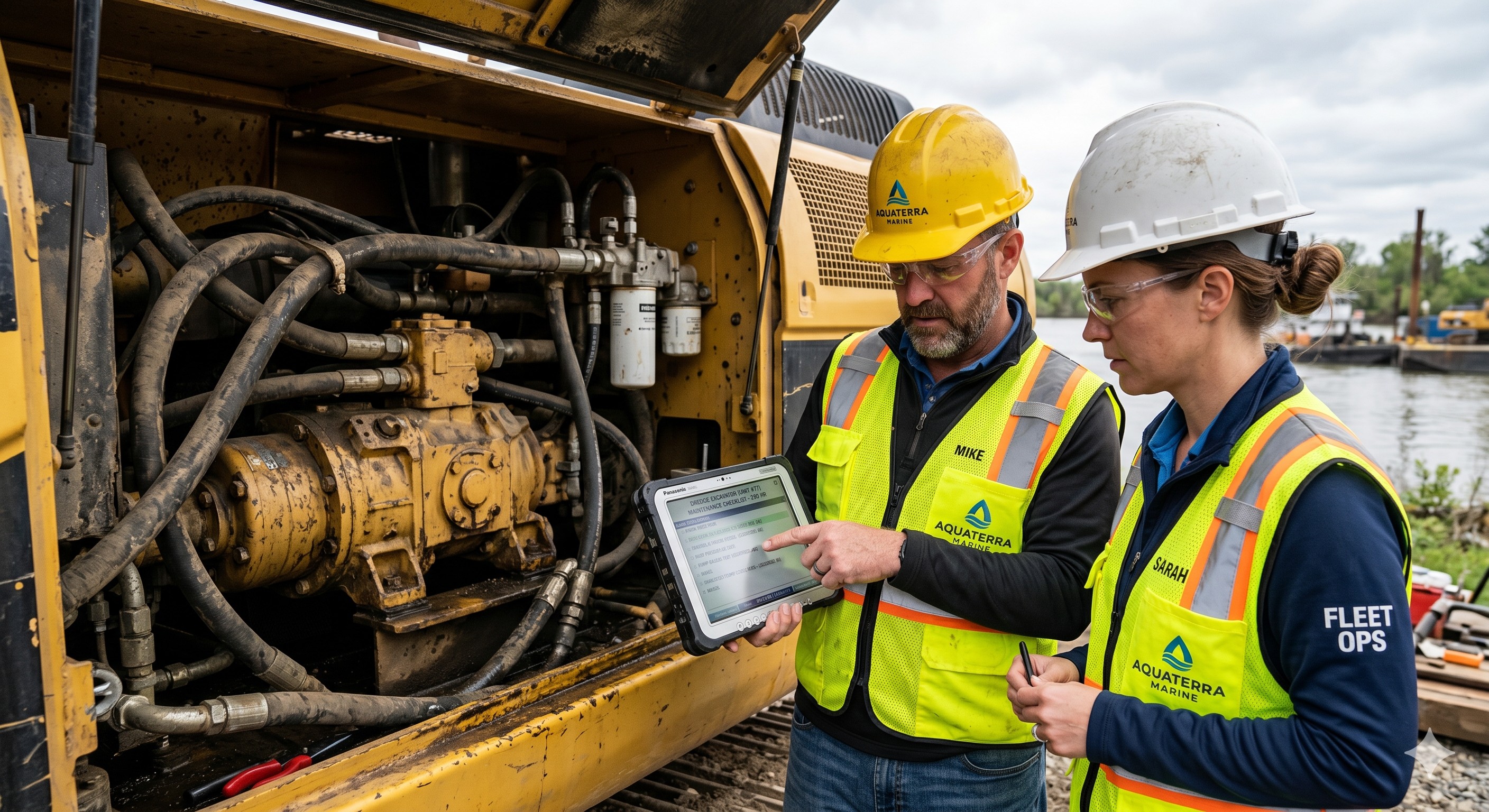
The standard maintenance interval for a river dredging excavator is every 250 operating hours or monthly for filter and fluid checks, with a full service every 1,000 hours. This includes engine oil changes, fuel filter replacement, and track tension inspection. For heavy silt conditions, reduce hydraulic filter changes to every 150 hours to prevent contamination.
Q2: What is the maximum payload capacity of a typical river dredging excavator?
The maximum payload capacity of a standard river dredging excavator ranges from 15 to 45 metric tons (33,000 to 99,000 lbs) depending on the undercarriage and boom configuration. Long-reach models (20-25m boom) typically derate payload to 12-18 tons to maintain stability. Always consult the machine's lift capacity chart before dredging operations.
Q3: Which engine emission standards apply to river dredging excavators for inland waterway projects?
Most river dredging excavators must comply with EPA Tier 4 Final or EU Stage V emission standards for engines above 56 kW (75 hp) when operating in regulated inland regions. However, some projects allow Tier 3 equivalents if the vessel is registered as marine equipment. Verify local jurisdiction requirements before procurement.
Q4: What hydraulic fluid replacement schedule is recommended for river dredging excavators?
The hydraulic fluid replacement interval for a river dredging excavator is every 2,000 operating hours or 12 months, whichever comes first, using ISO VG 46 high-viscosity oil with anti-wear additives. In high-sediment rivers, perform an oil analysis every 500 hours and replace immediately if water content exceeds 0.2% or ISO cleanliness code drops below 18/16/13. Standard tank capacity is 200-400 liters depending on model.
Q5: Are standard excavator attachments compatible with a river dredging excavator?
Yes, standard excavator attachments are compatible with a river dredging excavator only if they use a common pin-grabber or wedge coupler system (e.g., Cat Pin Grabber, Volvo S-Coupler, or Hyundai Quick Coupler). However, long-reach dredging arms require lightweight attachments (under 1.5 tons) to maintain stability. For dredging-specific tasks, use clamshell buckets or environmental dredging buckets with sealed rotating joints to prevent silt ingress.
Q6: Where can I source genuine spare parts for a river dredging excavator?
Genuine spare parts for a river dredging excavator are available through OEM dealer networks (Caterpillar, Hitachi, Kobelco, Volvo, Liebherr) and certified marine equipment distributors. For urgent replacements, aftermarket suppliers like ITR America or KMP Brands offer ISO 9001-certified components for undercarriage, hydraulic pumps, and slew rings. Always verify part numbers against the machine's serial number plate to avoid mismatched wear parts.
Q7: What is the typical hydraulic pump flow rate required for river dredging operations?
The typical hydraulic pump flow rate for a river dredging excavator is 180 to 300 L/min (47 to 79 GPM) at 3,000 PSI for 20-30 ton class machines. Long-reach dredging configurations require higher flow (280-350 L/min) to compensate for longer boom cylinders. Measure pump efficiency annually; a drop below 85% indicates worn piston shoes or valve plate scoring requiring immediate replacement.
Q8: How often should the swing bearing and slew ring be lubricated on a river dredging excavator?
The swing bearing (slew ring) on a river dredging excavator requires lubrication every 100 operating hours using NLGI Grade 2 lithium-based grease with extreme pressure (EP) additives. In submerged or splash-zone applications, lubricate every 50 hours and inspect seals for silt ingress. Use a remote greasing line system for safety when working near riverbanks.