

Overview
Yes, a medium excavator is generally powerful enough for site clearing, provided the machine's specifications match the project's scale. Modern medium excavators, often in the 7-14 ton class, are designed to balance heavyweight performance with the maneuverability needed on active sites. Featuring robust engines and advanced hydraulic systems, these machines can efficiently handle land clearing, aggressive digging, and a variety of high-performance attachments. However, for large-scale commercial clearing or heavy vegetation, a larger excavator (15+ tons) may be more efficient. This FAQ covers essential pre-sales and post-sales questions to help B2B procurement and fleet managers decide on the right equipment for their needs.
Frequently Asked Questions
Q1: What is the standard operating weight and engine power of a medium excavator used for site clearing?
The standard operating weight ranges from 19,000 to 25,000 lbs, with engine power around 72 horsepower. For example, CASE's new midi excavators feature a 72-hp engine with operating weights of 19,467 lb (8,830kg) and 20,305 lb (9,210kg). For a broader medium class (20-35 tons), the power and hydraulic systems are even more robust, enabling high-volume material movement. This power-to-weight ratio makes them ideal for projects requiring both significant digging force and the ability to operate in tighter spaces.
Q2: Can a medium excavator handle land clearing attachments like mulchers and brush cutters?
Yes, medium excavators are highly compatible with land-clearing attachments, featuring comprehensive hydraulic packages for seamless integration. Machines are equipped with standard auxiliary and quick coupler circuits, eliminating the need for aftermarket modifications to run hammers, rippers, augers, thumbs, and grapples. For vegetation management, attachments like the Drum Mulcher DC Pro X are specifically designed for 4.5 to 10 metric ton midi excavators, effectively clearing brush and trees. This compatibility allows operators to switch between digging and mulching rapidly, maximizing machine utilization.
Q3: What is the standard maintenance interval for a medium excavator, and what does it include?
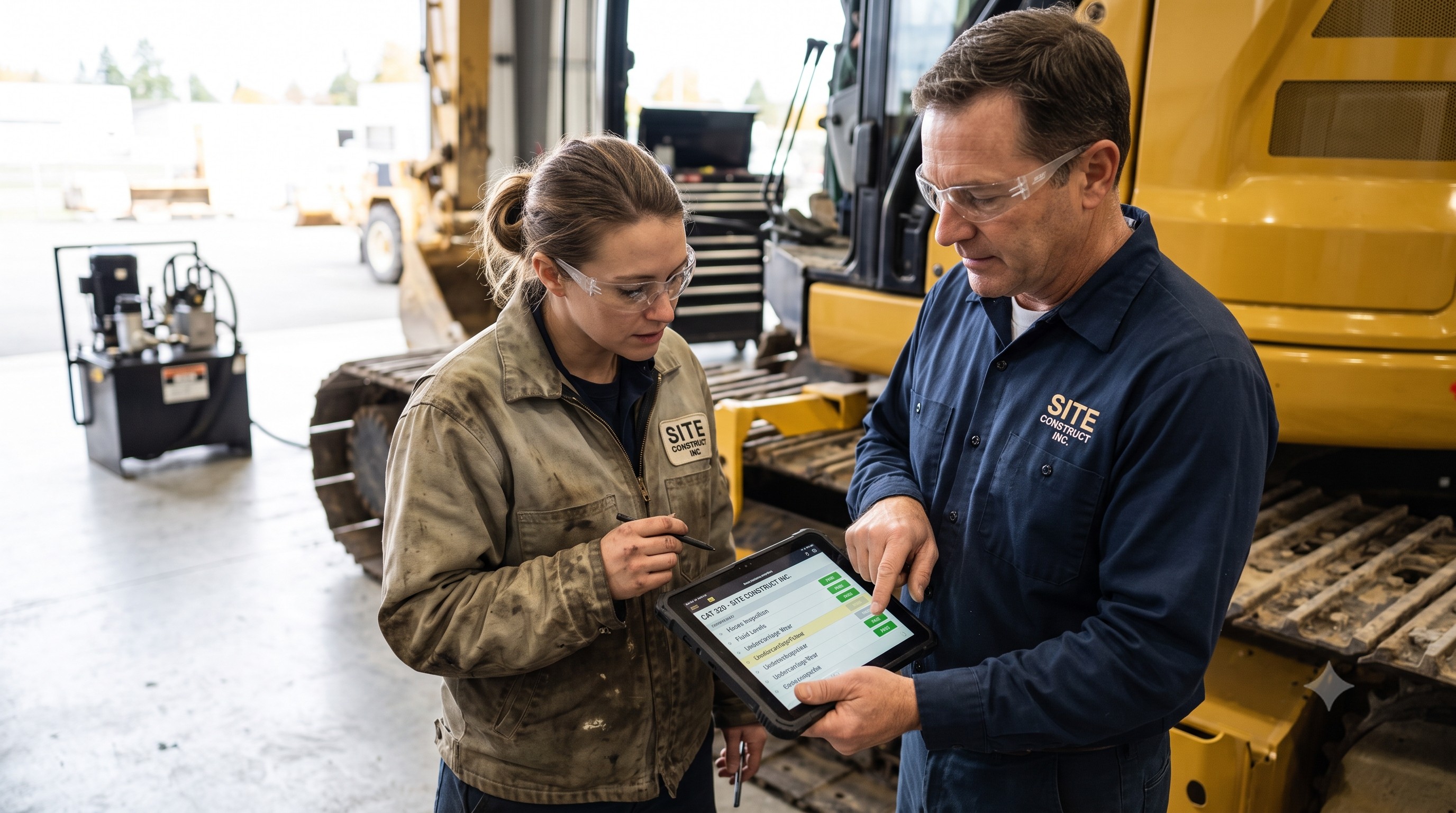
Standard maintenance should be performed according to the manufacturer's schedule, typically at 250-hour, 500-hour, and 1,000-hour intervals. These services include engine oil and filter changes, hydraulic oil checks, and greasing of pivot points. While exact schedules vary by model and workload, daily pre-operation inspections are crucial for identifying wear and tear early. Following a strict maintenance plan is essential for ensuring durability and preventing costly breakdowns.
Q4: How often should hydraulic fluid be replaced in a medium excavator?
Hydraulic fluid should generally be replaced every 1,000 to 2,000 operating hours, depending on the manufacturer's recommendations and operating conditions. This is a critical post-sales task to maintain the performance of the advanced hydraulic systems that power attachments and provide breakout force. Regular sampling and analysis of the hydraulic fluid can also help detect contamination or component wear before they lead to system failure.
Q5: What are the key advantages of choosing a medium excavator over a larger model for site clearing?
The key advantages are superior maneuverability, cost-efficiency, and ease of transport, without sacrificing significant power. Medium excavators can easily navigate tight spaces and confined work zones where larger excavators cannot fit. They consume less fuel, require less maintenance, and are easier to transport, often fitting on standard trailers, which reduces overall project costs and logistics complexity. They are ideal for small to mid-sized projects and offer a strong return on investment for contractors who prioritize versatility.
Q6: What type of engine emissions standards do new medium excavators comply with?
New medium excavators comply with the latest Tier 4 Final emission standards, utilizing advanced engine technology to reduce particulate matter. This is a key pre-sales specification for B2B buyers needing to meet environmental regulations on job sites. The robust 72-hp engines in models like the CX85E are designed to deliver ample power while maintaining fuel efficiency and meeting these stringent emission requirements.
Q7: What is the process for sourcing spare parts for a medium excavator?
Sourcing OEM (Original Equipment Manufacturer) spare parts is best done through an authorized dealer network, which guarantees compatibility and quality. B2B fleet managers should establish a relationship with a local dealer to access genuine parts and technical support. For non-critical components, some aftermarket options exist, but using OEM parts is highly recommended to maintain the machine's reliability, resale value, and warranty status.
Q8: What is the maximum lifting capacity or payload for a medium excavator?
The maximum lifting capacity varies by model but is sufficient for standard site clearing tasks, often ranging from 4,000 to 6,000 lbs at a specific radius and height. This is crucial for lifting pipes, boulders, and other heavy debris. Always consult the machine's load chart, as lift capacity decreases as the boom reaches further out. The machine's operating weight and hydraulic package are key factors in determining its lifting performance.