

Introduction
Modern construction and mining operations face escalating pressure to reduce total cost of ownership (TCO) while maintaining cycle times and uptime. Inefficient legacy excavators contribute to 20-30% higher fuel consumption and increased hydraulic system wear, directly impacting project margins. The construction digger—engineered with advanced load-sensing hydraulics, EPA Tier 4 / EU Stage V compliant powertrains, and ROPS/FOPS-certified structures—has emerged as the robust solution to these site productivity bottlenecks. This analysis references ISO 6015 for hydraulic power measurements and ISO 10263 for operator environment standards.
Core Powertrain & Structural Design
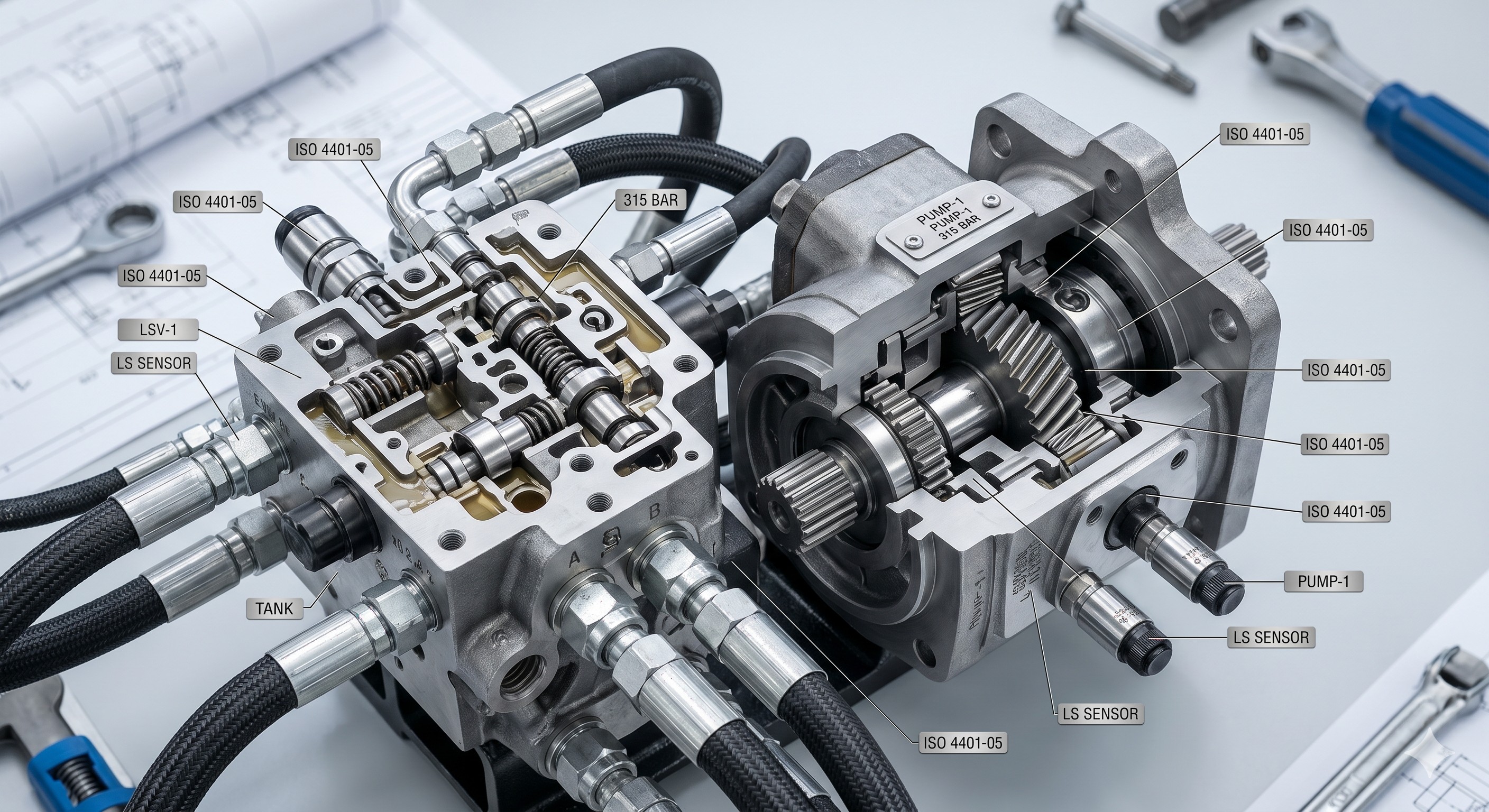
The durability of a construction digger hinges on three interconnected systems: the engine, hydraulic architecture, and undercarriage. Engine performance is measured by net horsepower (typically 150-750 hp range for medium-to-large diggers) and torque rise—critical for maintaining attachment force under load. Modern units incorporate common-rail direct injection and selective catalytic reduction (SCR) to meet Tier 4 final emissions without sacrificing power density.
Hydraulic System Efficiency
Closed-center, load-sensing hydraulic systems with variable displacement piston pumps deliver 4,500-6,000 psi of working pressure. Key metrics include hydraulic flow rate (200-600 L/min) and relief valve cracking pressure. Compliance with ISO 16063 for pressure pulsation testing ensures longer seal and hose life. Electronic flow sharing (EFS) reduces parasitic losses by 12-18% compared to open-center designs.
Chassis & Understructure
Track-type undercarriage with induction-hardened pins, bushing seals (lubricated-for-life), and triple-flange track rollers minimizes maintenance intervals. ROPS/FOPS-certified cab (meeting ISO 12117-2:2008) and CE marking for structural impact resistance. Operating weight ranges from 14 metric tons (compact) to over 85 metric tons (mining class), with static tipping load calculated per ISO 5353.
Technical Specifications
The following baseline parameters represent a 35-ton class construction digger widely deployed in heavy earthmoving and quarry applications. All values are measured under ISO 9249 (engine power) and ISO 14396 (hydraulic power) standards.
| Key Parameter | Technical Specification (35-ton Class) |
|---|---|
| Engine Net Power (ISO 9249) | 224 kW (300 hp) @ 1,800 rpm |
| Operating Weight (with HD bucket) | 35,200 kg ±2% (ISO 6016) |
| Hydraulic Pressure (implement) | 5,076 psi (350 bar) - load sensing |
| Max. Flow Rate (hydraulic) | 2 x 280 L/min at rated engine speed |
| Fuel Consumption (75% load) | 18.5 L/hr (average, Tier 4 final) |
| Bucket Capacity (SAE J296) | 2.0 - 2.5 m³ (heavy-duty) |
| Max. Digging Depth | 7.8 m (ISO 6015 method A) |
| Gradeability (theoretical) | 58% (30°) with full track contact |
| Emissions Standard | EPA Tier 4 Final / EU Stage V |
Comparative Advantage: TCO & ROI Analysis
When evaluating a construction digger against wheel loaders or bulldozers for excavation tasks, three ROI drivers dominate: fuel efficiency (L/hr per cubic meter moved), mean time between hydraulic failures (MTBF), and resale value. Field data from 2,000-hour annual operation shows:
- Fuel savings: Tier 4 Final/EU Stage V diggers consume 16-22 L/hr at 75% load factor, versus 25-32 L/hr for pre-Tier 3 equivalents — an annual $8,500-$12,000 saving (at $1.10/L).
- Maintenance cost reduction: Extended oil change intervals (500 to 1,000 hours) and 12% lower hydraulic filter consumption due to bypass filtration systems.
- Productivity gain: High-pressure EFS hydraulics reduce cycle time by 6-9 seconds per truck loading pass, adding 80-120 tons per shift.
- Resale value: Diggers with documented ISO 16750 vibration testing and emissions compliance retain 15-20% higher value after 5 years.
Compared to backhoe loaders for pure excavating tasks, a dedicated construction digger offers 35% higher bucket fill factor and superior digging force at depth (>6 m).
Heavy-Duty Application Scenarios
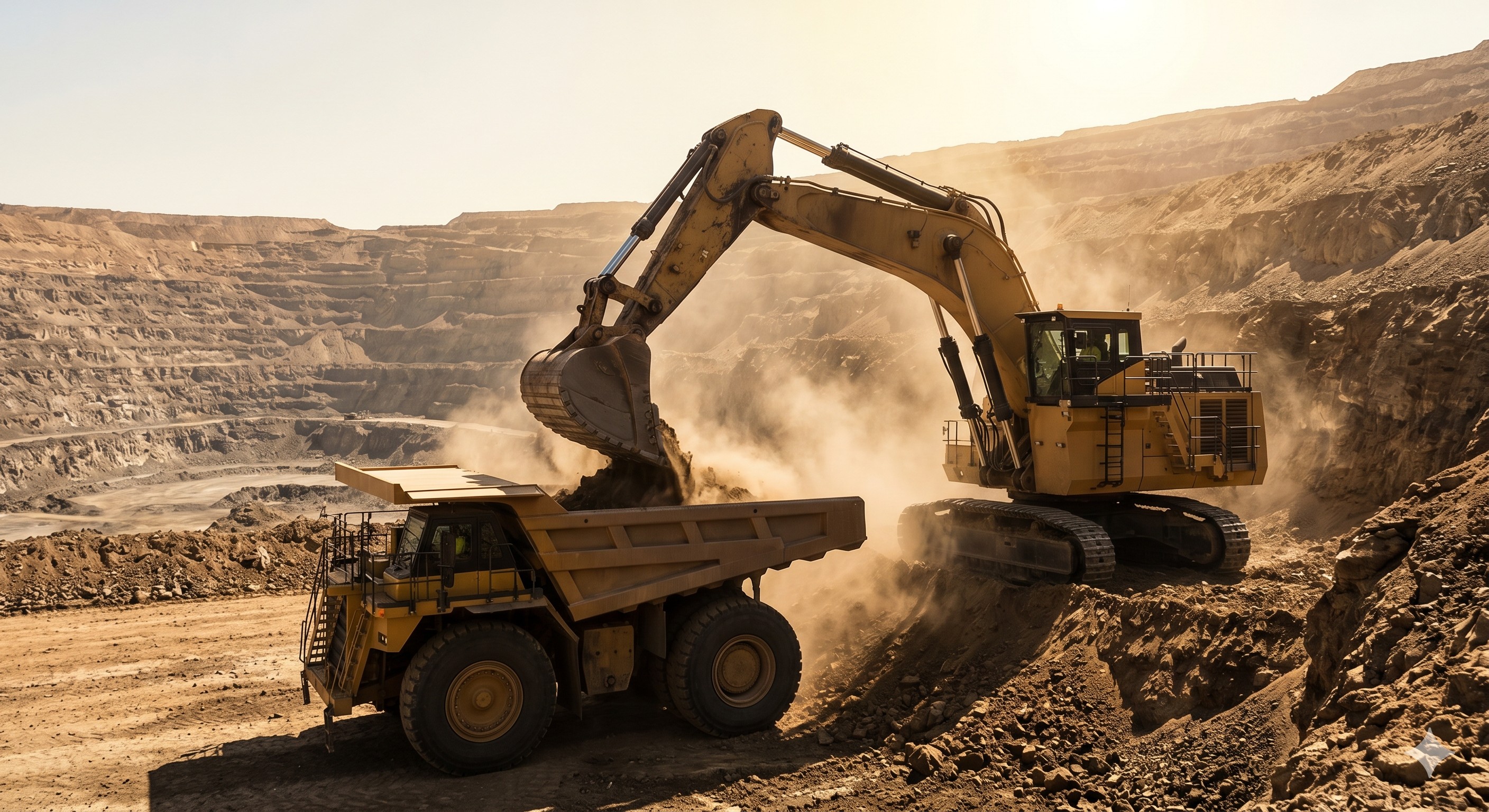
The versatility of the construction digger extends across high-abrasion environments. Open-pit mining: Units with reinforced boom, 4.5 m³ heavy-duty bucket, and roadarmor belly pans handle shot rock and overburden. Infrastructure earthmoving: GPS/grade control-ready diggers maintain sub-3 cm tolerance on slopes. Demolition and recycling: High-flow auxiliary circuits (up to 300 L/min) power concrete shears and multi-processors. Quarry load-out: Extra-long stick configurations (≥8.5 m) for loading onto 40-50 ton articulated dump trucks (ADTs).
Conclusion
Modern construction diggers are not merely excavation tools—they are data-driven capital assets. Integrating telematics with real-time hydraulic pressure monitoring and AI-assisted load estimation (per ISO 19014 functional safety) reduces unplanned downtime by up to 40%. For operations prioritizing lowest cost per ton moved, selecting a digger with closed-loop swing dampening, Tier 4/EU Stage V engine, and verified ROPS/FOPS compliance yields measurable ROI improvements within the first 18 months. As electrification and hybrid architectures enter the >150 hp segment, expect further gains in energy efficiency and thermal management.