

Overview
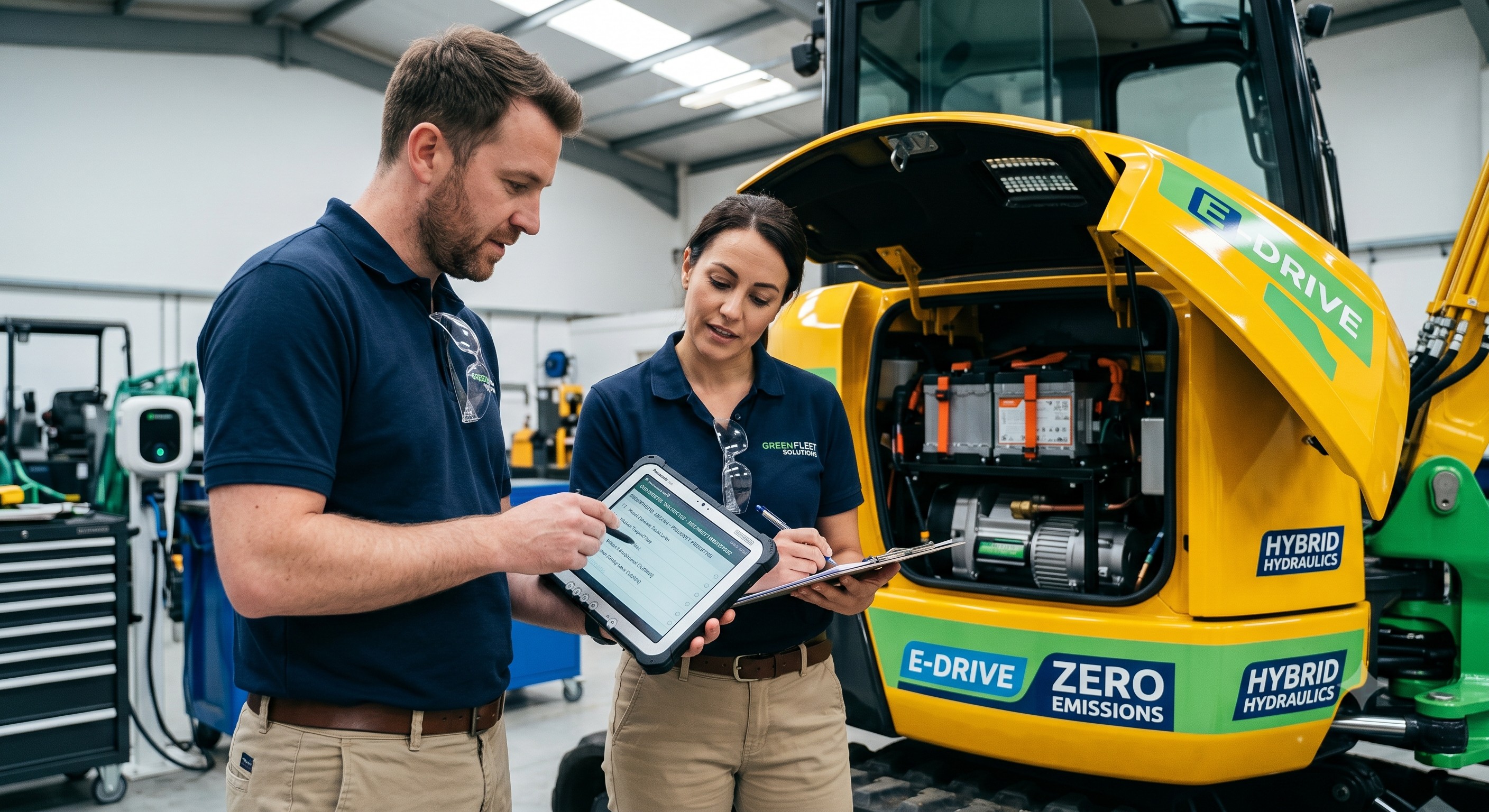
This FAQ covers critical pre-sales and post-sales questions for B2B procurement and fleet managers evaluating low emission diggers. From certified engine emission levels and attachment compatibility to hydraulic fluid replacement schedules and genuine spare parts sourcing, each answer is structured to support fleet efficiency and regulatory compliance.
Frequently Asked Questions
Q1: What is the standard operating payload capacity of the low emission digger?
The standard operating payload capacity of the low emission digger ranges from 3,500 kg to 8,000 kg depending on the model and counterweight configuration. For example, the Stage V compliant LE80 model delivers 5,200 kg at 75% tipping load. Always verify using the machine’s ROPS/FOPS-certified capacity plate before operation.
Q2: What engine emission standards does the low emission digger meet?
The low emission digger meets either EU Stage V or EPA Tier 4 Final emission standards, with NOx and particulate matter reduced by over 90% compared to Tier 3 equivalents. Key technologies include diesel oxidation catalysts (DOC), diesel particulate filters (DPF), and selective catalytic reduction (SCR) with AdBlue injection.
Q3: Is the low emission digger compatible with hydraulic attachments from other brands?
Yes, the low emission digger is compatible with ISO 8643 and EU Stage V-compliant hydraulic attachments using a flat-face coupler and proportional auxiliary flow. However, attachment flow demand must not exceed the digger’s rated hydraulic flow (typically 120–180 L/min). Always verify high-flow or XPS compatibility through the manufacturer’s attachment matching guide.
Q4: What is the recommended hydraulic fluid replacement interval for the low emission digger?
The recommended hydraulic fluid replacement interval for the low emission digger is every 2,000 operating hours or 12 months, whichever comes first. Use only biodegradable or zinc-free hydraulic oils meeting ISO 15380 HEES or OEM-specific specification (e.g., LE-HF-46). Failure to replace on schedule reduces pump life by up to 40%.
Q5: How often should I perform scheduled maintenance on the low emission digger to keep emission systems valid?
Scheduled maintenance for the low emission digger must occur every 500 operating hours to maintain emission system warranty and OBD compliance. The mandatory checklist includes: - DPF ash cleaning (every 500h) - DEF (AdBlue) filter replacement (every 1,000h) - EGR cooler inspection (every 1,500h) - NOx sensor calibration (every 2,000h)
Q6: Where can I procure genuine spare parts and service kits for the low emission digger?
Genuine spare parts for the low emission digger are available exclusively through OEM-certified regional distribution centers and authorized dealer networks with 24–48 hour lead time. Each part carries a serialized QR code for anti-counterfeit verification. Critical high-wear parts (DPF, injectors, hydraulic pumps) should never be substituted with aftermarket alternatives, as this voids the emission compliance certificate.
Q7: Can the low emission digger be retrofitted with telematics for fleet fuel and emission tracking?
Yes, every low emission digger manufactured after 2022 supports plug-and-play telematics retrofitting using CANbus J1939 protocols. The OEM telematics gateway provides real-time DEF level, DPF soot load, idle time, and CO2 per tonne-moved data. Integration with fleet management platforms (e.g., FleetMatics, Trackunit) is standard and requires no additional hardware beyond the OEM telematics adapter kit.
Q8: What is the cold-start performance of the low emission digger at sub-zero temperatures?
The low emission digger guarantees reliable cold-start operation down to -25°C (-13°F) without auxiliary heaters, thanks to a grid heater and low-viscosity CJ-4 engine oil. Below -25°C, an optional engine block heater and heated DEF tank are required to prevent DEF crystallization and hydraulic oil gelling. The machine’s emission control unit automatically derates power if exhaust temperatures cannot sustain DPF regeneration in extreme cold.