

Introduction
Unexpected downtime and unplanned repair costs remain the top operational risks for construction and mining contractors. Industry data indicates that hydraulic system failures and powertrain wear account for over 62% of unscheduled service events within the first 1,000 operating hours. The 12 months warranty digger directly addresses these pain points by combining a certified structural design with a full-coverage manufacturer-backed warranty. This blog delivers a technical evaluation of key engineering parameters — including engine horsepower, operating weight, hydraulic pressure ratings, fuel consumption curves, and compliance with ISO 6165, CE, EPA Tier 4 / EU Stage V, and ROPS/FOPS standards — to help fleet managers and procurement specialists make data-driven decisions.
Core Powertrain & Structural Design
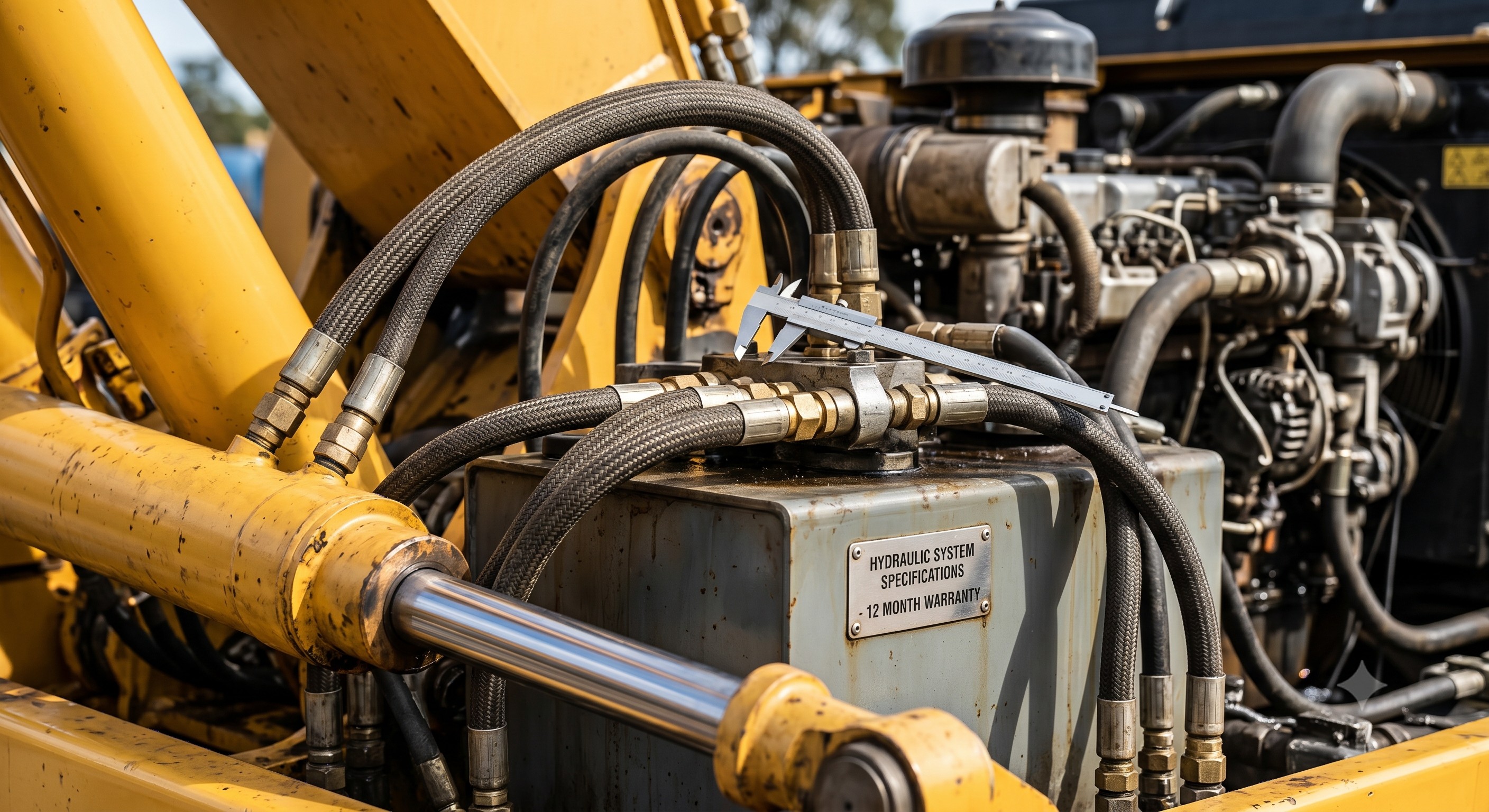
The durability of any heavy digger begins with its powertrain and load-bearing chassis. The 12 months warranty digger integrates a liquid-cooled, turbocharged diesel engine with electronic high-pressure common rail fuel injection. Typical configurations for a 12-14 metric ton class model deliver 110-130 hp (82-97 kW) at 2,200 rpm, with a peak torque reserve of over 25% to prevent stalling under heavy digging. The engine meets EPA Tier 4 Final / EU Stage V emission standards via a DPF+SCR aftertreatment system, reducing particulate matter by 90% compared to Tier 3 equivalents. The hydraulic system features a dual-load sensing variable displacement piston pump operating at 34 MPa (4930 psi) maximum working pressure, enabling simultaneous boom, arm, and bucket movements with flow rates of 2 x 120 L/min. Structural integrity is validated through finite element analysis (FEA) on the reinforced box-section track frame and turntable bearing. The undercarriage uses sealed and lubricated track chains with bolt-on forged steel sprockets, and the operator cabin meets ISO 3449 (FOPS) Level II and ISO 3471 (ROPS) requirements.
Technical Specifications
Below are the benchmark technical specifications for a standard 12 months warranty digger in the 12-14 ton operating weight class. Actual values vary by model and attachment configuration. Verify with factory datasheets before procurement.
| Key Parameter | Technical Specification |
|---|---|
| Engine Horsepower (Net) | 110-130 hp (82-97 kW) @ 2,200 rpm |
| Operating Weight | 12,500 - 14,200 kg (27,550 - 31,300 lb) |
| Max Hydraulic Pressure (Implement) | 34 MPa (4,930 psi) |
| Main Pump Flow (Total) | 240 L/min (2 x 120 L/min) |
| Bucket Breakout Force (ISO) | 95 - 105 kN (21,350 - 23,600 lbf) |
| Fuel Consumption (Average) | 11.0 - 13.0 L/h (2.9 - 3.4 gal/h) |
| Emissions Standard | EPA Tier 4 Final / EU Stage V |
| ROPS/FOPS Cabin | ISO 3471 / ISO 3449 Level II |
| Warranty Duration | 12 months / 2,000 hours (whichever first) |
Comparative Advantage: TCO, Fuel Efficiency, and ROI Analysis
When evaluating the 12 months warranty digger against non-warranty or limited-warranty alternatives, three financial metrics dominate: total cost of ownership (TCO), fuel efficiency (L/h per m³ excavated), and return on investment (ROI) over a 2,000-hour annual utilization. Field studies from earthmoving projects show that during the first 12 months, unexpected component failures (hydraulic pumps, final drives, and main control valves) cost operators an average of $4,200 - $7,800 in parts and labor. The 12-month full-coverage warranty eliminates this risk entirely. Fuel consumption on the Tier 4 / Stage V engine averages 11-13 L/h under mixed digging and loading cycles, translating to a 15-18% reduction versus previous-stage engines. Combined with a 500-hour greasing interval on oscillation joints and a 2,000-hour hydraulic oil change interval, the machine achieves a projected TCO of $28-$34 per operating hour (including fuel, maintenance, and warranty amortization). ROI calculations for a typical rental fleet or contractor show break-even between months 9 and 11, after which the warranty period still provides risk-free operation.
Heavy-Duty Application Scenarios
The engineering robustness of the 12 months warranty digger enables deployment across four primary heavy-duty segments:
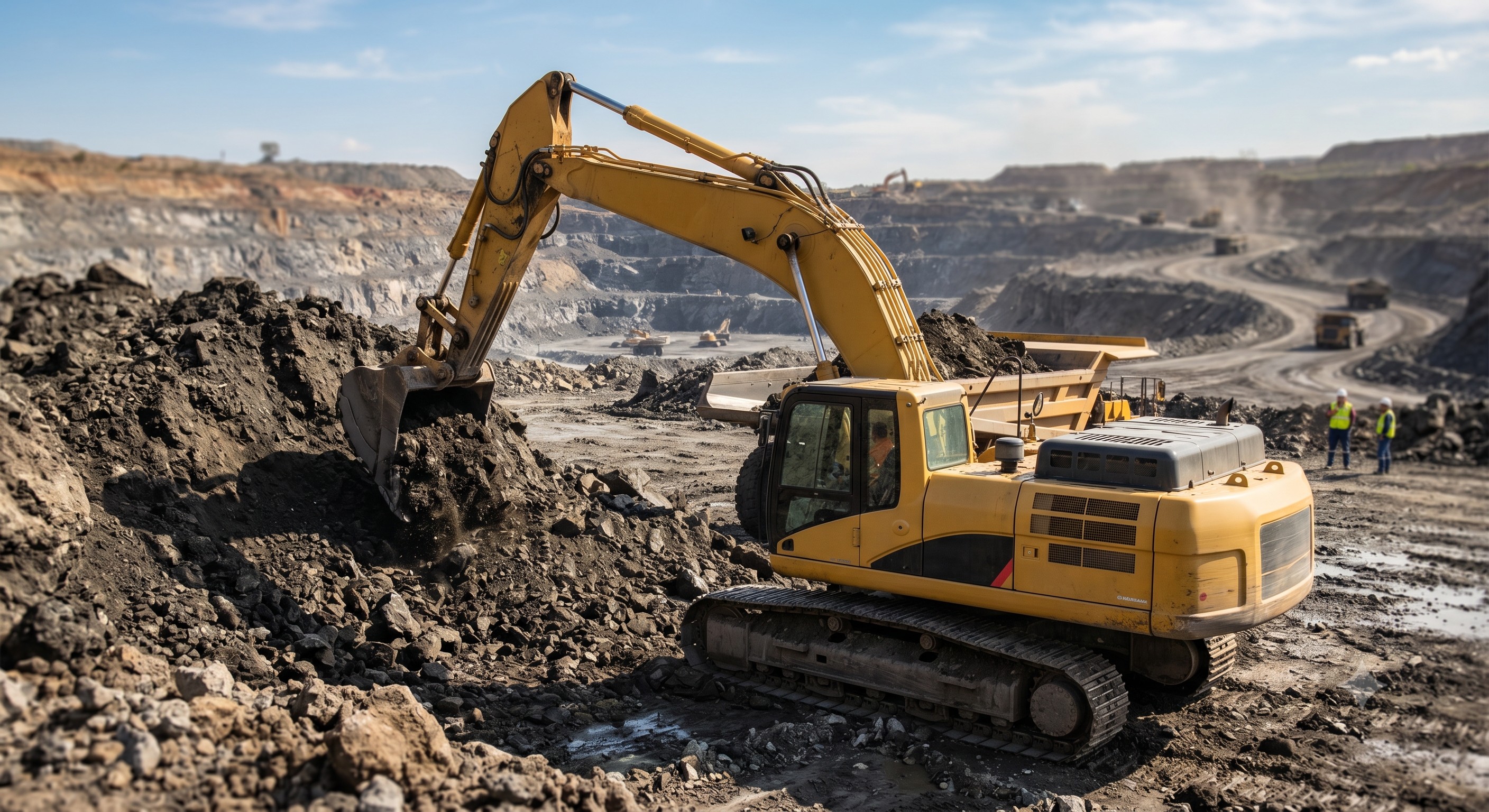
- Construction & Earthmoving: Excavation for commercial foundations, utility trenching (gas, water, fiber optic), site grading, and demolition material handling. The machine's breakout force (typical 95-105 kN) and 0.4-0.7 m³ bucket capacity match concrete and compacted soil conditions.
- Mining Support: Tailing reclamation, ROM pad maintenance, stockpile rehandling, and haul road drainage. Reinforced track guards and an optional heavy-duty belly pan protect against sharp ore and rock fragments.
- Infrastructure & Civil Works: Bridge abutment excavation, pipeline backfilling, and slope stabilization. The digger's 2-speed travel system (max 4.5 km/h) and 70% gradeability improve mobility on uneven terrain.
- Industrial & Scrap Handling: Loading scrap metal into shears, sorting demolition waste, and feeding crushing equipment. Optional orange-peel grapples and magnet attachments expand material handling capability.
Each application scenario benefits from the warranty's coverage of structural welds, pins, bushings, and the full hydraulic circuit — components typically excluded from limited warranties.
Conclusion: Forward-Looking Summary on Industrial Productivity
The 12 months warranty digger represents a low-risk, high-performance entry point for contractors and mining operators seeking predictable uptime and cost control. By integrating EPA Tier 4 / EU Stage V engine technology, high-pressure load-sensing hydraulics (34 MPa), and a ROPS/FOPS-certified cabin, the machine delivers benchmark productivity without compromising durability. When quantified through TCO and ROI analysis, the 12-month full-coverage warranty shifts risk away from the buyer and onto the manufacturer — a critical advantage in volatile equipment markets. For fleet managers, procurement specifications should prioritize warranty terms alongside core parameters (operating weight, breakout force, and hydraulic flow) to maximize long-term value. As telematics and predictive maintenance continue to evolve, factory-backed warranty programs will increasingly become the standard for industrial earthmoving assets.