WELCOME TO OUR BLOG

We're sharing knowledge in the areas which fascinate us the most
click

Rice Transplanters: Stop Bending Over All Day and Get More Rice in Less Time

By globalmachex April 13th, 2026 8 views

Quick Intro – Why Hand Planting Is a Thing of the Past


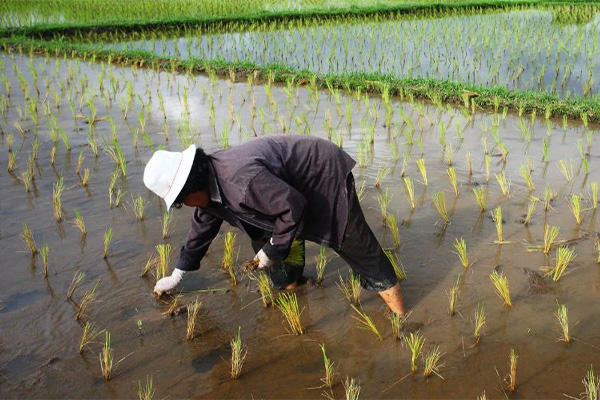
For generations, farmers planted rice by hand because there was no choice. You bend over, poke a seedling in the mud, take a step, repeat. Your back hurts, your knees hurt, and by the end of the day you’ve covered maybe a tiny fraction of what needs to be done.

But today, labor is expensive and hard to find. Young people don’t want to spend weeks bent over in a paddy. And when you do find workers, they don’t all plant at the same depth or spacing. Some go too deep, some too shallow. Some miss spots. That means uneven growth, lower yields, and more weeds.

A rice transplanter fixes all of that. It’s not just a luxury for big farms. Even smallholders can get a walkbehind model and cut their planting time by more than half. The machine does the repetitive work, and you do the steering. Your back will thank you.

Answering the Main Question


What a Rice Transplanter Actually Does

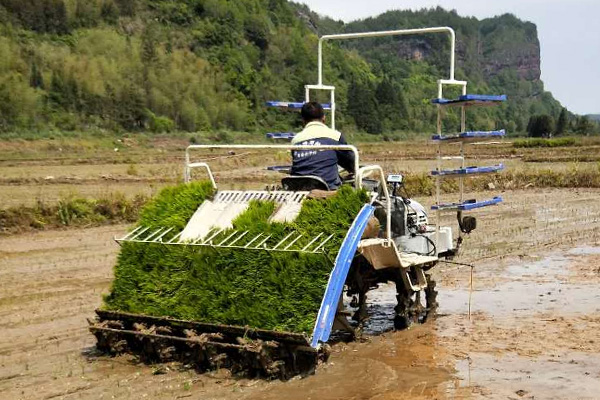
A rice transplanter takes young seedlings from a tray and pushes them into the wet soil at a consistent depth and spacing. You don’t need to bend down or guess where the next plant goes. The machine handles the whole process – picking, carrying, and planting.

The main parts that make it work:

  • Seedling tray – holds the nursery mats.
  • Pickup unit – gently pulls out individual seedlings.
  • Conveyor system – moves them to the planting mechanism.
  • Planting claws – push each seedling into the mud.
  • Engine & wheels – drive the machine through the paddy.

Newer models even have GPS and automatic steering to keep rows perfectly straight, even if you’re tired.

Why It’s So Much Faster

A walk-behind transplanter moves at about 0.5 km/h and plants roughly 0.02 hectares per hour. A riding model goes around 2.3 km/h and can plant up to 0.22 hectares per hour. That means in one hour, a riding machine can cover what a person would take several days to finish by hand.

But speed isn’t the only thing. The machine also plants every seedling at the same depth (usually 3-5 cm) and the same spacing (25-30 cm between rows). That uniform spacing means each plant gets the same amount of sunlight, water, and nutrients. They grow at the same rate, mature together, and yield more grain.

The Hidden Benefits You Might Not Think About

  • Higher yield – Studies show machine-planted rice can produce about 26% more grain compared to random hand planting. The reason: no missing hills, no overcrowding, no seedlings floating away.
  • Less water and fuel – Because the field is planted faster and more evenly, you can manage water more efficiently. Some studies show up to 15-20% less water use.
  • Healthier soil – The machine doesn’t trample the field as much as a crew of workers walking back and forth. Less compaction means better root growth.
  • Earlier harvest – With uniform planting, the crop matures at the same time, sometimes 15 days earlier. That can be critical for double-cropping.

Walk-Behind vs. Riding – Which One Do You Need?

Walk-behind models are smaller, cheaper, and work well for fields under one hectare. You walk behind the machine, guiding it. You’ll still cover a lot of ground, but your back won’t hurt because you’re not bending. These are great for small farms or irregular-shaped plots.

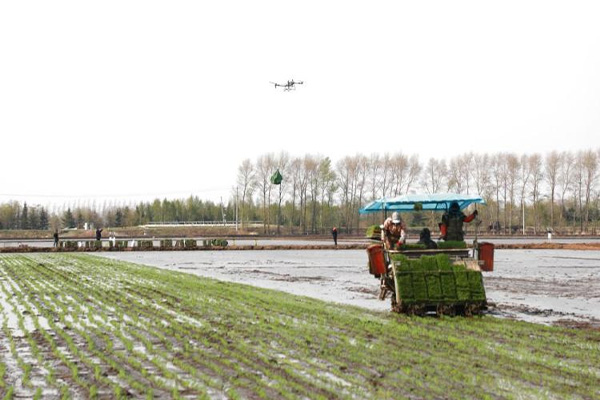
Riding models are bigger, faster, and far more comfortable. You sit on a seat and drive like a small tractor. They’re ideal for large, flat fields where speed and efficiency matter. They also have wider seedling trays so you make fewer trips back to reload.

Key difference to remember: A walk-behind operator might walk 22 kilometers in a day. A riding operator just sits and steers. That’s a huge difference in fatigue.

How to Actually Use a Rice Transplanter (And Get It Right)


Step One: Get Your Seedlings Ready

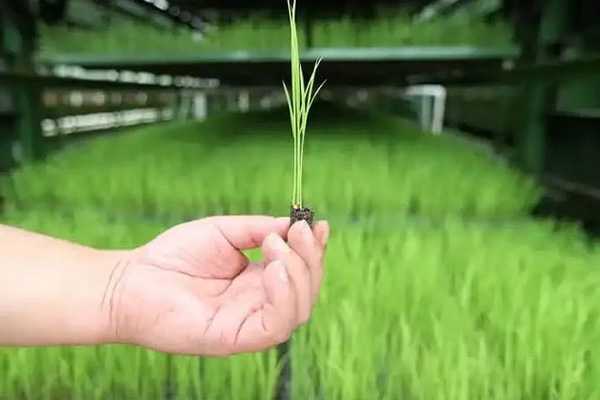
The machine won’t work with random clumps of seedlings. You need to grow them in special nursery trays. The best age is 25 to 35 days – not too young, not too old. The roots should be well-developed but not tangled. Keep the seedlings healthy and free from disease.

Step Two: Prepare the Field

Till the field until it’s smooth and level. Standing water should be about 2-4 cm deep – enough to let the machine float but not so deep that the seedlings wash away. Remove big rocks and debris. A smooth field means fewer skips and better planting.

Step Three: Set Up the Machine

Adjust the planting depth (usually 3-5 cm). Set the row spacing (25-30 cm). Check the tire pressure and add grease to moving parts. If your machine has a hydraulic lift, test it. Make sure the seedling trays are clean and dry.

Step Four: Start Planting

Load the trays onto the machine. Start at the edge of the field, lower the planting unit, and engage the drive. Walk or ride along the field. Keep an eye on the seedling trays – reload before they run empty. If you see a gap, stop and fix it immediately.

Step Five: After Planting Care

The machine doesn’t do everything. After transplanting, you still need to manage water levels, control weeds, and apply fertilizer. But because the rows are straight, you can use a mechanical weeder or even a small tractor to get between rows – something impossible with random hand planting.

Step Six: Clean and Store the Machine

Mud and plant debris will stick to the planting claws and conveyor. Clean them after every use. Oil the moving parts. Store the machine under cover to prevent rust. A well-maintained transplanter can last 10+ years.

Summary


Here’s the short version for when you’re trying to decide whether to buy a rice transplanter:

  • A rice transplanter automates the planting process – it picks, carries, and pushes seedlings into the mud.
  • It’s dramatically faster: 260 hours per hectare vs. 2,000 hours by hand.
  • Uniform spacing and depth mean healthier plants, up to 26% higher yields, and earlier harvest.
  • Walk-behind models are cheap and good for small fields. Riding models are fast and comfortable for large farms.
  • You need to prepare nursery seedlings, level the field, and maintain the machine.
  • After planting, you still need to manage water, weeds, and fertilizer – but the straight rows make it much easier.
  • If you’re tired of back pain and slow planting, a rice transplanter is one of the best investments you can make.

Frequently Asked Questions

Q: Can I use a rice transplanter on any size field?

A: Yes. Walk-behind models work on very small, odd-shaped fields. Riding models need larger, flatter fields to be efficient.


Q: How much does a rice transplanter cost?

A: Prices vary widely. Walk-behind units start around $1,500-$3,000. Riding models can be $10,000-$25,000 or more. Some governments offer subsidies.

Q: Do I need special seedlings?

A: Yes. You need to grow seedlings in nursery trays for about 25-35 days. Random clumps won’t work.

Q: How deep should the water be during transplanting?

A: About 2-4 cm. Too deep and the seedlings float away. Too shallow and the machine struggles to move.

Q: What’s the most common mistake new users make?

A: Not preparing the field well. Rocks, bumps, and uneven ground cause skips and bent planting claws. Level the field first.

Q: Can a rice transplanter work in heavy clay soil?

A: Yes, but you need a model with strong wheels and good torque. Some cheaper walk-behind machines may struggle in very sticky mud.

Wheel Hoe Hiller: The Gardening Tool That Does the Hard Work for You
Previous
Wheel Hoe Hiller: The Gardening Tool That Does the Hard Work for You
Read More