WELCOME TO OUR BLOG

We're sharing knowledge in the areas which fascinate us the most
click

Wheel Hoe Hiller: The Gardening Tool That Does the Hard Work for You

By globalmachex April 8th, 2026 5 views

Quick Intro—Why Hilling Is a Chore You Can't Skip


Gardening is full of tasks you'd rather not do. Weeding, watering, mulching—it all takes time. But hilling? That's one of those jobs that people either forget about or put off until it's too late.

Here's why it matters. When you mound soil up around the base of a plant, you're burying tiny weeds that haven't had a chance to grow tall yet. Without sunlight, they die. That means less competition for water and nutrients. Your plants get bigger, healthier, and more productive.

Also, plants like corn and tomatoes get top-heavy. A good mound of soil around the base gives them a stronger anchor. When that summer thunderstorm rolls through, they're less likely to end up lying on the ground.

And then there's moisture. Loose soil on top of the ground acts like a blanket. It slows down evaporation, so the water you put in stays where it belongs—around your plants' roots.

The problem is, doing all that by hand with a regular hoe is back-breaking work. A wheel hoe hiller changes that.

Answering the Main Question


What a Hiller Actually Is

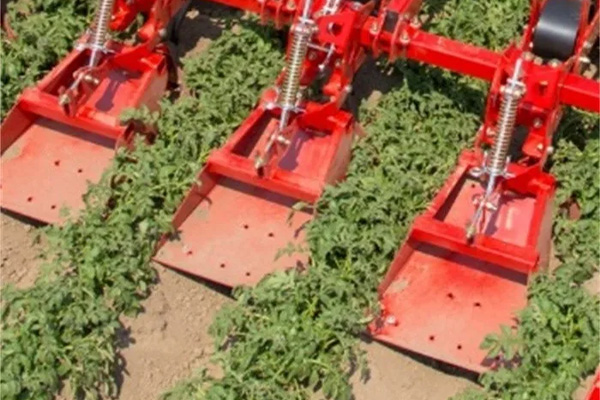
A hiller is an attachment for a wheel hoe. It looks like a small plow, shaped to scoop soil from the path and push it up onto the row .

You can get right-hand and left-hand versions. With a single-wheel hoe, you go down one side of the row, turn around, and come back up the other side. With a double-wheel or high-arch wheel hoe, you can mount both blades at once and straddle the row, hilling both sides in one pass .

What Hilling Does for Your Garden

Kills weeds without chemicals. When you pull soil up over the small weeds, you bury them. No light, no growth. They die. It's that simple .

Supports tall plants. Corn, tomatoes, even potatoes benefit from having extra soil around their bases. The plant doesn't wobble as much in the wind, and it can put down more roots from the buried stem .

Holds moisture. That mound of loose soil acts like a mulch. It breaks up the crust on top of the ground and slows down evaporation. Your plants go longer between waterings .

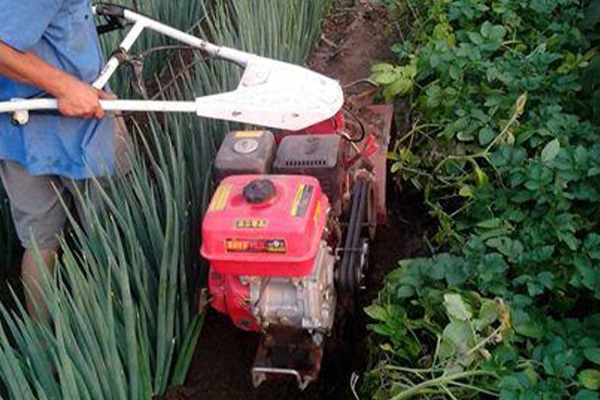
Saves your back. This is the big one. You're not bent over pulling soil with a hoe. You're walking upright, pushing a wheeled tool. It's not zero effort, but it's a fraction of what you'd put in with a hand tool .

How Fast Is It?

If you've ever hilled a long row by hand with a garden hoe, you know it takes forever. A wheel hoe hiller is significantly faster. You can do a hundred-foot row in a few minutes instead of half an hour .

The wheel does the heavy lifting. You just guide it. And because you're not stopping to rest your back every ten feet, the work keeps moving.

How to Actually Use a Hiller


Step One: Start at the Beginning of the Row

Don't jump in halfway. Start at one end and work your way down. This keeps you from missing spots and having to backtrack.

Step Two: Position the Blade

The hilling plow is dished—curved like a shallow bowl. That curve is what moves soil sideways . Make sure the open side of the curve is facing toward your row. If it's backward, you'll be pulling soil away instead of piling it up.

Step Three: Push, Don't Dig

Set the blade into the soil, but don't go too deep on the first pass. You're not trenching. You're skimming and pushing. If you dig too deep, you'll bog down and wear yourself out .

Start shallow. You can always make a second pass to add more soil.

Step Four: Go to the End and Turn Around

Push the wheel hoe all the way to the end of the row. Turn around. If you're using a single blade, you'll come back on the other side of the row. If you have two blades mounted, you're already done.

Step Five: Repeat as Needed

One pass might not give you as much soil as you want. That's fine. Make a second pass. Or a third. It's faster to do two shallow passes than one deep, straining pass .

Step Six: Steal Soil From the Middle

If your rows are wide enough, you can plow some dirt from the center of the path toward your crops . That adds to the mound without taking soil from the other side.

How Often Should You Hill?

During the growing season, once or twice a month is usually enough . Watch your plants. When you see weeds starting to peek through, it's time to hill. Don't wait until they're big—bury them while they're small.

Also, keep an eye out for large weeds that the hiller won't cover. Pull those by hand. The hiller is for small stuff. Big weeds need to come out before you hill, or they'll just get buried and keep growing.

Summary


Here's the short version for when you're standing in the garden with a wheel hoe wondering where to start:

  • A hiller is a plow-shaped attachment that moves soil onto your rows.
  • It buries small weeds, supports tall plants, and holds moisture in the soil.
  • It's way faster than using a regular garden hoe.
  • It saves your back because you're walking upright, not bent over.
  • Start shallow. Make multiple passes if you need more soil.
  • Position the blade so the dish faces your row.
  • Hill once or twice a month during the growing season.
  • Pull big weeds by hand before you hill.

A wheel hoe hiller won't do all your gardening for you. But it will take the worst chore—hilling—and make it something you can get done without hurting yourself. And that's a win.

Frequently Asked Questions

Q: Can I use a hiller on any wheel hoe?

A: Most wheel hoes accept hiller attachments, but check your brand. Some need adapters. There are universal attachments available .

Q: Do I need both right and left hillers?

A: For a single-wheel hoe, you can use one and just go down both sides. For a double-wheel or high-arch hoe, two blades let you hill both sides in one pass .

Q: How deep should I set the hiller blade?

A: Start shallow—maybe an inch or two. You can always make another pass. Going too deep on the first pass is hard on you and the tool .

Q: What's the best time of day to hill?

A: Morning, when the soil is slightly moist but not wet. Dry soil is harder to move. Wet soil clumps and sticks to the blade .

Q: Can a hiller damage plant roots?

A: If you're hilling while plants are small, be careful not to bury the growing point. For established plants like corn or potatoes, hilling actually encourages more root growth .

Q: How do I clean the hiller blade?

A: Knock off dried dirt after each use. If soil sticks, a wire brush or putty knife works fine. Keep it clean so it cuts smoothly next time .

Farm Equipment on Rural Roads: How to Not Get Rear-Ended or Wreck Your Tractor
Previous
Farm Equipment on Rural Roads: How to Not Get Rear-Ended or Wreck Your Tractor
Read More