

Overview
A semi trailer with wind skirt is a commercial trailer equipped with aerodynamic panels along the lower sides of its body. These panels, commonly called trailer side skirts or aerodynamic skirts, help control airflow beneath the trailer and reduce turbulence around the wheels and underbody. Their primary purpose is to reduce aerodynamic drag, particularly during highway operation.
For fleet managers and procurement teams, selecting a suitable wind skirt involves more than comparing panel prices. Trailer compatibility, ground clearance, material durability, installation quality, regulatory requirements, and maintenance costs all affect long-term performance. The following FAQs address the main technical and commercial considerations.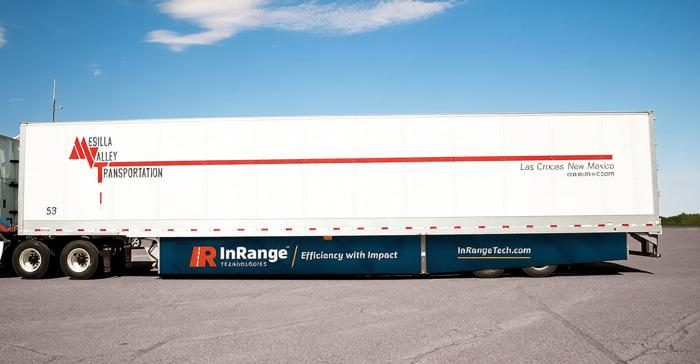
Frequently Asked Questions
Q1: What is a wind skirt on a semi trailer?
A wind skirt is an aerodynamic panel installed along the lower side of a semi trailer to reduce airflow turbulence beneath the trailer. It helps guide air around the trailer's underbody and wheel area, potentially reducing aerodynamic drag during highway travel.
Wind skirts are commonly manufactured from lightweight composite materials, reinforced plastics, or other impact-resistant materials. Their design, length, height, and mounting position vary according to trailer configuration and manufacturer specifications.
Q2: How much fuel can a semi trailer wind skirt save?
A semi trailer wind skirt can reduce fuel consumption by lowering aerodynamic drag, but the actual savings depend on speed, route, trailer design, vehicle configuration, and operating conditions. Benefits are generally more noticeable during sustained highway driving than during low-speed urban operation.
Fleet operators should evaluate performance using controlled fuel-consumption comparisons under similar conditions. Important variables include:
-
Average highway speed and driving profile
-
Tractor aerodynamics and trailer configuration
-
Wind conditions and vehicle loading
-
Skirt design, installation, and condition
Do not treat a manufacturer's advertised fuel-saving percentage as a guaranteed fleet result.
Q3: What materials are used to manufacture semi trailer wind skirts?
Semi trailer wind skirts are commonly made from engineered plastics, fiberglass composites, aluminum, or other lightweight materials designed for commercial vehicle use. The best material depends on impact resistance, weight, environmental exposure, repair requirements, and purchase cost.
Common material considerations include:
-
Reinforced plastic: Lightweight and suitable for molded aerodynamic panels.
-
Fiberglass composite: Offers a balance of rigidity and design flexibility.
-
Aluminum: Provides a durable metal construction but may require attention to corrosion and impact damage.
Buyers should compare material specifications, mounting strength, repair options, and expected operating conditions rather than choosing solely by weight.
Q4: Can wind skirts be installed on any semi trailer?
Wind skirts can be installed on many semi trailers, but compatibility depends on chassis dimensions, underbody components, suspension layout, and available mounting locations. A skirt designed for one trailer model may not fit another without modification.
Before ordering, confirm:
-
Trailer length and side-frame dimensions
-
Axle and suspension positions
-
Landing gear and support-leg clearance
-
Tire and wheel movement clearance
-
Existing side guards, toolboxes, and other accessories
-
Mounting brackets and fastening requirements
Use a manufacturer-approved installation design to avoid interference with structural components or required safety equipment.
Q5: Do semi trailer wind skirts affect ground clearance and loading operations?
Yes, wind skirts can reduce available side clearance and may affect operation on uneven roads, ramps, loading areas, and sites with steep approach angles. Their position must be checked against the trailer's normal operating environment.
Procurement teams should consider:
-
Ground clearance when the trailer is loaded and unloaded
-
Clearance around landing gear and suspension components
-
Access to underbody inspection and maintenance points
-
Potential contact with curbs, ramps, and road obstacles
The skirt should not obstruct required vehicle components or create an unsafe condition during normal operation.
Q6: How should semi trailer wind skirts be inspected and maintained?
Semi trailer wind skirts should be inspected regularly for cracks, loose fasteners, damaged brackets, deformation, and missing panels. Maintenance frequency should follow the trailer manufacturer's recommendations and the fleet's operating conditions.
A practical inspection should include:
-
Checking panel surfaces for cracks and impact damage
-
Confirming mounting brackets and fasteners remain secure
-
Inspecting edges and joints for excessive wear
-
Checking clearance around tires, suspension, and moving components
-
Cleaning accumulated dirt and road debris
Damaged panels or mounting hardware should be repaired or replaced before they become detached or interfere with vehicle operation.
Q7: Do wind skirts add significant weight to a semi trailer?
Wind skirts add weight to a semi trailer, but the amount depends on the panel material, dimensions, mounting structure, and number of sections. Lightweight aerodynamic designs are generally selected to limit the effect on available payload.
When comparing products, buyers should request the complete installed weight rather than only the weight of individual panels. The additional weight should be included in the trailer's tare weight and payload calculations.
Q8: What should buyers consider when purchasing a semi trailer with wind skirt?
Buyers should evaluate aerodynamic design, material durability, installed weight, trailer compatibility, maintenance requirements, and total ownership cost. A suitable wind skirt must fit the trailer correctly and withstand the fleet's actual operating environment.
Before purchasing, confirm:
-
Panel material, dimensions, and aerodynamic design
-
Compatibility with the trailer model and chassis
-
Mounting brackets and installation instructions
-
Ground clearance and access to maintenance components
-
Replacement panel and fastening hardware availability
-
Warranty coverage and after-sales support
-
Applicable vehicle safety and road-use requirements
For fleet applications, compare the initial purchase and installation costs with measured fuel-consumption performance over representative routes. This provides a more reliable basis for evaluating the investment than relying on estimated savings alone.
Conclusion
A semi trailer wind skirt is an aerodynamic accessory designed to reduce underbody turbulence and potentially improve highway fuel efficiency. Buyers should prioritize correct fitment, durable materials, adequate ground clearance, secure mounting, and straightforward maintenance. Fleet operators should validate fuel-performance benefits under their own operating conditions before making large-scale purchasing decisions.