

Overview
When a car hits a semi trailer, the consequences depend on the collision angle, impact speed, vehicle positions, trailer design, and whether the car strikes the rear, side, or wheels of the trailer. A passenger vehicle may slide beneath a trailer in certain collisions, creating a serious underride hazard. Even when the trailer appears undamaged, the impact may affect its rear impact guard, frame, lighting, brakes, axles, or cargo restraints.
For fleet operators, drivers, and trailer owners, the priorities are protecting people, securing the accident scene, documenting the incident, and determining whether the trailer is safe to operate. The following FAQs cover immediate response, damage assessment, reporting, and post-accident fleet procedures.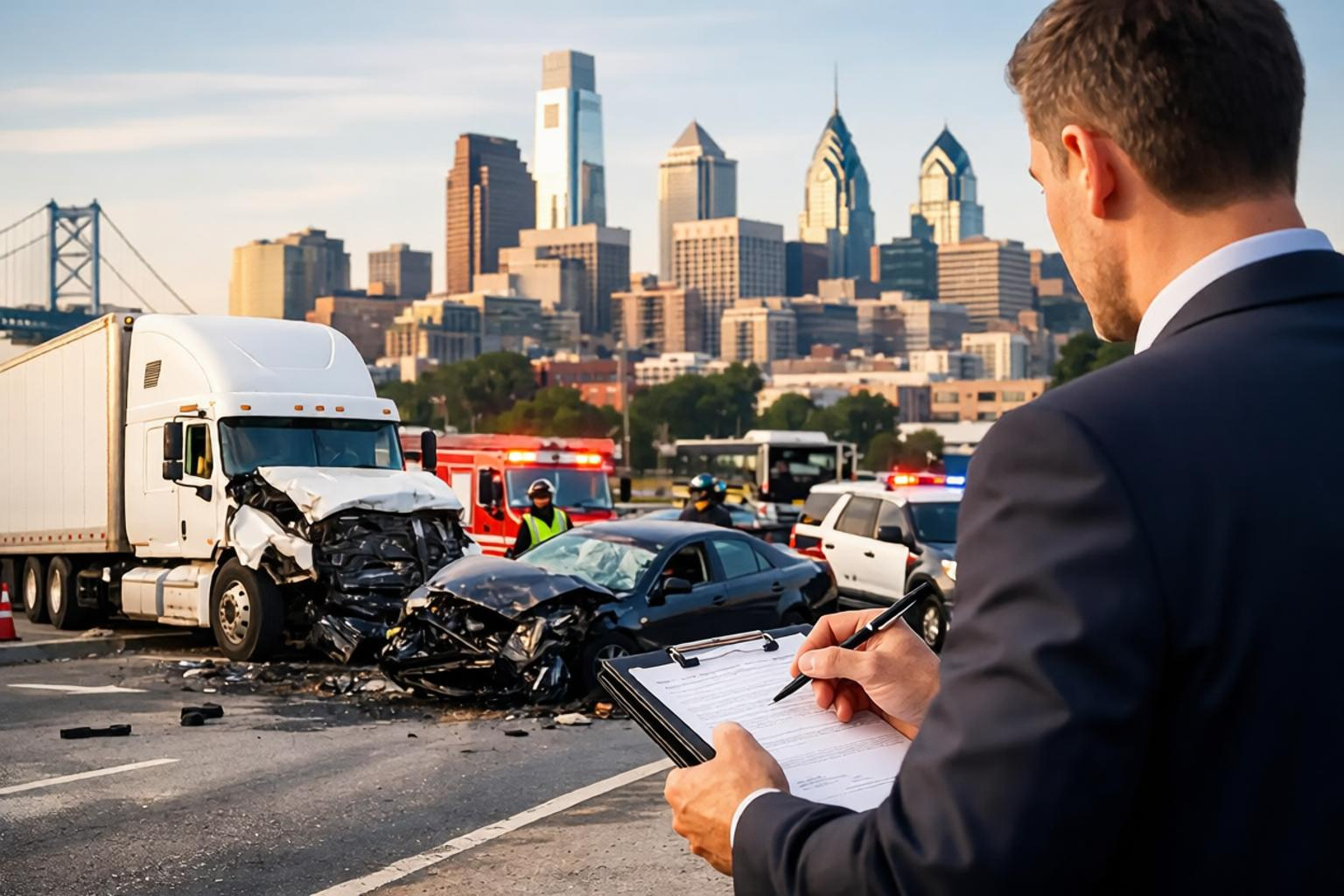
Frequently Asked Questions
Q1: What should you do immediately after a car hits a semi trailer?
Call emergency services, protect people from further traffic hazards, and avoid moving injured individuals unless there is an immediate danger. If it is safe, activate hazard warning lights, move to a protected location, and provide the dispatcher with the accident location and known injuries. Do not attempt to repair or move a damaged trailer until emergency responders or qualified personnel determine that it is safe.
Q2: Why can a car hitting the back of a semi trailer be so dangerous?
A rear collision can be especially dangerous because a passenger car may travel beneath the trailer if the rear impact guard does not prevent or sufficiently limit underride. The trailer's elevated chassis can create a mismatch between the car's front structure and the trailer's rear structure. The actual injury risk depends on impact conditions, vehicle geometry, and rear guard performance; a visible rear bumper alone does not establish that a trailer meets applicable safety requirements.
Q3: What is the rear impact guard on a semi trailer?
A rear impact guard is a structural safety device fitted to the rear of many trailers to reduce the risk of passenger vehicles sliding underneath during a rear-end collision. In the United States, applicable federal requirements include Federal Motor Vehicle Safety Standards 223 and 224, together with relevant in-service requirements under 49 CFR §393.86. Applicability depends on trailer type, manufacturing date, weight rating, and regulatory exceptions; damaged guards should be assessed and repaired or replaced according to applicable requirements and manufacturer guidance.
Q4: Can a semi trailer be damaged even if the collision looks minor?
Yes, a collision can cause hidden structural or mechanical damage even when the trailer has only minor visible scratches or dents. Inspect the rear impact guard, mounting brackets, welds, chassis rails, crossmembers, doors, lights, wiring, tires, wheels, axles, suspension, and cargo restraints. Any deformation, cracking, displaced components, or suspected frame damage should be evaluated by a qualified commercial trailer technician before the trailer returns to service.
Q5: Should a semi trailer be taken out of service after a car hits it?
A semi trailer should not return to service until damage that could affect safe operation has been assessed and any required repairs have been completed. The trailer should be kept out of service if the collision has affected its structural integrity, brakes, tires, wheels, suspension, lighting, coupling components, or required safety equipment. Follow applicable inspection regulations, company procedures, and manufacturer repair instructions; do not rely solely on a visual check by the driver.
Q6: What information should be collected after a car and semi trailer accident?
Collect accurate accident information, photographs, witness details, vehicle and trailer identification, and relevant operating records when it is safe and lawful to do so. Useful records include:
-
Date, time, and exact location of the collision.
-
Tractor and trailer registration details, VINs, and company information.
-
Photographs of the vehicles, impact area, road conditions, and visible damage.
-
Driver, witness, and responding authority information.
-
Available dashcam footage, telematics data, inspection records, and repair history.
Preserve original photographs and video files, and avoid altering or deleting potentially relevant evidence.
Q7: Who may be responsible when a car hits a semi trailer?
Responsibility depends on the collision circumstances, applicable traffic laws, available evidence, and any contributing vehicle or equipment defects. Investigators and insurers may examine driver actions, speed, visibility, lane position, following distance, lighting, conspicuity, road conditions, and the condition of required safety equipment. A collision involving a commercial trailer does not automatically establish fault for either the car driver or the truck operator.
Q8: Does a car hitting a semi trailer affect insurance and fleet operations?
A collision may trigger insurance notification, vehicle inspections, repair authorization, regulatory reporting, and fleet downtime procedures. The trailer owner or fleet manager should notify the relevant insurer promptly, preserve evidence, obtain qualified damage assessments, and keep repair invoices and inspection records. Reporting deadlines and coverage requirements vary by policy and jurisdiction, so the parties should follow their insurer's instructions and applicable local rules.
Conclusion
When a car hits a semi trailer, protecting people and preventing a second collision are the first priorities. Fleet operators should document the incident, arrange a qualified inspection, and keep the trailer out of service until its safety and roadworthiness are established. Careful damage assessment and accurate records help support repairs, insurance handling, and decisions about returning the trailer to operation.