

Overview
The number of bushels of corn a semi trailer can carry depends on two separate limits: the trailer's physical grain volume and the legal payload available after accounting for the tractor and trailer weight. A grain hopper trailer may have enough internal volume for well over 1,000 bushels, but the truck combination may reach its permitted gross or axle weight before the trailer is full.
For U.S. shelled corn calculations, the standard market reference is 56 pounds per bushel. Buyers, farmers, and fleet operators should therefore evaluate trailer dimensions, empty weight, axle configuration, corn test weight, and applicable road restrictions before estimating the quantity per trip.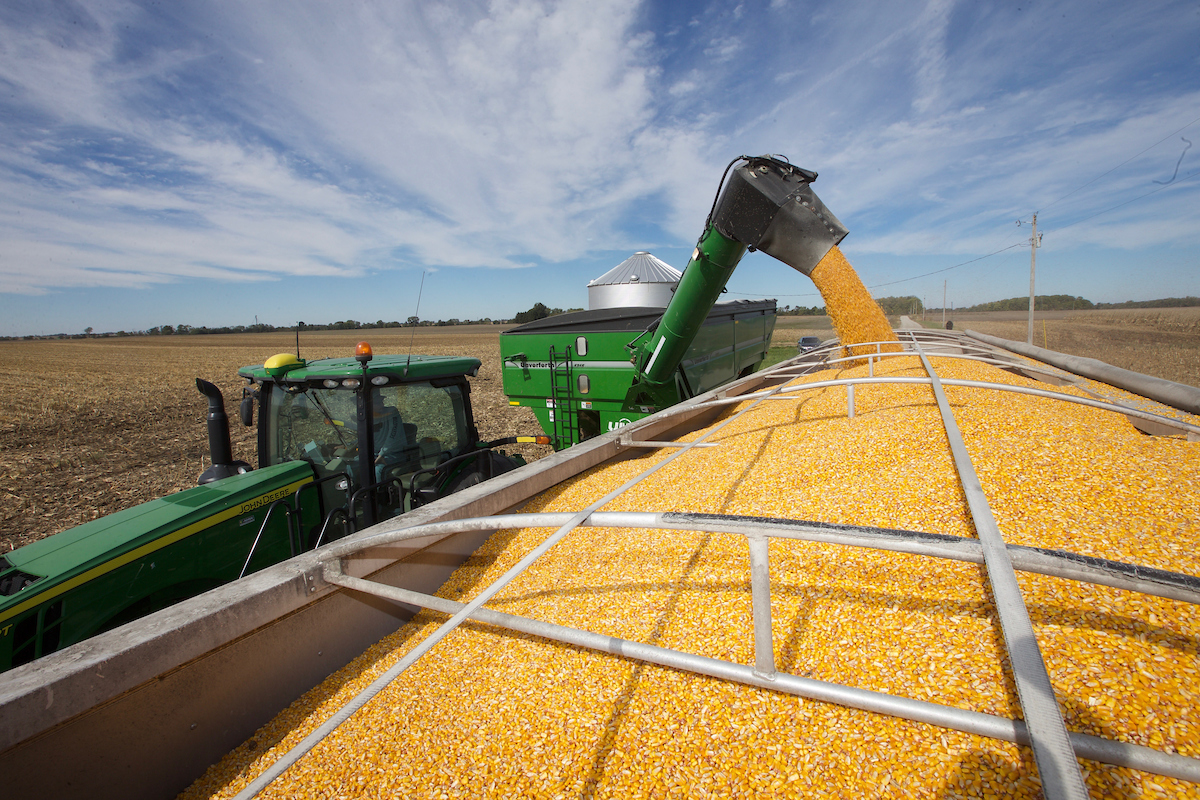
Frequently Asked Questions
Q1: How many bushels of corn can a semi trailer hold?
A typical U.S. semi-truck and grain trailer combination can haul approximately 850–1,000 bushels of shelled corn under common weight-limited operating conditions. The actual quantity depends on the tractor-trailer tare weight, available payload, corn test weight, and applicable road limits.
For example, a 50,000-pound corn payload at the standard 56 pounds per bushel equals approximately 893 bushels. Some lighter truck combinations or jurisdictions with different permitted weights may allow more, while heavier equipment may carry less.
Q2: How much does one bushel of corn weigh?
One standard U.S. bushel of shelled corn is calculated at 56 pounds (25.4 kg) for standard grain marketing and weight conversions. This is the standard reference used to convert a corn load's net weight into bushels.
Actual grain test weight can be higher or lower because of kernel density, moisture, and grain quality. The 56-pound standard should not be confused with the actual measured weight of every bushel of corn.
Q3: How do you calculate the number of bushels of corn in a semi trailer?
You calculate corn bushels by dividing the net weight of the corn by 56 pounds per bushel. Net corn weight is the loaded truck-and-trailer weight minus the empty combination weight.
Formula:
Bushels of corn = Net corn weight (lb) ÷ 56
For example:
-
Loaded combination weight: 78,000 lb
-
Empty combination weight: 28,000 lb
-
Net corn weight: 50,000 lb
-
Calculated quantity: 50,000 ÷ 56 = approximately 893 bushels
For commercial grain settlement, the elevator's applicable weighing, sampling, moisture, and test-weight procedures determine the final reported quantity.
Q4: Does a 40-foot or 42-foot grain trailer hold more corn?
A 42-foot grain hopper trailer generally offers more internal volume than a comparable 40-foot model, but the actual capacity depends on trailer width, side height, hopper design, and configuration. Published Stoughton specifications, for example, list approximately 1,100–1,200 bushels for certain 40-foot models and 1,125–1,550 bushels for selected 42-foot models.
These are manufacturer-listed volumetric capacities, not guaranteed legal payloads. A trailer may have enough space for more grain than the tractor-trailer combination is legally permitted to transport.
Q5: What is the difference between grain trailer volume and legal corn payload?
Grain trailer volume measures how much grain the trailer can physically contain, while legal payload measures how much weight the vehicle combination can carry under applicable regulations. These two values are not interchangeable.
For example, Wilson's published grain trailer specifications distinguish between water-level bushel capacity and heaped capacity, demonstrating how loading level changes the stated volume.
Before loading, operators should verify:
-
Trailer manufacturer-rated capacity and empty weight.
-
Tractor and trailer gross vehicle weight ratings.
-
Individual axle and axle-group weight limits.
-
Applicable bridge-formula and road restrictions.
-
Actual grain weight and loading distribution.
The lowest applicable vehicle or legal limit controls the permissible load.
Q6: Does corn test weight affect how many bushels a semi trailer can carry?
Yes, corn test weight affects the relationship between grain volume and the number of standard marketing bushels calculated from its weight. At the same physical volume, denser corn can weigh more than lower-test-weight corn.
For example, a 50,000-pound corn load represents approximately 893 standard 56-pound bushels, regardless of whether the grain occupies more or less trailer volume. Actual grain test weight and moisture can affect the elevator's settlement calculations and the physical space required.
Q7: How do you prevent overloading a semi trailer when hauling corn?
You prevent overloading by calculating the available payload before loading and checking the loaded combination on certified truck scales. Do not rely only on the trailer's advertised bushel capacity or the apparent fill level.
A practical loading procedure includes:
-
Confirming the empty tractor-trailer weight.
-
Calculating the permitted gross weight for the route and vehicle configuration.
-
Loading grain evenly across the trailer's compartments.
-
Checking axle and axle-group weights, not just total gross weight.
-
Reweighing the loaded combination before road transport.
-
Adjusting the load when any applicable weight limit is exceeded.
Uneven grain distribution can create excessive axle loads even when the total combination weight appears acceptable.
Q8: What grain trailer specifications should buyers consider for hauling corn?
Buyers should evaluate grain volume, tare weight, axle ratings, unloading design, and legal payload compatibility when selecting a semi grain trailer. A larger trailer is not automatically more productive if its empty weight reduces the available corn payload.
Important specifications to compare include:
-
Trailer length and side height: Determine available grain volume.
-
Water-level and heaped capacity: Understand how the manufacturer calculates bushel capacity.
-
Tare weight: Compare aluminum and steel construction options where available.
-
Axle configuration: Check axle ratings, suspension, and compatibility with the towing tractor.
-
Unloading equipment: Review hopper count, trap dimensions, and discharge arrangements.
-
Road compliance: Confirm dimensions, weight limits, braking requirements, and applicable regulations in the operating jurisdiction.
Request the manufacturer's technical drawing, weight specification, and capacity documentation before purchasing. Compare usable legal payload rather than selecting a trailer based on volume alone.
Conclusion
A semi trailer commonly hauls around 850–1,000 bushels of shelled corn under typical U.S. weight-limited operating conditions, although trailer volume may be substantially higher. The most reliable estimate comes from dividing the actual net corn weight by 56 pounds per standard bushel and confirming that gross and axle weights comply with local regulations.