

Overview
A semi trailer with a turntable is a trailer configuration that uses a rotating coupling mechanism to allow articulation between connected vehicle sections. Depending on the design, the turntable may be part of a drawbar trailer arrangement or a specialized multi-axle transport system. It is important to distinguish these configurations from conventional semi trailers, which normally connect to a tractor through a fixed fifth-wheel and kingpin interface.
For fleet operators and procurement teams, selecting the correct turntable trailer requires checking the coupling design, axle configuration, rated load capacity, towing vehicle compatibility, and applicable road regulations. The following FAQs cover the main technical, operational, and maintenance considerations.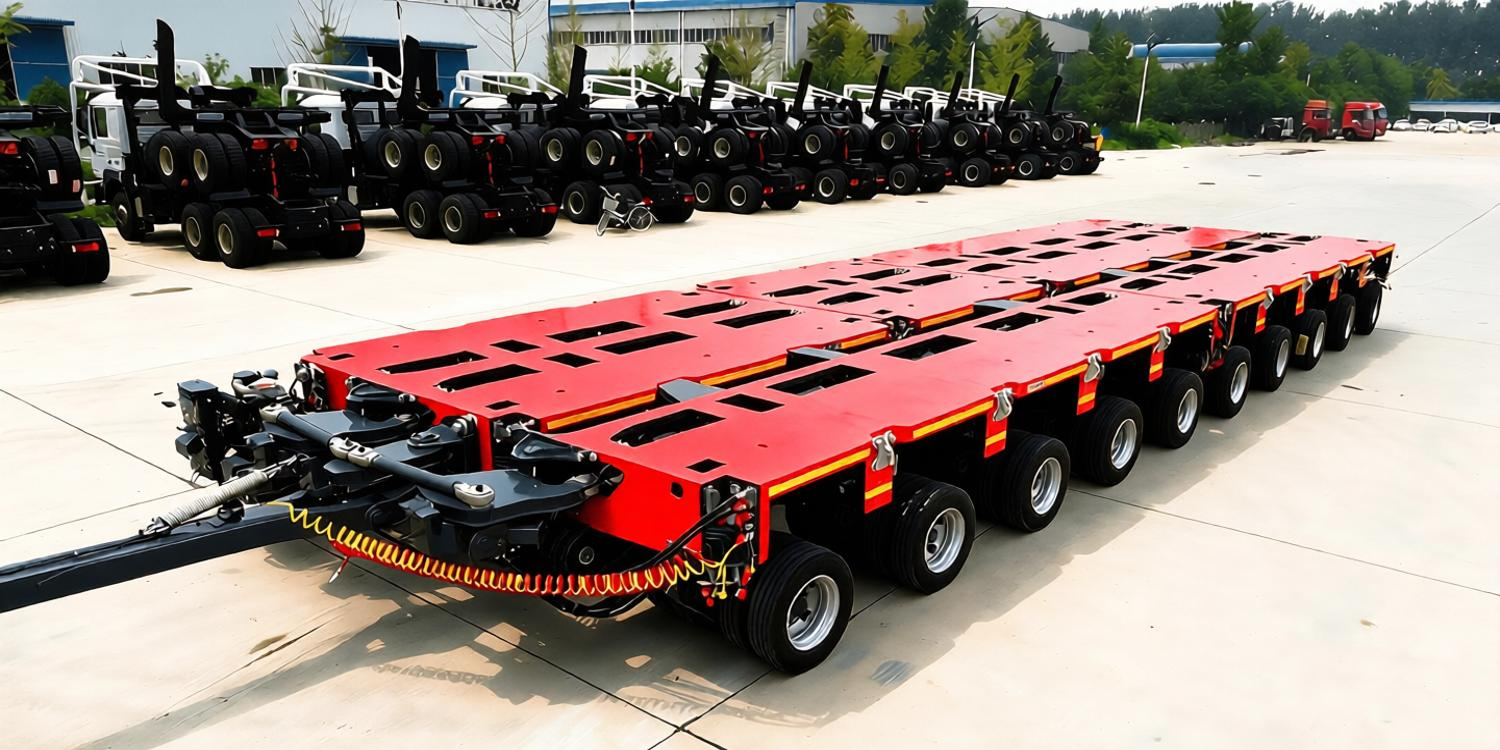
Frequently Asked Questions
Q1: What is a semi trailer with a turntable?
A trailer with a turntable uses a rotating coupling assembly to allow the connected trailer section to pivot relative to the towing vehicle or chassis. This arrangement is commonly associated with drawbar trailers and articulated multi-section transport systems rather than conventional fifth-wheel semi trailers.
The turntable helps the combination negotiate corners and changes in direction. Buyers should confirm whether the required configuration is a drawbar trailer, a full trailer, or a specialized articulated transport trailer before requesting a quotation.
Q2: What is the difference between a turntable trailer and a conventional semi trailer?
A turntable trailer typically uses a rotating coupling between the towing vehicle and trailer, while a conventional semi trailer connects to a tractor through a fifth-wheel coupling and kingpin.
Key differences include:
-
Coupling: A turntable assembly allows rotation around its designed pivot axis; a fifth-wheel coupling uses a kingpin connection.
-
Load distribution: Turntable trailers commonly transfer much of their load through their own axle groups, while semi trailers transfer part of their load to the tractor through the fifth wheel.
-
Vehicle configuration: Turntable systems are often used in full-trailer or multi-section combinations.
The correct choice depends on the towing vehicle, cargo, route conditions, and local vehicle regulations.
Q3: What is the load capacity of a trailer with a turntable?
The load capacity of a turntable trailer depends on its chassis design, axle ratings, suspension, tires, coupling assembly, and permitted gross combination weight. There is no single standard payload rating for all turntable trailer configurations.
Before purchasing, verify:
-
Maximum gross vehicle and trailer weight
-
Rated capacity of each axle and suspension group
-
Turntable and drawbar load ratings
-
Tire load ratings and braking capacity
-
Legal axle-load limits on intended routes
The manufacturer's rated specifications and applicable transport regulations must determine the permitted operating load.
Q4: How do you choose the right turntable coupling for a trailer?
The correct turntable coupling must match the trailer's design loads, towing vehicle interface, articulation requirements, and operating conditions. Buyers should not select a turntable based only on its physical dimensions or advertised load rating.
Important selection factors include:
-
Maximum vertical and horizontal loads
-
Permitted articulation angles
-
Mounting dimensions and fastening arrangement
-
Bearing or wear-ring design
-
Lubrication requirements
-
Compatibility with the drawbar, chassis, and braking system
The coupling manufacturer's technical documentation should be checked to confirm its suitability for the complete vehicle combination.
Q5: What daily inspections are required for a turntable trailer?
A turntable trailer should be inspected before operation for coupling security, visible structural damage, abnormal wear, tire condition, brakes, lights, and safety connections. Inspection requirements must follow the manufacturer's manual and applicable road-safety regulations.
Operators should check:
-
Turntable mounting bolts, retaining components, and visible cracks
-
Excessive play, unusual movement, or abnormal noise in the rotating assembly
-
Drawbar, coupling connections, and safety devices
-
Tires, wheel fasteners, suspension, and brakes
-
Electrical connections, lighting, and air lines where fitted
Any suspected coupling damage or abnormal movement should be assessed before the trailer returns to service.
Q6: How should a trailer turntable be maintained and lubricated?
A trailer turntable should be cleaned, inspected, and lubricated according to the coupling manufacturer's maintenance instructions. Lubrication frequency and grease type depend on the bearing design, operating environment, load, and service conditions.
Maintenance may include:
-
Removing dirt and debris from accessible bearing areas
-
Applying the specified lubricant to designated points
-
Inspecting seals, wear surfaces, fasteners, and mounting structures
-
Checking for excessive clearance, corrosion, or uneven wear
-
Recording inspection findings and maintenance work
Do not substitute a generic grease or service interval for the manufacturer's approved requirements.
Q7: What spare parts are commonly needed for a turntable trailer?
Common replacement parts include turntable bearing components, seals, lubrication fittings, mounting fasteners, drawbar components, brake parts, suspension components, and electrical connections. Actual requirements depend on the trailer design and the severity of operating conditions.
Before ordering parts, identify the trailer manufacturer, model, serial number, and turntable assembly designation. Confirm part dimensions and compatibility with the supplier to avoid fitting components that do not meet the original design requirements.
Q8: What should buyers consider when purchasing a semi trailer with a turntable?
Buyers should confirm the trailer configuration, rated capacity, coupling specifications, towing vehicle compatibility, and legal operating requirements before placing an order. A turntable trailer must be evaluated as part of the complete vehicle combination, not as an isolated trailer unit.
A practical procurement checklist includes:
-
Cargo type, dimensions, and expected payload
-
Turntable design and rated coupling loads
-
Axle quantity, axle ratings, and suspension type
-
Brake system and electrical compatibility
-
Overall dimensions, turning characteristics, and route restrictions
-
Spare-parts availability and after-sales service
-
Applicable vehicle approval and road-registration requirements
Request technical drawings, detailed specifications, operating instructions, and maintenance documentation. Also confirm warranty terms and service responsibilities in writing before purchase.
Conclusion
A turntable trailer can provide the articulation required for specific full-trailer and multi-section transport applications, but its suitability depends on the complete vehicle configuration. Buyers should verify coupling ratings, axle capacity, towing compatibility, maintenance requirements, and local road regulations to ensure safe and legally compliant operation.