

Overview
Semi trailer bushings are wear components installed at suspension joints and other pivot points to reduce metal-to-metal contact, absorb vibration, and allow controlled movement. Common applications include leaf spring hangers, equalizers, torque rods, and other suspension connections. Damaged or worn bushings can contribute to excessive movement, noise, uneven tire wear, and suspension alignment problems.
The search phrase "semi trailer scam bushing" may also indicate concern about fraudulent or misrepresented replacement parts. Buyers should therefore evaluate both the technical suitability of a bushing and the credibility of the supplier. This FAQ covers inspection, compatibility, replacement, maintenance, purchasing precautions, and supplier verification.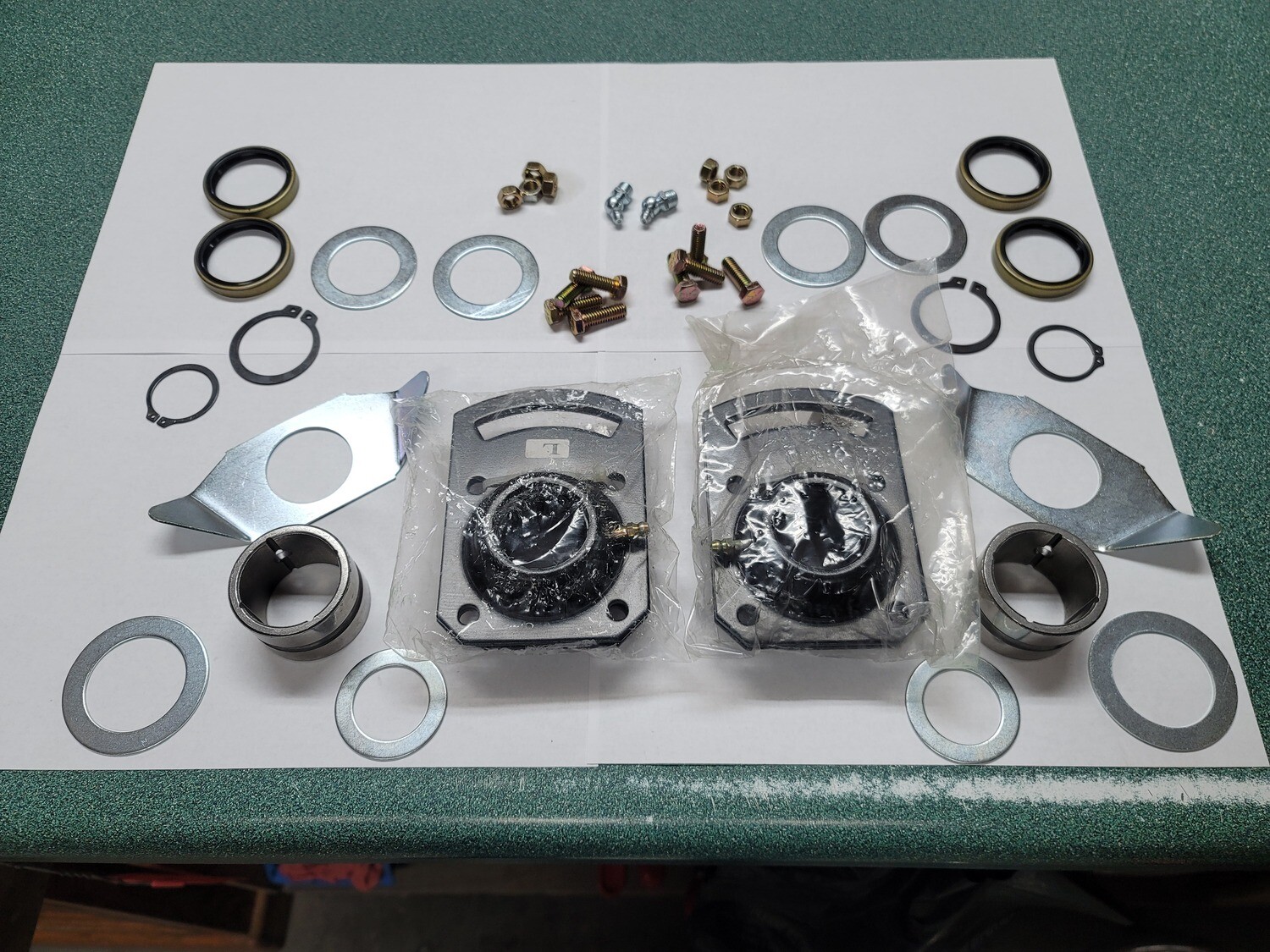
Frequently Asked Questions
Q1: What does a bushing do on a semi trailer?
A semi trailer bushing supports controlled movement at suspension joints while reducing friction, vibration, and direct metal-to-metal contact. It is commonly used in suspension components such as spring hangers, equalizers, and torque rods.
Depending on the design, bushings may be manufactured from rubber, polyurethane, bronze, or other engineered materials. The correct material and dimensions depend on the suspension manufacturer's design and operating requirements.
Q2: How can I tell if semi trailer suspension bushings are worn?
Worn semi trailer bushings can be identified by excessive joint movement, visible material damage, abnormal noise, or deterioration around the mounting points. A damaged bushing may affect suspension geometry and contribute to uneven tire wear.
Common warning signs include:
-
Cracks, splits, deformation, or missing material.
-
Excessive movement between suspension components.
-
Squeaking, knocking, or unusual suspension noise.
-
Loose or visibly misaligned suspension connections.
-
Uneven tire wear or abnormal axle alignment.
-
Corrosion or damage around the bushing housing and mounting hardware.
A qualified technician should inspect the complete suspension assembly before deciding whether a bushing alone needs replacement.
Q3: How do I choose the correct replacement bushing for a semi trailer?
The correct replacement bushing must match the suspension design, dimensions, material requirements, and application specified by the trailer or suspension manufacturer. A visually similar part is not necessarily interchangeable.
Before ordering, confirm:
-
Trailer manufacturer, model, and production year.
-
Suspension manufacturer and suspension model.
-
Bushing inner diameter, outer diameter, and length.
-
Material type and hardness where specified.
-
Mounting design and compatible hardware.
-
Original equipment or approved replacement part number.
Do not select a bushing based only on photographs or approximate measurements. Use the manufacturer's parts catalog or obtain confirmation from an authorized parts supplier.
Q4: When should semi trailer bushings be replaced?
Semi trailer bushings should be replaced when inspection identifies damage, excessive wear, deformation, or movement beyond the manufacturer's permitted limits. There is no universal replacement interval because bushing life depends on material, suspension design, load conditions, road quality, and maintenance practices.
Fleet operators should inspect bushings during scheduled suspension checks and whenever abnormal tire wear, noise, or handling changes occur. Follow the trailer or suspension manufacturer's inspection criteria rather than relying on an arbitrary mileage interval.
Q5: Can I replace semi trailer bushings myself?
Semi trailer bushings can be replaced by trained technicians with the correct tools, service information, and safe lifting equipment. The procedure may require supporting or unloading suspension components and using a suitable press or manufacturer-approved installation tool.
Important precautions include:
-
Park on stable, level ground and secure the trailer against movement.
-
Use properly rated lifting and support equipment.
-
Follow the manufacturer's suspension disassembly procedure.
-
Avoid damaging the bushing housing during removal and installation.
-
Use the specified fasteners, tightening sequence, and torque values.
-
Check suspension alignment and joint movement after installation.
Suspension components can store mechanical energy and carry substantial loads. Untrained personnel should not attempt replacement without appropriate equipment and technical guidance.
Q6: What causes semi trailer bushings to wear out prematurely?
Premature bushing wear is commonly associated with overloading, poor road conditions, incorrect installation, unsuitable replacement materials, and neglected suspension maintenance. Environmental exposure and chemical contamination can also affect some bushing materials.
Common contributing factors include:
-
Repeated operation above the trailer's rated load limits.
-
Rough roads, impact loading, and excessive vibration.
-
Incorrect bushing dimensions or material selection.
-
Misalignment or damaged suspension mounting points.
-
Improper installation or incorrect fastener tightening.
-
Exposure to oil, grease, chemicals, or excessive heat where incompatible with the material.
Correct loading practices, compatible replacement parts, and regular suspension inspections help reduce avoidable wear.
Q7: How can I avoid scams when buying semi trailer bushings online?
Buyers can reduce the risk of bushing-parts fraud by verifying the supplier, confirming the part number, and checking payment details before placing an order. Fake listings may use copied product photographs, misleading compatibility claims, or unusually low prices to attract buyers.
Before purchasing:
-
Verify the supplier's registered business identity and contact information.
-
Request the manufacturer's part number and technical dimensions.
-
Ask for clear photographs of the actual product and packaging.
-
Confirm compatibility with the trailer or suspension manufacturer.
-
Check whether the seller is an authorized distributor or can provide traceable sourcing information.
-
Obtain a written quotation, invoice, delivery terms, and return policy.
-
Independently verify the payment beneficiary before transferring funds.
Be cautious if a seller refuses to provide technical details, pressures you to pay immediately, or requests payment to an unrelated personal account. A low price alone does not prove fraud, but unexplained discounts combined with poor documentation are a reason to investigate further.
Q8: How can I verify the quality and authenticity of semi trailer bushings?
Bushing authenticity and quality should be verified through traceable supplier documentation, correct part identification, dimensional checks, and confirmation of material specifications. Appearance alone cannot establish whether a replacement component meets the required performance standard.
For critical suspension parts, request:
-
Manufacturer name and traceable part number.
-
Product datasheet or technical specifications.
-
Material information and applicable quality documentation.
-
Batch or production identification where available.
-
Written confirmation of compatibility with the suspension system.
-
Warranty and return conditions provided by the supplier.
Compare the delivered part with the approved technical documentation before installation. If the dimensions, markings, material, or packaging differ from the confirmed order, contact the supplier and suspend installation until the discrepancy is resolved.
Conclusion
Semi trailer bushings play an important role in suspension movement, vibration control, and component protection. Regular inspections and correct replacement parts help prevent avoidable suspension problems and reduce unexpected maintenance costs.
When purchasing bushings, verify the part number, dimensions, material, and supplier credentials before payment. For safety-critical suspension components, follow the trailer or suspension manufacturer's service instructions and use qualified technicians for installation.