

Overview
Semi trailer width is a regulated dimension that varies by jurisdiction, and for fleet managers and procurement teams it directly affects route planning, permit requirements, and equipment standardization. The most common reference point in North America is 102 inches (8.5 feet / approximately 2.59 meters), while the European Union sets a general maximum of 2.55 meters and Australia applies a 2.5-meter general limit with conditional allowances.
This FAQ addresses the width question directly and then covers the related procurement and compliance issues that arise when specifying trailers for domestic or cross-border operations. All figures should be verified against the current regulations of the specific jurisdictions the fleet operates in, as dimension rules are subject to amendment and state or national exceptions.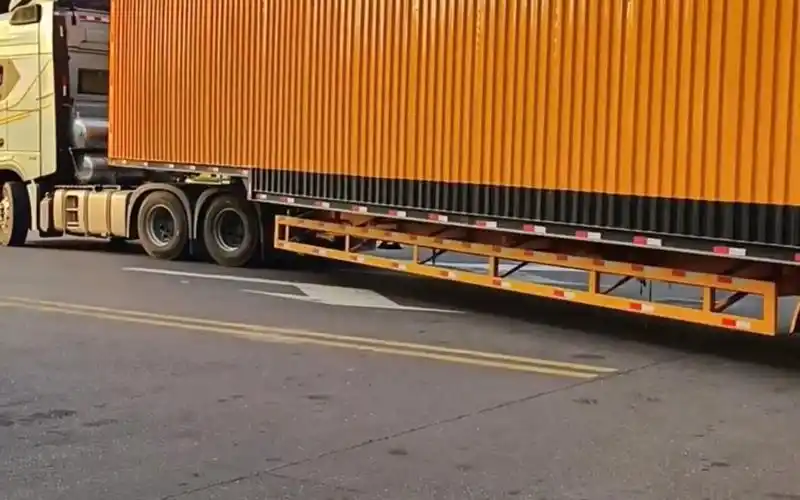
Frequently Asked Questions
How wide is a semi trailer in the United States?
The standard maximum legal width for a semi trailer in the United States is 102 inches (8.5 feet or approximately 2.59 meters). This dimension is widely adopted across states and is the basis for the common 53-foot dry van and refrigerated trailer specifications used in interstate freight.
A small number of jurisdictions have historically maintained different limits, and Hawaii permits certain roads to accommodate trailers up to 108 inches wide . Any trailer exceeding the applicable state maximum is classified as oversized and requires an oversize permit, which may impose route restrictions, travel time windows, or escort requirements. Procurement teams should confirm the width limit for every state in the intended operating network rather than assuming a uniform national standard.
How wide is a semi trailer in Europe?
The general maximum authorised width for a semi trailer in the European Union is 2.55 meters, with a conditional allowance of 2.60 meters for vehicles fitted with insulated bodywork having walls at least 45 mm thick . These limits apply to vehicles operating under EU type-approval rules and are enforced at national borders and during roadside inspections.
The 2.55-meter limit accommodates standard curtain-side, dry freight, and refrigerated semi trailers used in European road transport. Width exceptions for indivisible loads require special permits issued by the relevant national authority. Fleets specifying trailers for both EU and non-EU markets should verify that the body width, including any side-mounted equipment or load restraint devices, remains within the applicable limit.
How wide is a semi trailer in Australia?
The general width limit for heavy vehicles in Australia is 2.5 meters, with an allowance to 2.55 meters where the additional width is attributable to permanently fixed webbing-assembly devices such as curtain-side tensioners . A "Safer Freight Vehicle" category permits 2.55 meters subject to compliance with specified advanced safety features including advanced emergency braking, lane departure warning, and blind spot information systems .
These limits are set under the Heavy Vehicle National Regulation and apply across participating states and territories. Operators should note that the 2.55-meter allowance is conditional and not a blanket increase; the additional width must come from the permitted device category. Trailers intended for intermodal or cross-border operation may face different limits in individual states and should be checked against the National Heavy Vehicle Regulator's current guidance.
What happens if a semi trailer exceeds the legal width limit?
A semi trailer wider than the applicable legal limit requires an oversize or over-dimension permit before it can travel on public roads. Operating an oversized trailer without a permit exposes the carrier to fines, out-of-service orders, and potential liability in the event of an incident.
Permit conditions commonly include specified routes, travel time restrictions, escort vehicle requirements, and in some cases speed limitations. The permit process can take time, so fleets planning to deploy wider-than-standard equipment should factor the approval lead time into project scheduling. For recurring routes, some jurisdictions offer annual or multi-trip permits, but these remain subject to route-specific conditions. Standard-width trailers avoid this administrative burden entirely and are the default choice unless the cargo requires otherwise.
Does trailer width affect payload capacity or axle configuration?
Trailer width and payload capacity are related but not directly proportional; a wider trailer does not automatically increase legal payload, because payload is primarily governed by axle load limits and gross vehicle weight ratings. The internal width does affect cargo configuration, particularly for palletized freight where the ability to arrange pallets side by side influences cube utilization.
The external width interacts with axle and tire specifications. A 102-inch trailer typically uses dual tires on standard axles, while some specialized or intermodal trailers use super-single tires that change the wheel-end packaging. Fleets should confirm that the suspension, axle, and tire combination is rated for the intended gross weight independently of the trailer's external width. The trailer data plate and the manufacturer's specification sheet remain the controlling documents for capacity.
How does semi trailer width compare to standard highway lane width?
A standard highway lane in the United States is approximately 12 feet (3.66 meters) wide, leaving roughly 1.75 feet of clearance on each side for a 102-inch trailer traveling centered in the lane. This margin is sufficient for normal operation but leaves limited room for error, which is why lane departure warning systems are increasingly specified on heavy vehicles.
In practice, the effective clearance is reduced by road shoulders, construction zones, and adjacent traffic. Drivers and fleet safety programs should account for the fact that a legal-width trailer still requires active lane management, particularly in crosswinds and on narrow secondary roads. The 102-inch standard was selected partly because it fits within a 12-foot lane with adequate margin for normal driving conditions.
What width should I specify for a new semi trailer order?
Specify the narrowest width that meets the cargo and operational requirement, and default to the prevailing regional standard unless a specific cargo dimension justifies otherwise. For US interstate operations, 102 inches is the standard specification and maximizes resale liquidity and route flexibility. For EU operations, 2.55 meters is the general maximum and the appropriate default for dry freight and curtain-side trailers.
Procurement decisions should consider the full operating network, not just the primary route. A trailer that is legal in one state or country may require permits in another, and the cumulative permit cost and administrative burden can outweigh any cargo-cube benefit of a wider body. For fleets that occasionally carry wider loads, a standard-width trailer plus a separate oversize permit process for those specific movements is often more economical than specifying every trailer at an increased width.
Conclusion
Semi trailer width is a regulated dimension with three dominant regional benchmarks: 102 inches in the United States, 2.55 meters in the European Union, and 2.5 meters in Australia. Procurement and fleet teams should confirm the applicable limit for every jurisdiction in the operating network, treat the trailer data plate and current regulations as controlling, and reserve wider-than-standard specifications for cases where the cargo dimension clearly justifies the permit and routing burden.