

Overview
The value of a semi trailer depends on its design, age, operating condition, specifications, maintenance history, and current market demand. A used dry van, flatbed, refrigerated trailer, lowboy, and tanker can have significantly different market values because they serve different applications and have different equipment requirements.
For buyers, sellers, and fleet managers, determining what a semi trailer is worth requires more than comparing asking prices. This FAQ explains the main factors affecting trailer valuation, how to assess used equipment, and what to check before purchasing or selling a semi trailer.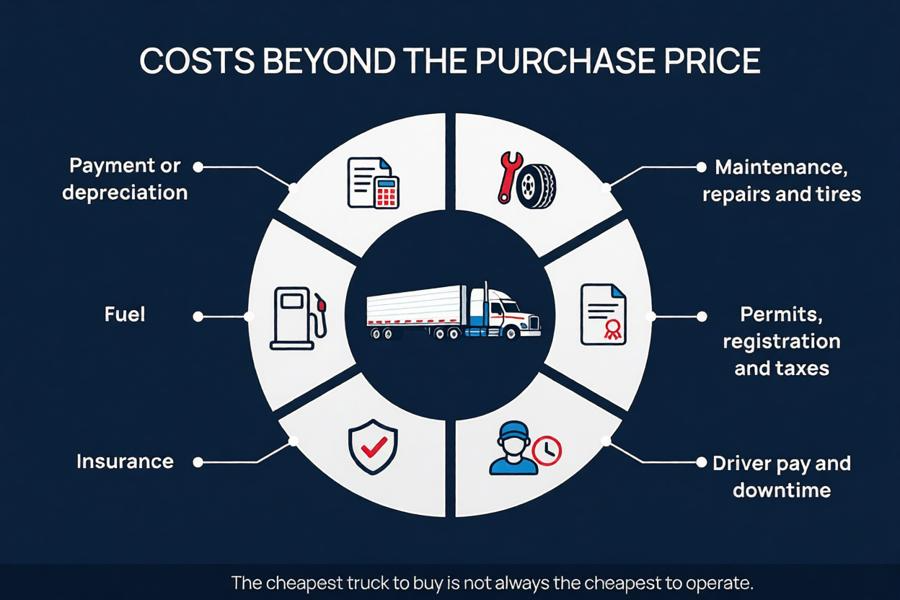
Frequently Asked Questions
Q1: How much is a semi trailer worth?
A semi trailer's value is determined by its trailer type, age, condition, specifications, and local market demand. Used trailers typically sell for less than comparable new units, but the actual price varies significantly between dry vans, flatbeds, refrigerated trailers, tankers, and specialized trailers.
For an accurate estimate, compare trailers with similar:
-
Manufacturing year and manufacturer
-
Overall dimensions and rated payload
-
Axle configuration and suspension system
-
Structural condition and maintenance history
-
Equipment, accessories, and optional features
A current market comparison and a physical inspection provide a more reliable valuation than the original purchase price alone.
Q2: What factors have the biggest impact on semi trailer resale value?
The biggest factors affecting semi trailer resale value are structural condition, age, maintenance history, equipment specifications, and demand for the trailer type. A well-maintained trailer with documented service records may retain more value than a similar unit with corrosion, damage, or uncertain maintenance history.
Important valuation factors include:
-
Frame and chassis: Cracks, corrosion, deformation, and previous repairs can reduce value.
-
Axles and suspension: Worn components or damaged suspension systems may require costly repairs.
-
Tires and brakes: Tire condition, brake wear, and remaining service life affect operating costs.
-
Body condition: Floor damage, roof leaks, door problems, and sidewall deterioration influence value.
-
Documentation: Clear ownership records, inspection reports, and maintenance records support buyer confidence.
Q3: Is an older semi trailer still worth buying?
An older semi trailer can still be worth buying if its structure, running gear, and safety systems are in acceptable condition and its price reflects the remaining service life. Manufacturing year alone does not determine whether a trailer is a good investment.
Before purchasing an older unit, inspect:
-
Main frame, crossmembers, and landing gear
-
Axles, wheel hubs, suspension, and tires
-
Braking system, ABS components, and electrical connections
-
Floor, doors, lighting, and body structure
-
Evidence of previous accidents, corrosion, or major repairs
Also confirm that the trailer meets the applicable registration, roadworthiness, and operating requirements in its intended market.
Q4: Does semi trailer type affect how much it is worth?
Yes, semi trailer type has a major effect on market value because different designs require different materials, components, and specialized equipment. A standard dry van, flatbed, refrigerated trailer, tanker, and lowboy should be evaluated against comparable trailers of the same category.
Typical valuation considerations include:
-
Dry van trailers: Body condition, roof integrity, flooring, doors, and axle configuration.
-
Flatbed trailers: Deck condition, frame strength, tie-down points, and load-securement equipment.
-
Refrigerated trailers: Refrigeration-unit condition, operating hours, insulation, and temperature-control performance.
-
Tanker trailers: Tank material, capacity, compartment configuration, inspection records, and suitability for the intended cargo.
-
Lowboy trailers: Rated capacity, deck configuration, axle arrangement, hydraulic systems where fitted, and loading equipment.
Specialized trailers may have a smaller buyer market, so their resale value also depends on demand for their particular application.
Q5: How can I estimate the value of a used semi trailer before buying?
You can estimate a used semi trailer's value by comparing similar listings, checking its condition, reviewing its maintenance records, and accounting for necessary repairs. The most useful comparisons involve trailers with the same type, manufacturing year, dimensions, axle configuration, and equipment.
A practical valuation process is:
-
Identify the manufacturer, model, year, and trailer category.
-
Record the overall dimensions, rated capacity, and axle configuration.
-
Compare asking prices for similar trailers in the same market.
-
Inspect the chassis, suspension, brakes, tires, body, and electrical systems.
-
Estimate immediate repair and replacement costs.
-
Adjust the estimated value according to condition and documentation.
Remember that advertised prices are asking prices, not necessarily completed transaction prices. An independent inspection can help identify defects that are not obvious in photographs.
Q6: Do maintenance records increase a semi trailer's value?
Yes, complete maintenance records can support a higher resale value by demonstrating that the trailer has received consistent servicing and helping buyers assess its condition. Records also make it easier to identify previous repairs, recurring problems, and replaced components.
Useful documentation includes:
-
Routine inspection and maintenance reports
-
Brake, axle, and suspension service records
-
Tire replacement history
-
Structural repair and accident documentation
-
Refrigeration-unit service records, if applicable
-
Previous inspection and roadworthiness documents
Maintenance records do not guarantee a higher selling price, but they reduce uncertainty and help buyers make better-informed purchasing decisions.
Q7: What should I inspect before deciding whether a semi trailer is worth the asking price?
You should inspect the chassis, frame, axles, suspension, brakes, tires, coupling components, body, and electrical systems before deciding whether a semi trailer is worth its asking price. The inspection should reflect the trailer's specific design and intended operating conditions.
Pay particular attention to:
-
Structural integrity: Check for cracks, corrosion, deformation, and poor-quality repairs.
-
Running gear: Examine axle condition, wheel bearings, suspension components, and tires.
-
Braking and electrical systems: Check brake operation, ABS warning indicators, lights, wiring, and connections.
-
Coupling equipment: Inspect the kingpin, upper coupler plate, landing gear, and other relevant connection components.
-
Trailer-specific equipment: Test refrigeration systems, hydraulic equipment, tank fittings, or loading mechanisms where applicable.
A qualified trailer technician should assess suspected structural or safety-related defects. The inspection should also follow applicable manufacturer guidance and local regulations.
Q8: Is a new semi trailer worth more than a used one?
A new semi trailer generally has a higher purchase value than a comparable used trailer because it has not accumulated the same operating hours, wear, or service history. However, a used trailer may offer a lower initial investment when its condition and specifications meet the buyer's requirements.
When comparing new and used options, consider:
-
Initial purchase price and financing costs
-
Expected maintenance and repair expenses
-
Remaining useful service life
-
Warranty coverage and manufacturer support
-
Parts availability and service accessibility
-
Resale value and expected operating utilization
The best choice depends on the total cost of ownership rather than purchase price alone. A new trailer may suit fleets requiring standardized equipment and predictable support, while a properly inspected used trailer may be suitable for buyers prioritizing a lower initial investment.
Conclusion
A semi trailer's worth is determined by its type, specifications, physical condition, maintenance history, and resale market. Buyers should compare equivalent trailers, verify documentation, and inspect critical components before agreeing on a price. Evaluating both the purchase cost and expected future maintenance expenses provides a more practical basis for deciding whether a semi trailer represents good value.