

Introduction
Freight operators face increasing pressure to improve transportation efficiency, manage fuel and labor costs, reduce handling time, and maintain reliable delivery schedules. Combining road and rail transportation can help businesses connect regional distribution networks with long-distance freight corridors. In this context, the phrase a train semi trailer may refer to a semi trailer used in a train-based freight operation, a road-rail intermodal trailer, or a specialized trailer designed to be transported by rail.
These equipment categories are related but technically different. A conventional semi trailer is designed to be towed by a road tractor. A road-rail trailer is specifically engineered or adapted for transfer between road and rail transport systems. A rail freight wagon, by contrast, is a railway vehicle designed to operate on tracks and is not necessarily a road semi trailer.
For buyers, logistics companies, and fleet managers, identifying the intended transport system is the first step. The correct solution depends on whether the trailer will travel only on roads, be carried on a railway wagon, or operate as part of a specialized road-rail system. Structural compatibility, loading equipment, axle arrangements, braking systems, and regulatory approval must all be considered before procurement.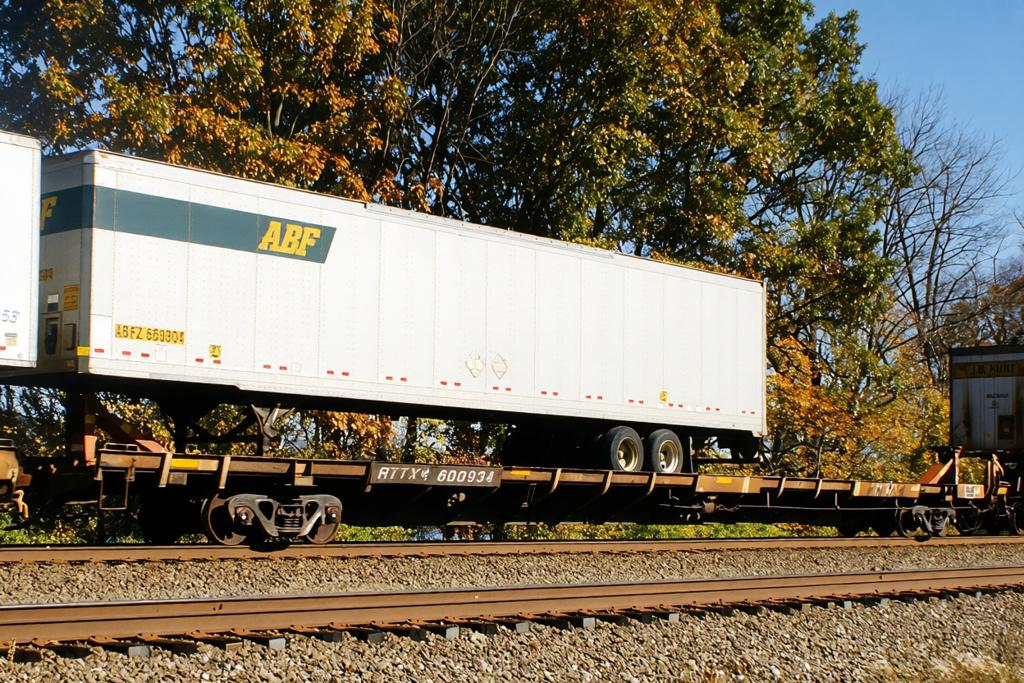
Core Powertrain and Structural Design
A conventional semi trailer does not normally have its own engine or transmission. It receives traction from a road tractor through a fifth-wheel coupling. A trailer designed for intermodal or road-rail applications may require additional structural and interface features, depending on how it is transferred or transported by rail.
Road Tractor and Coupling Interface
For road transportation, the semi trailer connects to a tractor through a kingpin and fifth-wheel coupling. The tractor provides the engine power, transmission, steering, and primary driving force.
Important compatibility factors include:
-
Kingpin size and rating.
-
Fifth-wheel height and position.
-
Permitted kingpin load.
-
Tractor axle capacity.
-
Trailer overall dimensions.
-
Electrical and pneumatic connections.
-
Turning clearance and maneuverability.
The coupling system transfers vertical and horizontal forces between the tractor and trailer. Correct matching is essential for stable handling, braking, and legal operation.
Road-Rail and Intermodal Transport Design
A road-rail semi trailer may be designed to move between road and railway transportation systems. Depending on the technology, the trailer may be carried on a specialized rail wagon or form part of a system that allows road vehicles or trailers to be transferred onto rail infrastructure.
These systems can use different loading methods, including:
-
Horizontal loading and unloading.
-
Vertical lifting using cranes or specialized handling equipment.
-
Specialized rail wagons designed to accommodate road trailers.
-
Dedicated transfer systems that connect road and rail operations.
Not every semi trailer can be transported by rail. A conventional road trailer must not be assumed to be compatible with a rail system simply because its dimensions appear suitable. The trailer, rail wagon, loading equipment, and railway operating requirements must be evaluated as a complete system.
Chassis and Structural Durability
The chassis is the main load-bearing structure of a semi trailer. It typically consists of longitudinal beams, crossmembers, suspension supports, axle mounting points, and reinforced coupling areas.
For intermodal applications, additional structural considerations may include:
-
Approved lifting or support points.
-
Compatibility with rail wagon interfaces.
-
Reinforcement around load-transfer areas.
-
Frame strength under different loading conditions.
-
Protection against repeated handling stresses.
-
Dimensional compatibility with loading equipment.
The frame must withstand vertical loads, braking forces, lateral movement, and torsional stress. If a trailer is intended for specialized rail handling, its structure must also comply with the requirements of the relevant transfer system.
Axles, Suspension, and Braking
A road semi trailer normally uses multiple axles and a suspension system designed to distribute cargo weight and maintain road stability.
Common suspension options include mechanical leaf-spring suspension and air suspension. The appropriate system depends on load requirements, road conditions, maintenance resources, and operating frequency.
Road braking systems commonly use pneumatic components supplied by the tractor. ABS or EBS may be included depending on the trailer specification and market requirements.
Rail transportation introduces a separate set of technical requirements. A trailer carried on a railway wagon does not automatically use its road braking system as the train's braking system. The railway wagon and train braking arrangements must meet the applicable railway standards and operating rules.
Safety and Serviceability
Safety considerations depend on the transport mode. Road operation requires suitable lighting, braking, coupling, tires, and load-securing systems. Rail transfer may introduce additional requirements for lifting points, securing arrangements, loading procedures, and compatibility with railway equipment.
Maintenance access should be considered during procurement. Important inspection areas include the chassis, welds, suspension brackets, axles, kingpin, braking components, electrical connections, and any specialized rail-transfer interfaces.
Technical Specifications
The technical specifications of a train-related semi trailer depend on the actual equipment category. A conventional road trailer, an intermodal road trailer, and a specialized road-rail trailer may have very different requirements.
The following table identifies key specification categories that buyers should verify. It does not represent the official specifications of a particular model.
|
Key Parameter |
Typical Technical Specification |
Operational Significance |
|---|---|---|
|
Trailer configuration |
Conventional, intermodal, or road-rail design |
Determines compatible transportation systems |
|
Maximum payload |
Manufacturer-rated capacity |
Defines permitted cargo weight |
|
Chassis construction |
Steel frame with application-specific reinforcement |
Affects structural strength and durability |
|
Axle configuration |
Two or three axles, depending on design |
Influences load distribution and road compliance |
|
Suspension |
Mechanical or air suspension for road operation |
Affects ride quality and maintenance |
|
Coupling system |
Kingpin and fifth-wheel connection for road use |
Determines tractor compatibility |
|
Braking system |
Pneumatic road brakes; separate railway braking arrangements where applicable |
Supports safe operation in each transport mode |
|
Rail interface |
Approved rail wagon or transfer-system compatibility where required |
Determines whether the trailer can enter the intended rail operation |
Payload and Weight Distribution
Payload is the cargo weight a trailer can legally and safely carry within its rated limits. It should be evaluated together with the trailer's tare weight, gross vehicle weight rating, axle ratings, kingpin load, and tractor capacity.
For intermodal operations, the total weight of the trailer and cargo must also comply with the limits of the railway wagon and the relevant railway infrastructure.
Dimensions and Transport Compatibility
Trailer length, width, height, and loading configuration influence road access and rail compatibility. Buyers should confirm the maximum permitted dimensions for road transport and the loading envelope of the intended rail system.
Other important details include loading clearance, lifting arrangements, support locations, and the dimensions of the railway wagon interface.
Comparative Advantages TCO and ROI
A road-rail semi trailer system can offer operational advantages when freight moves over routes where both road and railway infrastructure are available. However, the economic value depends on route distance, terminal access, transfer costs, loading frequency, and equipment utilization.
Road-Only Transport vs. Road-Rail Transport
Road-only transportation provides direct door-to-door flexibility. A tractor can collect freight from a warehouse and deliver it directly to a customer without requiring a rail terminal transfer.
Road-rail transportation combines road access with railway freight capacity. It may be suitable for longer routes or high-volume corridors where rail services are commercially and operationally practical.
|
Comparison Factor |
Road-Only Semi Trailer |
Road-Rail Transport System |
|---|---|---|
|
Main transport mode |
Road |
Road and rail |
|
Route flexibility |
High |
Depends on rail network and terminals |
|
Terminal handling |
Usually not required for the road journey |
Required for rail transfer |
|
Long-distance freight |
Dependent on road capacity and operating costs |
Can use rail for the main transport segment |
|
Equipment requirements |
Standard road tractor and compatible trailer |
Compatible road equipment and railway interfaces |
|
Scheduling |
Based on road transport availability |
Depends on rail timetables and terminal capacity |
The most suitable option depends on the full transport chain rather than the trailer alone.
Total Cost of Ownership
The total cost of ownership for a road-rail trailer operation may include:
-
Trailer purchase and financing.
-
Tractor purchase or leasing.
-
Fuel and energy costs.
-
Tire and suspension maintenance.
-
Brake and electrical system servicing.
-
Railway terminal handling charges.
-
Rail freight charges.
-
Loading and unloading equipment.
-
Insurance and regulatory compliance.
-
Downtime and equipment repositioning.
Road-rail systems may reduce some long-distance road operating requirements, but they can also introduce additional terminal and transfer costs.
ROI Evaluation
A practical ROI analysis should compare two transport plans for the same freight volume and delivery requirements.
For example, a logistics company can compare the annual cost of operating a road-only fleet with the combined cost of road collection, rail transportation, terminal handling, and final road delivery.
A simplified calculation is:
Annual net benefit = Road-only transport cost − Road-rail transport cost
ROI = Net financial benefit ÷ Initial investment × 100%
The calculation should include the same assumptions for annual freight volume, route distance, delivery frequency, fuel prices, labor, terminal charges, maintenance, and equipment utilization.
Rail transportation is not automatically cheaper. The result depends on the availability and pricing of rail services, the distance traveled, terminal efficiency, and the proportion of the journey that can be completed by rail.
Heavy Duty Application Scenarios
A train-related semi trailer can support several freight applications, depending on its design and compatibility with the intended transport network.
Intermodal Container Transportation
Intermodal freight operations use containers that can move between ships, trains, and road vehicles without transferring the cargo itself.
Container trailers and chassis are commonly used for the road segment between ports, rail terminals, warehouses, and distribution centers.
Important selection factors include:
-
Container size and locking arrangements.
-
Trailer payload and axle ratings.
-
Terminal handling compatibility.
-
Road and railway weight restrictions.
-
Container loading and unloading procedures.
Long-Distance Logistics
For long-distance freight corridors, road-rail transportation may provide an alternative to operating the entire journey by road.
The trailer configuration should match the rail wagon or transfer system used by the logistics provider. Fleet operators should also evaluate terminal locations, transfer schedules, and the availability of return freight.
Industrial and Manufacturing Supply Chains
Manufacturers may use intermodal transport for raw materials, components, and finished goods moving between production facilities and regional distribution centers.
A suitable trailer or intermodal system should support the cargo dimensions, loading methods, weight distribution, and handling procedures required by the production supply chain.
Construction and Heavy Equipment Logistics
Construction machinery, industrial equipment, and other heavy cargo may require specialized road trailers for delivery to project sites. If rail is used for the main transportation segment, the cargo may need to be transferred between road equipment and rail wagons using suitable loading equipment.
Heavy equipment transport requires particular attention to axle loads, cargo securing, deck height, loading ramps, and overall dimensions. A standard semi trailer should not be treated as a suitable heavy-haul solution without verifying its rated capacity and configuration.
Selection and Maintenance Considerations
Selecting a train-related semi trailer requires buyers to define the intended transport process before comparing manufacturers or purchase prices.
1. Identify the Exact Equipment Type
Clarify whether the requirement is for:
-
A conventional semi trailer used to transport freight to a railway terminal.
-
A container chassis used for road and intermodal container movements.
-
A road trailer designed to be carried on a specialized railway wagon.
-
A specialized road-rail vehicle or transfer-system component.
These categories are not interchangeable. The correct equipment depends on the transport method and available infrastructure.
2. Confirm Road and Rail Compatibility
For road operation, check the tractor coupling, trailer dimensions, axle ratings, braking equipment, and local vehicle regulations.
For rail transportation, obtain confirmation from the railway operator or system provider regarding:
-
Approved trailer types.
-
Permitted dimensions and weights.
-
Loading and unloading procedures.
-
Required lifting or support points.
-
Rail wagon compatibility.
-
Securing arrangements.
-
Applicable railway approval requirements.
Do not assume that a road trailer is approved for rail transportation without documented confirmation.
3. Evaluate Payload and Structural Strength
Review the manufacturer's rated payload, tare weight, gross weight, axle ratings, and frame design.
If the trailer will undergo repeated lifting or transfer operations, verify that the chassis and designated handling points are engineered for those loads.
4. Match the Trailer to the Operating Environment
Consider the condition of roads, terminal surfaces, climate, loading equipment, and expected operating frequency.
For coastal or humid environments, corrosion protection and regular cleaning are important. For frequent terminal transfers, inspect the durability of the trailer's structural interfaces and handling components.
5. Establish Preventive Maintenance
A maintenance program should include regular checks of:
-
Chassis beams, crossmembers, and welds.
-
Kingpin and fifth-wheel contact areas.
-
Axles, suspension, and tires.
-
Pneumatic braking components.
-
Electrical connections and lighting.
-
Container locks or cargo-securing equipment.
-
Specialized rail-transfer components, where fitted.
Inspection intervals should follow manufacturer guidance, actual utilization, operating conditions, and applicable regulations.
6. Consider Spare Parts and After-Sales Support
For international buyers, replacement parts availability can directly influence fleet uptime.
Before purchasing, ask the manufacturer about axle and suspension suppliers, braking components, electrical parts, structural repair guidance, warranty coverage, and technical documentation.
For specialized road-rail systems, support from the railway system provider is also important because certain components and interfaces may require system-specific inspection and maintenance procedures.
Conclusion
A train semi trailer can refer to different equipment solutions used in road and railway freight operations. The key distinction is whether the trailer is a conventional road vehicle, an intermodal container chassis, or a specialized trailer approved for transport by rail.
For procurement managers and logistics operators, the correct selection begins with defining the transport method and confirming equipment compatibility. Chassis strength, payload, axle configuration, braking systems, dimensions, handling interfaces, and maintenance support all influence long-term operating performance.
A well-matched trailer and transport system can support efficient freight movement, but the final investment decision should consider the complete logistics chain, including tractor operation, railway services, terminal handling, compliance, and equipment utilization.