

Overview
When a semi-trailer combination is traveling downhill, gravity can cause the tractor and trailer to accelerate even when the driver is not applying the accelerator. The trailer's weight adds to the total vehicle mass, increasing the braking demand and the risk of overheating the service brakes if speed is not controlled properly.
Safe downhill operation requires selecting an appropriate gear before the descent, using the engine braking system correctly, maintaining a safe speed, and ensuring that the tractor and trailer braking systems are in good condition. This FAQ explains the risks of coasting downhill, correct driving practices, brake-system considerations, and what to do if the vehicle begins gaining speed unexpectedly.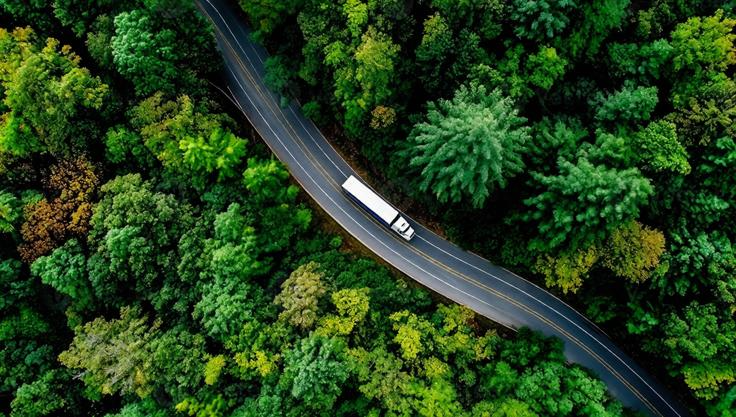
Frequently Asked Questions
Q1: What does it mean when a semi trailer is coasting downhill?
A semi-trailer coasting downhill means the connected tractor-trailer combination is moving downhill under gravity, with the vehicle's speed increasing or being maintained without sufficient engine braking or service-brake control.
A semi-trailer has no independent engine; the tractor provides propulsion and primary speed control. The heavier the combination and the steeper or longer the descent, the greater the braking demand. This situation becomes dangerous when the driver allows the vehicle to accelerate beyond a controllable speed.
Q2: Is it safe to coast downhill in neutral with a semi truck and trailer?
No, drivers should never coast downhill in neutral or with the clutch disengaged in a semi-truck combination.
Coasting removes the engine's braking contribution and can make it difficult or impossible to select the appropriate lower gear once vehicle speed increases. It also places greater demand on the service brakes, increasing the risk of overheating and brake fade. Keep the transmission in an appropriate gear and follow the vehicle manufacturer's downhill-driving instructions.
Q3: What gear should a semi truck use when going downhill with a trailer?
A semi truck should use a sufficiently low gear selected before entering a steep downhill grade.
The correct gear depends on vehicle weight, grade steepness, road conditions, transmission type, and engine braking capability. Drivers should:
-
Reduce speed before starting the descent.
-
Select the appropriate low gear before the vehicle begins accelerating.
-
Follow the engine manufacturer's permitted operating RPM range.
-
Avoid attempting a downshift after road speed has become too high.
Modern trucks may require a lower downhill gear than the gear used to climb the same hill. Always follow the vehicle-specific operating instructions.
Q4: How should a driver control semi trailer speed on a long downhill grade?
A driver should control downhill speed primarily with engine braking and use the service brakes as a supplement.
Before descending, establish a safe speed based on total vehicle weight, grade length, steepness, weather, road surface, and posted restrictions. On suitable vehicles, an engine brake or exhaust brake can help maintain a controlled speed without relying continuously on the service brakes.
Where appropriate for the vehicle and road conditions, commercial driver guidance describes intermittent brake applications: reduce speed below the selected safe speed, release the brakes, and repeat when speed builds back up. The exact technique must follow the applicable driver training and vehicle instructions.
Q5: Why can semi trailer brakes overheat when going downhill?
Semi trailer brakes can overheat when they are used continuously or excessively to control speed on a long or steep descent.
Braking converts vehicle motion into heat through friction between brake pads or shoes and the discs or drums. Excessive heat can cause brake fade, reducing braking effectiveness and increasing stopping distance.
Common contributing factors include:
-
Entering a descent at excessive speed.
-
Selecting a gear that provides insufficient engine braking.
-
Repeatedly applying the service brakes without allowing adequate cooling.
-
Incorrect brake adjustment or worn friction components.
-
Excessive vehicle or cargo weight.
Brake condition, adjustment, and maintenance are therefore essential to safe downhill operation.
Q6: What should a driver do if a semi trailer starts gaining speed downhill?
A driver should maintain control of the vehicle, use the appropriate engine braking and service-brake procedures, and avoid allowing speed to continue increasing.
If the vehicle is still controllable:
-
Follow the vehicle's approved downhill braking procedure.
-
Use the appropriate engine brake or retarder if equipped.
-
Avoid abrupt steering or sudden maneuvers.
-
Do not attempt an unsafe downshift at excessive road speed.
If braking performance is deteriorating or the vehicle cannot maintain a safe speed, treat the situation as an emergency. Look for a designated escape ramp and use it when necessary rather than continuing downhill in an uncontrolled condition.
Q7: What is a runaway truck ramp, and when should a semi trailer use one?
A runaway truck ramp is an emergency stopping lane designed to slow and stop heavy vehicles that have lost effective speed control, commonly on steep downhill routes.
These ramps may use deep gravel, sand, or an uphill section to dissipate the vehicle's kinetic energy. A driver should use an available escape ramp when the truck's brakes cannot safely control the vehicle or a runaway condition is developing.
Drivers should identify escape-ramp warning signs before entering mountain grades. Continuing downhill in the hope that the brakes will recover can increase the risk of a serious collision.
Q8: How can fleet operators prevent downhill coasting and trailer brake failure?
Fleet operators can reduce downhill incidents through driver training, route planning, correct loading, and regular inspection of tractor and trailer braking systems.
A preventive program should include:
-
Driver training: Teach proper gear selection, engine braking, downhill speed control, and emergency escape-ramp procedures.
-
Brake inspections: Check brake adjustment, friction components, air chambers, hoses, and connections.
-
Air-brake system checks: Inspect for leaks, warning-system faults, and abnormal pressure loss.
-
Load management: Keep cargo within rated and legal weight limits and distribute it correctly.
-
Route planning: Identify steep grades, road restrictions, weather hazards, and escape ramps.
-
Maintenance records: Document inspections, repairs, and recurring brake problems.
The tractor and trailer braking systems must work together as a properly maintained combination. Follow the applicable manufacturer maintenance schedules and commercial vehicle inspection requirements.
Conclusion
A semi-trailer combination should never be allowed to coast downhill without effective speed control. Selecting the correct gear before the descent, using engine braking, applying the service brakes appropriately, and maintaining the complete braking system are essential safety practices. If the vehicle becomes uncontrollable, a designated runaway truck ramp may be the safest available option.
Reference sources: