

Overview
A semi trailer Z-Plate generally refers to the Z-Plate® composite dry van trailer manufactured by Stoughton Trailers. It is not a generic name for every semi trailer with a metal plate. The design uses patented poly-laminate side panels with galvanized steel skins and a construction intended to allow individual panel replacement when repairs are necessary.
For fleet managers and commercial trailer buyers, understanding the Z-Plate structure is important when comparing trailer durability, cargo protection, repair requirements, payload, and long-term operating costs. This FAQ explains the main design features, specifications, maintenance considerations, and inspection points to review before purchasing a new or used Z-Plate trailer.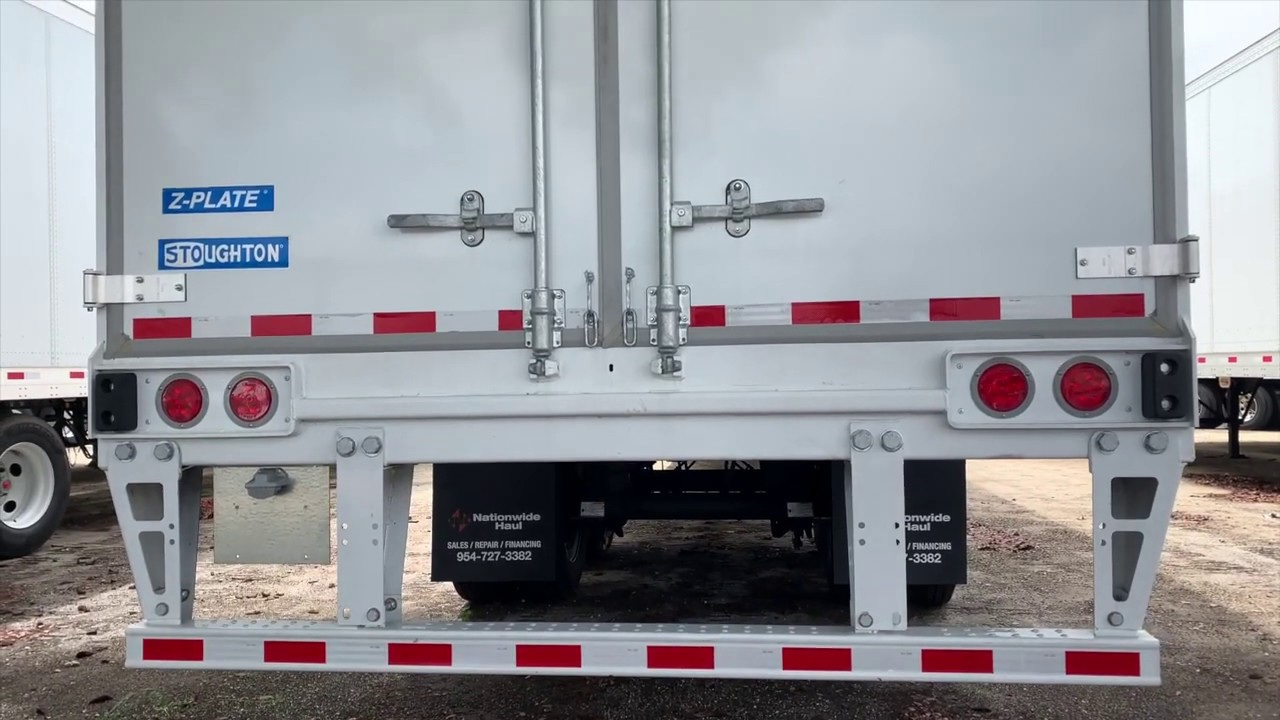
Frequently Asked Questions
Q1: What is a Z-Plate semi trailer?
A Z-Plate semi trailer is a composite dry van trailer manufactured by Stoughton Trailers, featuring specially constructed laminated sidewall panels. Its patented poly-laminate panels use epoxy-coated galvanized steel inner and outer skins, providing a durable enclosed body construction.
Key design features include:
-
Composite sidewall panels designed for commercial freight applications
-
Recessed splice plates with cargo-restraint slots
-
Full-width oak flooring in the manufacturer's published configuration
-
Aluminum scuff protection along the lower interior sidewalls
-
A panel design that allows individual panel replacement without removing adjoining panels
The Z-Plate design is intended to support durability, cargo protection, and repairability in demanding fleet operations.
Q2: What are the standard dimensions of a Stoughton Z-Plate trailer?
A commonly specified Stoughton Z-Plate dry van configuration has a 53-foot body length, 102-inch exterior width, and 13-foot-6-inch overall height. These dimensions describe a published configuration, not every Z-Plate trailer produced.
The manufacturer's specification documents also identify dimensions and configuration details such as:
-
Body length: 53 ft
-
Overall height: 13 ft 6 in
-
Fifth-wheel height: 47 in in the referenced drawing
-
Body height: 116.50 in in the referenced drawing
-
Tandem axle configuration in the illustrated specification
Always verify the trailer's VIN, specification sheet, and actual measurements before ordering replacement parts or arranging transport.
Q3: What is the payload capacity of a Z-Plate semi trailer?
The published Stoughton Z-Plate specification identifies a 27.5-ton payload for the referenced configuration, with a 25,000-lb beam rating per axle. This figure should not be treated as the legal payload of every Z-Plate trailer.
Actual allowable cargo weight depends on:
-
The trailer's specific design and axle configuration
-
Empty trailer weight and installed options
-
Axle, tire, wheel, and suspension ratings
-
Kingpin and fifth-wheel loading limits
-
Tractor capacity and applicable road-weight regulations
Buyers should confirm the manufacturer's rating plate, individual trailer documentation, and legal axle and gross-weight limits in the operating jurisdiction before loading.
Q4: What makes Z-Plate composite panels different from conventional dry van trailer walls?
Z-Plate composite panels use laminated construction with galvanized steel skins, rather than relying on a conventional arrangement of separate exterior wall components. Stoughton describes the panel system as a patented design that supports replacement of damaged panels without removing adjoining panels.
Potential operational advantages include:
-
A durable exterior and interior panel surface
-
Reduced repair disruption when an individual panel can be replaced
-
Protection of the enclosed cargo space
-
A construction designed for commercial freight use
Actual repair time and cost depend on the location and extent of damage, replacement-panel availability, and the repair facility's capabilities.
Q5: What suspension, axle, and braking systems are available on a Z-Plate trailer?
Stoughton Z-Plate specifications describe a tandem-axle configuration with trailing-arm air suspension, sliding axle equipment, and extended-service braking components. Exact equipment can vary by model year, order specification, and installed options.
The published specification identifies features including:
-
Trailing-arm-style air suspension
-
Sliding tandem axle arrangement
-
Extended-service 16½-inch × 7-inch brakes
-
Tapered axle spindles and specified hub configurations
-
Two-speed landing gear
When purchasing a used unit, inspect suspension bushings, air springs, brake chambers, drums, wheel bearings, slider locking mechanisms, and axle alignment. Confirm the installed components against the trailer's original specification and service records.
Q6: How should a Z-Plate semi trailer be maintained?
A Z-Plate semi trailer should be maintained through regular inspections of its composite panels, chassis, running gear, doors, floor, and cargo-restraint equipment. Maintenance intervals and replacement limits should follow the manufacturer's service documentation and the requirements applicable to the operating fleet.
Important inspection areas include:
-
Composite panels: Check for punctures, delamination, cracks, and water intrusion.
-
Lower scuff protection: Inspect for impact damage and loose or damaged components.
-
Flooring: Check oak floorboards for damage, moisture deterioration, and loose sections.
-
Doors and seals: Inspect hinges, locking rods, gaskets, and door alignment.
-
Chassis and suspension: Check for corrosion, cracks, air leaks, and worn components.
-
Brakes and tires: Inspect wear, inflation, adjustment, and overall operating condition.
Any structural panel damage or suspected chassis defect should be evaluated by a qualified trailer repair technician.
Q7: Are Z-Plate trailer panels and components easy to repair or replace?
Z-Plate composite panels are designed to allow individual panel replacement without removing adjoining panels, according to Stoughton's published product information. This design can simplify certain sidewall repairs compared with constructions that require more extensive panel removal.
However, repairability depends on the damage location, panel availability, and the condition of surrounding structural components. Before purchasing a damaged Z-Plate trailer, ask the repair provider to assess:
-
Whether the damage is limited to one panel
-
Whether adjoining panels or structural members are affected
-
Whether replacement panels and compatible hardware are available
-
Whether the repair requires specialized procedures or equipment
-
Whether the repaired trailer can meet applicable roadworthiness requirements
Do not assume that every impact or puncture can be repaired through simple panel replacement.
Q8: What should buyers check before purchasing a used Z-Plate semi trailer?
Buyers should verify the trailer's identification, specifications, structural condition, maintenance history, and legal operating status before purchasing a used Z-Plate. A trailer's Z-Plate designation alone does not establish its condition or remaining service life.
Use this inspection checklist:
-
Confirm the manufacturer, model year, VIN, and specification details.
-
Inspect composite side panels for cracks, punctures, and delamination.
-
Check the floor, scuff protection, doors, and cargo-restraint fittings.
-
Examine the chassis, crossmembers, landing gear, and rear impact guard.
-
Inspect axles, brakes, suspension, tires, and slider mechanisms.
-
Review maintenance records, accident history, and previous repairs.
-
Confirm the rated capacity and applicable registration requirements.
For fleet purchases, compare the trailer's expected repair costs and operating suitability with other dry van options rather than evaluating the purchase price alone.
Conclusion
The Stoughton Z-Plate is a composite dry van trailer designed around laminated sidewall panels and practical repairability. Its dimensions, payload rating, running gear, and installed options must be verified for the specific unit being purchased. For fleet operators, careful inspection of the panels, floor, chassis, suspension, and braking system is essential when evaluating long-term value.