

Overview
A semi trailer wood chipper is a mobile industrial wood-processing machine mounted on a trailer chassis for transportation between forestry sites, landscaping projects, sawmills, and biomass-processing locations. Depending on its design, it may use a drum or disc cutting system, a hydraulic feed mechanism, and an independent diesel engine or another power source. The term can also refer to a large wood chipper transported on a semi trailer, so buyers should confirm the intended configuration.
For contractors and fleet managers, selecting the right machine requires evaluating material size, processing capacity, engine power, feeding system, discharge arrangement, transport dimensions, and maintenance requirements. The following FAQs explain the main technical and commercial factors to consider before purchasing a trailer-mounted wood chipper.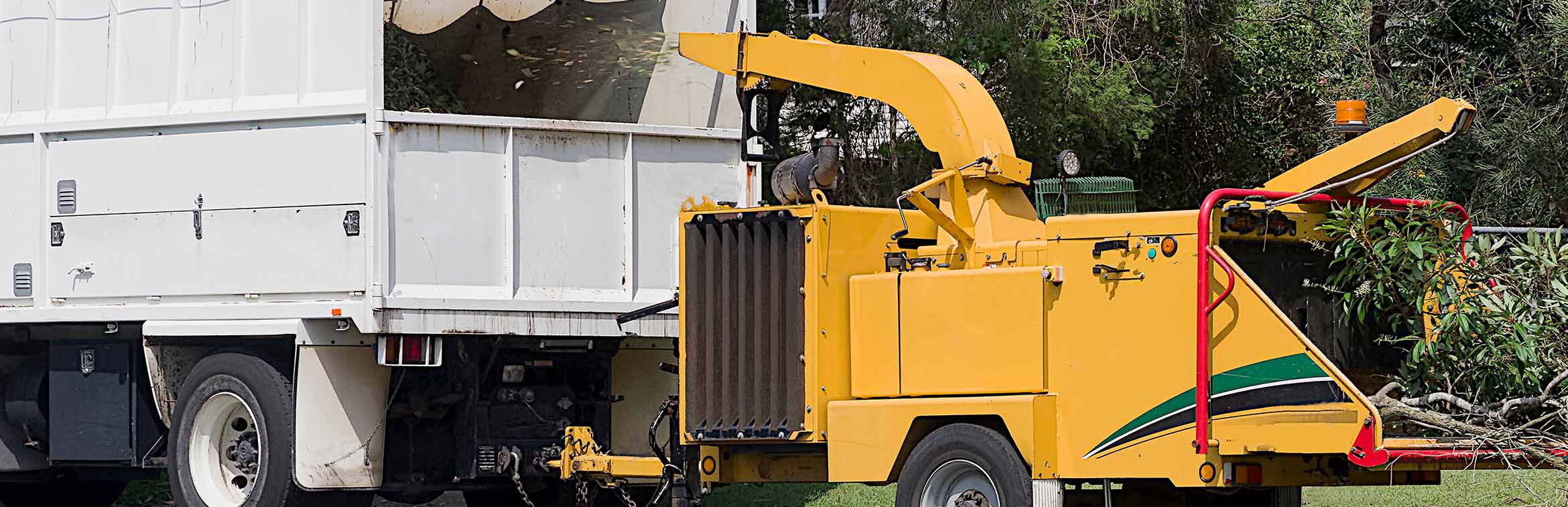
Frequently Asked Questions
Q1: What is a semi trailer wood chipper used for?
A semi trailer wood chipper is used to convert branches, logs, tree limbs, and other woody materials into smaller wood chips for easier handling, transportation, recycling, or further processing. It is commonly used in forestry, tree maintenance, land clearing, landscaping, and biomass operations.
Typical applications include:
-
Processing tree branches and forestry residues
-
Reducing wood waste at construction and landscaping sites
-
Producing wood chips for biomass applications
-
Preparing woody materials for composting or disposal
The suitable machine depends on the type, diameter, moisture content, and volume of material being processed.
Q2: What is the processing capacity of a trailer-mounted wood chipper?
The processing capacity of a trailer-mounted wood chipper depends on its engine power, cutting mechanism, feed opening, material characteristics, and operating conditions. Manufacturers may specify capacity in tons per hour, cubic meters per hour, or maximum material diameter.
Buyers should distinguish between:
-
Maximum infeed diameter: The largest material diameter the machine is designed to accept.
-
Nominal throughput: The manufacturer's stated processing rate under specified conditions.
-
Actual production: The output achieved with the site's material, operator, and feeding conditions.
Request verified performance data for the intended wood species and material size. Do not use maximum infeed diameter as an indication of hourly production capacity.
Q3: What engine power does a semi trailer wood chipper need?
The required engine power depends on the maximum material diameter, desired production rate, cutting system, and wood characteristics. Larger industrial chippers generally require more power to process dense hardwood and larger-diameter logs.
When comparing machines, check:
-
Engine rated power in horsepower (hp) or kilowatts (kW)
-
Diesel engine make and model
-
Fuel consumption under representative operating loads
-
Cooling system suitability for continuous operation
-
Applicable emissions requirements in the destination market
EPA Tier 4 Final or EU Stage V compliance should be confirmed where required by the intended market and application. The engine's official technical documentation should identify its emissions certification.
Q4: What is the difference between a drum wood chipper and a disc wood chipper?
A drum wood chipper uses rotating knives mounted on a cylindrical drum, while a disc wood chipper uses blades mounted on a rotating disc. Both designs process woody material, but their feeding characteristics, chip quality, power requirements, and maintenance procedures can differ.
Key selection considerations include:
-
Drum chipper: Often selected for processing branches, logs, and mixed woody materials, depending on its design.
-
Disc chipper: Commonly used in applications requiring consistent chip production and controlled cutting geometry.
-
Chip quality: Depends on blade condition, cutting geometry, feed rate, and material characteristics.
Buyers should request sample chip specifications and compare performance using the actual feedstock expected at the job site.
Q5: How does the hydraulic feeding system work on a semi trailer wood chipper?
A hydraulic feeding system uses powered rollers or feed components to move branches and logs toward the cutting mechanism at a controlled rate. It helps maintain consistent material feeding and can reduce the need for manual handling.
Before purchasing, check:
-
Feed roller quantity and configuration
-
Maximum feed opening dimensions
-
Hydraulic motor and drive specifications
-
Feed speed control and reversing function
-
Emergency stop and anti-feed safety controls
The feeding system should be matched to the machine's cutting capacity and the dimensions of the materials being processed. Operators must follow the manufacturer's safety procedures and never reach into the feed opening while the machine is running.
Q6: What safety features should a commercial wood chipper have?
A commercial wood chipper should have safety systems that prevent unintended feeding, provide accessible emergency stopping, and protect operators from moving cutting components and discharged material. The exact safety equipment depends on the machine design and applicable workplace regulations.
Important features to evaluate include:
-
Accessible emergency stop controls
-
Feed roller stop and reverse functions where fitted
-
Guards around moving and rotating components
-
Secure discharge chute and adjustable deflector
-
Clearly identified operating controls and warning labels
-
Safe access for inspection and maintenance
Operators should receive machine-specific training and use the personal protective equipment specified by the manufacturer and workplace safety requirements.
Q7: How should a semi trailer wood chipper be maintained?
A semi trailer wood chipper should be maintained through regular inspection of cutting blades, feed rollers, hydraulic components, engine systems, trailer chassis, and safety devices. Service intervals and replacement limits must follow the machine manufacturer's maintenance manual.
Important maintenance tasks include:
-
Inspecting and sharpening or replacing cutting knives as specified
-
Checking blade fasteners, rotor condition, and cutting clearances
-
Inspecting feed rollers, belts, bearings, and drive components
-
Checking hydraulic hoses, fittings, and fluid condition
-
Servicing engine oil, coolant, fuel filters, and air filters according to the engine manual
-
Inspecting trailer tires, brakes, lights, suspension, and coupling equipment
Before clearing blockages or performing maintenance, shut down the machine, isolate all energy sources, and follow the manufacturer's lockout and safety procedures.
Q8: What should buyers consider when purchasing a semi trailer wood chipper?
Buyers should compare processing requirements, engine power, cutting system, feed opening, transport configuration, safety features, and long-term service support. The machine should be selected according to the actual material and production requirements rather than engine power alone.
A practical purchasing checklist includes:
-
Maximum material diameter and expected hourly throughput
-
Drum or disc cutting configuration
-
Engine make, power, fuel consumption, and emissions compliance
-
Hydraulic feed system and control functions
-
Chip discharge height, direction, and chute design
-
Trailer dimensions, axle ratings, braking system, and towing compatibility
-
Cutting blade availability and replacement costs
-
Warranty terms, technical documentation, and after-sales support
Also confirm whether the equipment is a self-powered trailer-mounted chipper or a chipper transported on a separate semi trailer. These configurations have different transport, operating, and towing requirements.
Conclusion
A semi trailer wood chipper provides mobile wood-processing capability for forestry, landscaping, and biomass operations. The most important purchasing factors are material-processing capacity, cutting system, engine performance, feeding safety, maintenance access, and transport compatibility. Buyers should request detailed technical specifications and confirm machine performance against their actual feedstock and production requirements before placing an order.