

Overview
A semi trailer truck is an articulated vehicle combination in which the trailer’s weight and a substantial portion of its payload are carried by the towing tractor through a fifth wheel coupling. For fleet managers and procurement teams, the critical decisions center on matching trailer capacity to legal axle limits, verifying coupling compatibility, and establishing maintenance routines that keep the trailer compliant and roadworthy.
This FAQ addresses the questions that most directly affect a semi trailer purchase, deployment, and service lifecycle. Where values vary by configuration or jurisdiction, typical industry ranges are provided alongside the controlling legal or manufacturer specification.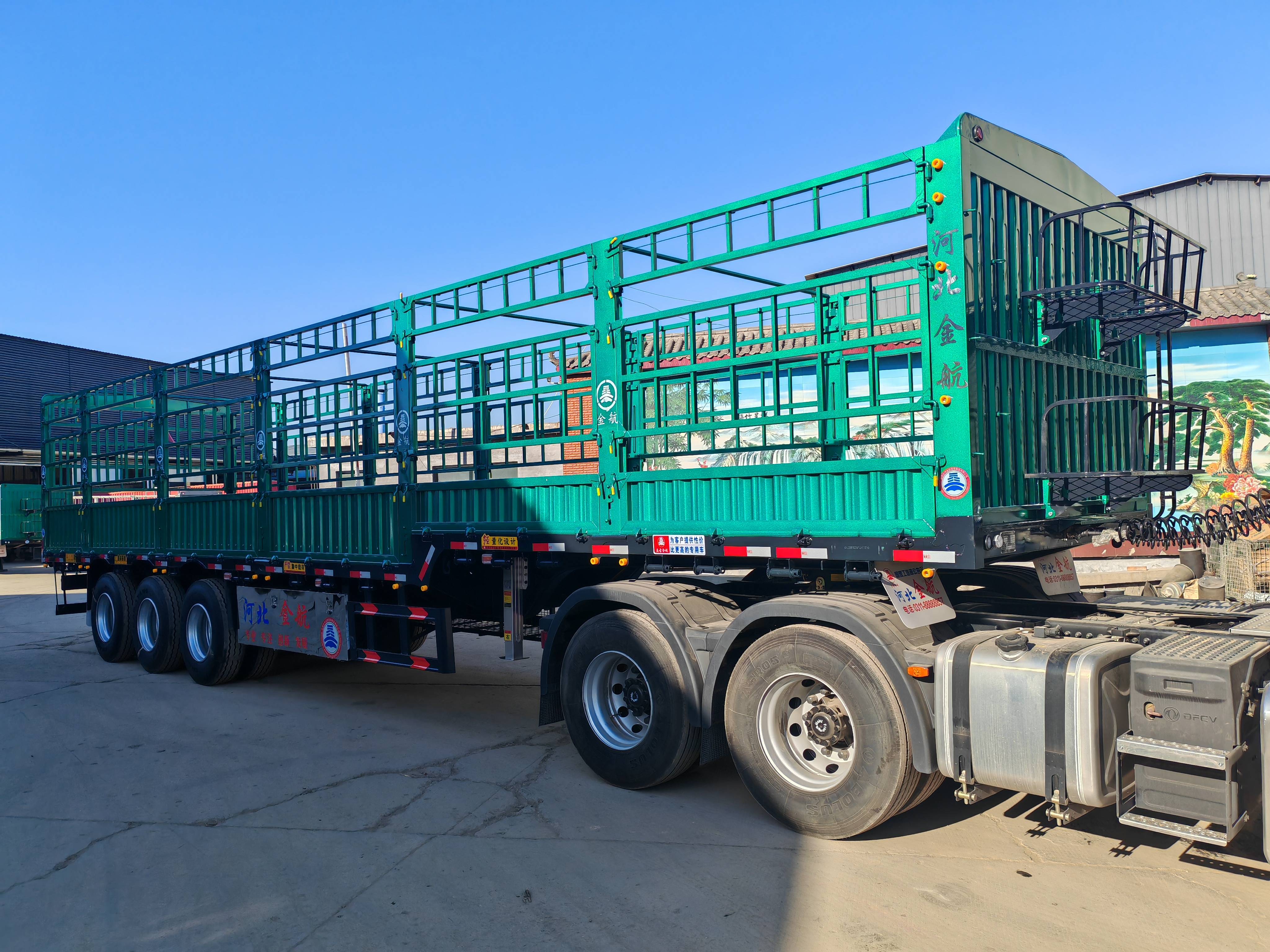
Frequently Asked Questions
What is the typical payload capacity of a semi trailer truck?
The typical maximum payload for a tandem-axle semi trailer operating at a U.S. gross combination weight limit of 80,000 lb is approximately 45,000 lb (about 20,400 kg), with an average working payload closer to 35,000 lb (15,900 kg) when accounting for tractor weight variations and load distribution . These figures assume standard tandem axle configuration and do not represent a legal entitlement for every route.
Payload is governed by the lowest of three limits: the trailer’s rated capacity, the tractor’s gross combination weight rating, and the legal axle and bridge formula limits on the routes the fleet operates. A tridem-axle trailer can reach approximately 65,000 lb maximum payload, but the additional tare weight of the tridem reduces the net gain in some configurations . Fleets should verify the trailer’s data plate rating and the specific axle load limits for their operating jurisdiction before finalizing a specification.
What fifth wheel and kingpin specifications should I verify before purchase?
Verify that the tractor’s fifth wheel and the trailer’s kingpin share the same nominal size and that both components carry valid approval to a recognized coupling standard. The two dominant nominal sizes are 2-inch (50 mm) and 3.5-inch (90 mm), and mismatched sizes cannot be safely coupled.
In markets following UN/ECE or AS/NZS requirements, 50 mm fifth wheels must comply with standards such as UN/ECE Regulation 55 or AS/NZS 4968, and the kingpin must be matched to the same specification . The fifth wheel height and the trailer’s upper coupler height must also be compatible; many trailers allow the landing gear and upper coupler to be adjusted to match the tractor, but this must be confirmed at the specification stage . For fleet standardization, specifying a single kingpin size and fifth wheel standard across tractors and trailers reduces coupling errors and interchangeability problems.
What daily and periodic inspections does a semi trailer require?
A semi trailer requires a daily pre-trip inspection covering tires, lights, brake lines, and coupling security, with scheduled lubrication and torque checks at defined mileage intervals. Daily checks should confirm tire inflation and condition, that all lights and wiring function correctly, and that there are no air leaks in the brake system .
At approximately 5,000-mile intervals, lubricate the upper fifth wheel with multipurpose grease, check suspension bolt torque, and inspect axle alignment relative to the kingpin . Weekly checks should include wheel lug nut torque, axle oil level and seal condition, and rear structure bolt torque . Brake adjustment and lining inspection typically fall in the 10,000 to 25,000-mile range, with more frequent attention for severe-duty operations. These intervals are typical industry practice; the trailer manufacturer’s maintenance manual and any applicable local inspection regulations control the actual service schedule.
How often should semi trailer brakes and air system components be serviced?
Brake adjustment and lining inspection should be performed at approximately 10,000 to 25,000-mile intervals, with air system water drainage weekly and desiccant replacement at defined intervals where an air dryer is fitted. Brake camshafts require lubrication every 5,000 miles, and brake roller shafts, anchor pins, and bushings should be inspected for wear during lining service .
The air system deserves specific attention because moisture contamination is a leading cause of valve and brake chamber failure. Draining the air reservoirs weekly removes condensed water before it can freeze or corrode internal components . Where an air dryer is installed, the desiccant has a finite service life and should be replaced according to the manufacturer’s interval rather than waiting for a pressure-drop symptom. Brake pushrod stroke should be checked against the chamber’s adjustment limit; a stroke exceeding the limit indicates worn linings, a maladjusted slack adjuster, or a mechanical fault that requires correction before the vehicle continues in service.
What are the most common wear components on a semi trailer?
The most common wear components on a semi trailer are brake linings and drums, tires, suspension bushings and leaf springs, wheel seals, and fifth wheel top plates. These items absorb the cyclic loads of loaded operation and are the primary drivers of unscheduled maintenance cost over a trailer’s service life.
Brake linings and drums wear together and should be evaluated as a system rather than replacing one without inspecting the other. Leaf springs commonly develop cracks at the first and second leaves, particularly in high-mileage or overloaded service, and should be inspected monthly for visible defects . Wheel oil seals are a frequent source of leaks that, if ignored, lead to bearing damage and axle failure. Fifth wheel top plates and kingpin locking mechanisms wear from repeated coupling and require periodic inspection for excessive play. Fleets should stock the wear items most relevant to their duty cycle rather than a generic parts inventory.
What warranty coverage is typical for a semi trailer?
Trailer warranty coverage varies significantly by manufacturer and region, and the trailer body, axle, brake system, and other bought-in components may each carry separate warranties from their respective manufacturers. A typical structure separates the trailer structure warranty from component warranties, with axles, ABS/EBS systems, and landing gear often covered by their original manufacturers rather than the trailer assembler.
Fleet buyers should obtain the warranty terms for each major subassembly in writing before purchase and confirm the claim procedure, the required documentation, and whether warranty repairs must be performed at an authorized facility. Consumable items such as tires, brake linings, fluids, and light bulbs are typically excluded from warranty coverage . For fleet standardization, understanding the dealer and service network coverage along the operating routes is as important as the warranty duration itself.
What operating cost factors should fleet managers model for semi trailer trucks?
The dominant operating cost factors for a semi trailer truck combination are fuel, driver pay, equipment financing, maintenance and tires, insurance, and compliance overhead. In current U.S. operating conditions, semi truck operating cost per mile excluding driver pay is commonly modeled in the range of approximately $1.15 to $1.85 per mile, with fuel representing the largest single variable cost at typical fuel consumption of around 7 mpg .
Trailer-specific costs are a smaller but controllable share of the total. Tire selection, brake maintenance intervals, and wheel-end seal reliability are the primary trailer cost drivers a fleet can influence through specification and preventive maintenance. Fleet managers should model cost per mile using their own fuel prices, utilization rates, and maintenance labor rates rather than relying on published averages, because utilization has a substantial effect on fixed cost absorption. A trailer that sits idle still incurs depreciation, insurance, and financing costs, so utilization assumptions should be conservative.
Conclusion
Semi trailer truck procurement and fleet management come down to verifying capacity against legal limits, standardizing coupling interfaces across the fleet, and building a maintenance routine that addresses the wear items most likely to cause roadside violations or unscheduled downtime. Payload figures and maintenance intervals from any source should be treated as planning inputs, not as substitutes for the trailer data plate, the manufacturer’s manual, and the regulations of the jurisdictions the fleet operates in.