WELCOME TO OUR BLOG

We're sharing knowledge in the areas which fascinate us the most
click

Thinking of Digging a Trench? Read This First

By globalmachex March 5th, 2026 42 views

Quick Intro—Why a Trencher Isn't Just a Dumb Digging Machine


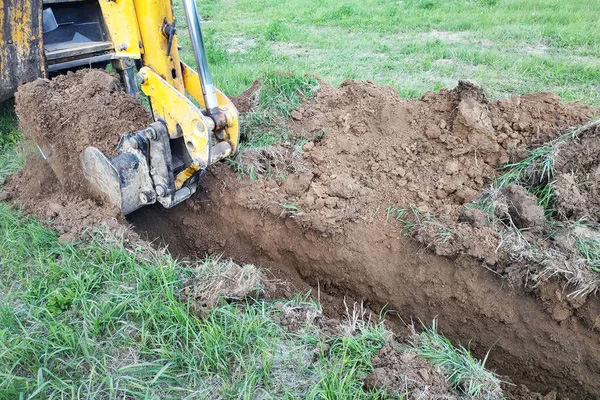
Let's be clear. A trencher is a specialized tool. It's not an excavator with a narrow bucket. It's not a backhoe with a skinny dipper. It's a machine built from the ground up to cut a clean, straight ditch through whatever soil you throw at it.

But here's where people mess up: they think any trencher will do any job. That's like thinking a pickup truck can haul the same load as a dump truck. Technically true, until you try it.

Different trenchers for different ground. Different trenchers for different trench sizes. Different trenchers for different jobs. Pick the wrong one and you'll spend all day fighting the machine instead of working.

And safety? That's not optional. Trenchers kill people every year. Not because the machines are defective, but because someone got careless. Hit a gas line. Hit a power line. Got too close to the spinning teeth. It happens fast.

So let's dig into it—pun absolutely intended.

Answering the Main Question


The Parts That Make a Trencher Work

Before you can pick the right trencher, you need to understand what makes them tick. They're not complicated machines, but the parts matter.

The Cutting Mechanism

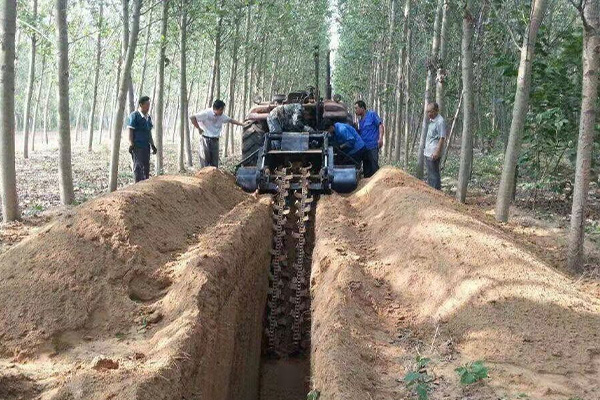
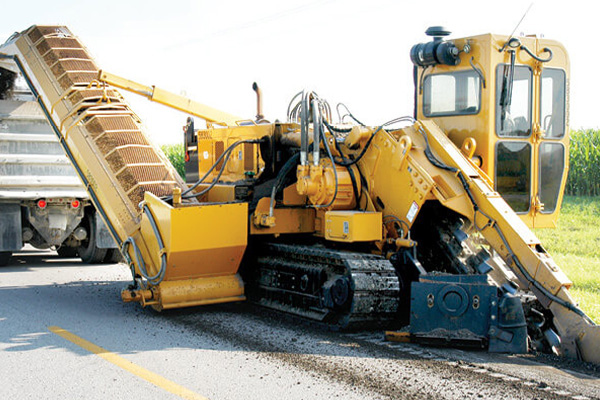
This is the business end. Either a chain with teeth spinning around a bar (like a giant chainsaw) or a wheel with teeth mounted on the rim. The chain digs deep, narrow trenches. The wheel cuts wide, shallow ones fast .

The Engine

Pretty straightforward—it powers the whole show. Bigger engine means more power to cut through hard ground or rock. Smaller engine means lighter machine, easier to move around .

The Conveyor

This is the part that throws the dirt out of the trench so you don't have to scoop it by hand. Some machines have belts, some have augers. Either way, it keeps the trench clean so you can lay pipe or cable without digging it out again .

The Drive System

Tracks or wheels. Tracks are for rough ground, mud, slopes—they grip better and distribute weight so you don't sink. Wheels are for hard surfaces like pavement or compacted gravel, where you need speed and maneuverability .

The Different Types—And Which One You Actually Need

Wheel Trenchers

These are the speed demons. A big wheel with teeth on the edge spins around and cuts a trench as the machine moves forward. They're great for wide, shallow trenches on hard ground—think road construction, laying big pipes, that kind of thing .

They're fast. Like, really fast. But they don't go very deep. If you need a deep, narrow trench, this isn't your machine.

Chain Trenchers

These are the workhorses. A digging chain with teeth spins around a bar, like a giant chainsaw on a stick. They dig deep, narrow trenches—perfect for utility lines, water pipes, electrical conduit .

They handle different soils well, from soft dirt to rocky ground, though rock will eat teeth fast. If you're burying stuff deep, you want a chain trencher.

Micro Trenchers

These are the new kids on the block. Small, compact machines designed for laying fiber optic cable in cities. They cut a narrow slit—just a few inches wide—so you don't have to tear up the whole street .

They're great for urban work where pavement restoration is expensive and residents get cranky when you block traffic. Minimal disruption, maximum speed.

Portable Trenchers

These are the little guys. Walk-behind machines you can tow with a pickup. Perfect for landscaping, small irrigation jobs, running wire to a shed—anything where bringing in a big machine would be overkill .

They're light, easy to maneuver, and cheap to rent. But they're also slow and won't handle rock or hard clay worth a damn.

Trencher Attachments

Got a skid steer or mini excavator already? You can buy a trencher attachment that turns it into a trenching machine. Saves money, saves space in your yard, and lets you use one machine for multiple jobs .

Downside? They're not as purpose-built as a dedicated trencher. But for occasional use, they're hard to beat.

What Do You Actually Use These Things For?

Utilities

This is the big one. Every time you see a crew burying power lines, gas pipes, water mains, or fiber optic cable, there's a trencher involved somewhere . They dig the ditch, lay the pipe, cover it up. Done.

Drainage

Wet yard? Flooding basement? Trenchers dig the trenches for drainage pipe that carries water away from where you don't want it . Farm fields, residential lots, commercial sites—same principle.

Irrigation

Farming uses a lot of water. Trenchers dig the channels for irrigation lines that keep crops alive . Faster than hand digging, and way more consistent.

Road Work

Before you pave a road, you usually need to put stuff under it—culverts, drainage, utilities. Trenchers dig the trenches before the asphalt goes down .

How to Actually Use a Trencher Without Screwing Up


Step One: Pick the Right Machine

Don't guess. Look at your job. 

  • How deep does the trench need to be?
  • How wide?
  • What kind of ground? Dirt, clay, rock, pavement?
  • How long is the trench?
  • Any obstacles? Trees, buildings, existing utilities?
Answer those and you'll know whether you need a wheel, chain, micro, or portable trencher.

Step Two: Call Before You Dig

This is not optional. Hitting a gas line or electrical cable will ruin your entire week—and possibly your life .

In the US, dial 811. They'll mark underground utilities for free. In other countries, find the local equivalent. Do it before you even unload the machine.

Step Three: Inspect the Machine

Walk around it. Check the teeth—are they sharp? Loose? Missing? Worn teeth cut slow and make the machine work harder .

Check fluid levels. Check tracks or tires. Check the conveyor. Make sure nothing's leaking, cracked, or hanging off.

If something's wrong, fix it before you start. Don't be the guy whose machine dies halfway through the trench.

Step Four: Set Up Safe

Clear the area. No bystanders. No kids. No dogs. Just you and the machine .

Know where your utilities are marked. Know where your obstacles are. Plan your route before you start cutting.

Step Five: Run It Right

Start slow. Let the machine find its rhythm. Don't force it—if it's struggling, you might be in rock you didn't expect, or the teeth might be dull .

Keep a steady speed. Jerky movements mess up the trench and stress the machine.

Watch the discharge. The conveyor should throw dirt away from the trench, not back into it.

Step Six: Watch for Hazards

Underground utilities are the big one, but not the only one.

Overhead lines? Keep your distance. If you're running a tall machine near power lines, stay back at least 10 feet—more if the voltage is high .

Slopes? Trenchers can tip, especially on side slopes. Keep the machine as level as you can.

Bad ground? Soft spots, hidden holes, mud—all of it can swallow a wheel or throw off your trench.

Step Seven: Shut Down Safe

When you're done, lower the boom or wheel to the ground. Set the parking brake. Shut off the engine. Pull the key .

Don't leave a running machine unattended. Don't leave it where someone can walk into it. Lock it up if you're leaving it on site.

Summary


Here's the short version:

  • Trenchers dig long, narrow trenches fast and straight. That's what they do.
  • Wheel trenchers are fast and wide. Chain trenchers are deep and narrow. Micro trenchers are for cities. Portable trenchers are for small jobs.
  • Call before you dig. Every time. No exceptions.
  • Inspect the machine before you start. Check teeth, fluids, tracks.
  • Clear the area. No bystanders.
  • Run steady, don't force it.
  • Watch for overhead and underground hazards.
  • Shut down safe when you're done.

Trenchers are simple machines. They cut dirt. But they don't care what else they cut, and they don't care if the ground gives way. Treat them with respect, and they'll make you look like a pro.

Frequently Asked Questions

Q: Can I use an excavator instead of a trencher?

A: You can, but it'll be slower and less precise. Excavators are for digging holes, not long straight ditches. If you've got a long run of trench, a trencher is the right tool .

Q: How do I know if I'll hit underground utilities?

A: You don't, unless you call. In the US, dial 811 a few days before you dig. They'll mark everything for free. In other countries, find the local one-call center .

Q: What kind of trencher do I need for rock?

A: Chain trenchers with rock teeth can handle it, but it's slow and hard on teeth. Sometimes you're better off using a different method—like a rock saw or blasting—if the rock is extensive .

Q: How often should I replace trencher teeth?

A: When they're worn down or broken. Check them daily. Dull teeth cut slow and strain the machine. Sharp teeth cut fast and save fuel .

Q: Can I rent a trencher for a weekend DIY project?

A: Absolutely. Portable trenchers are perfect for homeowners running electrical to a shed, putting in irrigation, or digging drainage. Just get delivery or pick it up with a truck .

Q: What's the most dangerous part of using a trencher?

A: The cutting chain or wheel. It'll chew through anything—dirt, rock, or flesh. Keep your distance, wear the right PPE, and never reach into the trench while it's running .

Changing Tractor Oil? Don't Screw It Up
Previous
Changing Tractor Oil? Don't Screw It Up
Read More
How to Use a Power Tiller: A No-Stress Guide for Beginners
Next
How to Use a Power Tiller: A No-Stress Guide for Beginners
Read More