WELCOME TO OUR BLOG

We're sharing knowledge in the areas which fascinate us the most
click

How to Use a Power Tiller: A No-Stress Guide for Beginners

By globalmachex March 6th, 2026 40 views

Quick Intro—Why You're Probably Overthinking This


Let's be honest. Most gardening tools are straightforward. A shovel digs. A rake gathers. A hose sprays water. But a power tiller? It's got an engine, moving parts, and enough torque to make you wonder if you're about to become a YouTube fail video.

But here's the truth: tillers are designed for regular people, not just farmers with calloused hands and years of experience. They're built to be manageable. The tricky part isn't operating them—it's knowing when to use them, how deep to go, and what to watch out for so you don't hit a rock the size of your head and send the machine into a rodeo dance.

Once you get past the noise and the vibration, it's just a tool. A loud, dirty, satisfying tool.

Answering the Main Question


So What Exactly Is a Power Tiller?

A power tiller is basically a set of spinning blades (called tines) attached to a motor. You push it, the blades spin, and they chew up the ground . That's the simple version.

The more detailed version? It's a machine that breaks up compacted soil, mixes in compost or fertilizer, and creates a nice, loose seedbed for planting . It saves you from spending days with a shovel and a hoe, and it does a more consistent job than you ever could by hand.

Some tillers are small enough to fit in a shed. Others are big enough that you ride on them. For most home gardeners, you're looking at the walk-behind kind—the ones you push, or that pull themselves forward while you hang on.

The Two Main Types—And Why It Matters

Rear-Tine Tillers

These have the spinning blades behind the wheels, meaning the engine is in front. They're heavier, more powerful, and usually self-propelled . If you've got a bigger garden, hard-packed soil, or you're planning to till more than once a year, this is probably what you want.

Some rear-tine tillers have counter-rotating tines (they spin opposite the wheels), which dig deeper and work better on tough ground. Others have forward-rotating tines, which are gentler and better for already-loosened soil .

Front-Tine Tillers

These have the tines in front of the wheels. They're lighter, smaller, and cheaper . You push them forward, the tines dig in, and they pull themselves along. They're great for smaller gardens, softer soil, and anyone who doesn't want to wrestle a 200-pound machine around .

The downside? They're not as powerful, and they can bounce around more if you hit something hard. Your arms will feel it at the end of the day.

What Else Can a Tiller Do?

People think tillers are just for gardens, but they're surprisingly versatile. With the right attachments, you can use them to:

  • Dig furrows for planting rows
  • Hill up soil around plants (great for potatoes)
  • Mix in compost or amendments
  • Weed between rows (carefully)
  • Even power things like water pumps or generators in some cases

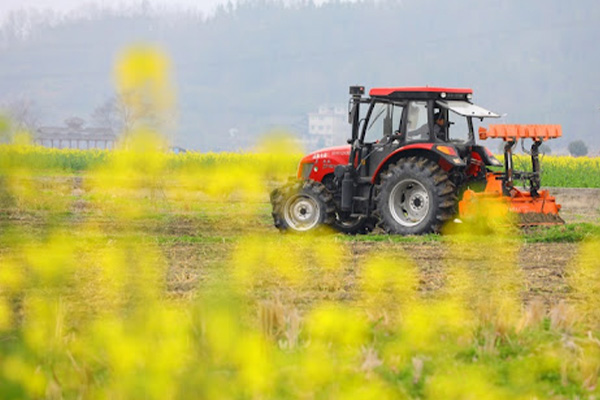
In some parts of the world, they're used as mini tractors—pulling carts, spraying crops, doing all sorts of jobs . They're handy little machines.

How to Actually Use One Without Making a Mess


Step One: Pick the Right Day

Soil moisture matters more than you'd think. Till when it's too wet and you'll end up with clumpy mud that dries into concrete. Till when it's too dry and you'll fight dust clouds and hard clods .

The sweet spot? Grab a handful of soil and squeeze. It should form a loose ball that crumbles when you poke it. If it oozes water, too wet. If it won't ball up at all, too dry.

Step Two: Clear the Area

Walk your garden before you start. Pick up rocks, sticks, anything that shouldn't be there . A rock the size of your fist can stop a tiller cold—or send it lurching sideways if you hit it wrong.

Mark any irrigation lines or buried cables. Yes, even in a garden. You'd be surprised what's under there.

Step Three: Suit Up

Tillers are dirty machines. Wear boots with good traction—not sneakers. Gloves save your hands from vibration and blisters . Eye protection is smart because stuff flies up. And no loose pants or hoodie strings that could get caught in moving parts .

Step Four: Check the Machine

Before you start, look it over. Check the oil. Check the fuel. Make sure the tines are tight and not damaged . If it's been sitting all winter, fresh gas is a good idea—old gas causes problems.

Adjust the tilling depth if your machine has that option. For most first-time tilling, 4 to 6 inches is plenty . You can always go deeper on a second pass.

Step Five: Start It Up

Follow the instructions for your specific model, but generally: turn the fuel on, set the choke, pull the starter cord (or turn the key). Let it warm up for a few minutes before you start digging .

Step Six: Start Tilling

Here's where people get nervous. But it's simple:

Engage the tines. The machine will want to move forward—that's normal. Walk behind it, holding the handles firmly but not death-gripping them. Let the machine do the work .

Go in straight rows, overlapping each pass by a few inches so you don't miss spots. At the end of a row, lift the tines slightly (most tillers have a handle for this) and turn around .

If the tiller tries to bounce or lurch, you might be going too fast or hit something hard. Slow down. Or stop, remove whatever you hit, and try again.

Step Seven: Watch Your Depth

Don't try to go full depth on the first pass. It's better to make two passes—one shallow, one deeper—than to bog the machine down and strain the engine .

Tilt the tiller slightly upward if it's digging too deep. Let it find its rhythm.

Step Eight: Shut Down Clean

When you're done, move the tiller to level ground. Turn off the tines, let the engine idle for a minute, then kill it. Turn off the fuel if your machine has that option .

Clean the tines and underside before you put it away. Wet dirt left to dry turns into concrete and makes next time harder .

Summary


Here's the short version for when you're standing in the shed staring at the tiller:

  • Pick a day when soil is moist but not wet.
  • Clear rocks and debris first.
  • Wear boots, gloves, eye protection.
  • Check oil and fuel before starting.
  • Start shallow, go deeper on second pass.
  • Walk slow, let the machine work.
  • Overlap rows so you don't miss spots.
  • Clean it before you store it.

Tillers aren't complicated. They're just motorized shovels that spin really fast. Respect them, follow the basics, and you'll have the best-looking soil on the block.

Frequently Asked Questions

Q: Do I need a license or special training to use a tiller?

A: Nope. No license required. But read the manual. Every machine is a little different, and the manual knows things you don't .

Q: How deep should I till?

A: For most garden vegetables, 6 to 8 inches is plenty. Carrots and other root crops might want deeper—up to 10 or 12. Lettuce and shallow-rooted stuff only needs 4 to 5 . Don't go crazy deep on the first pass. Work up to it.

Q: Can I use a tiller on a big farm?

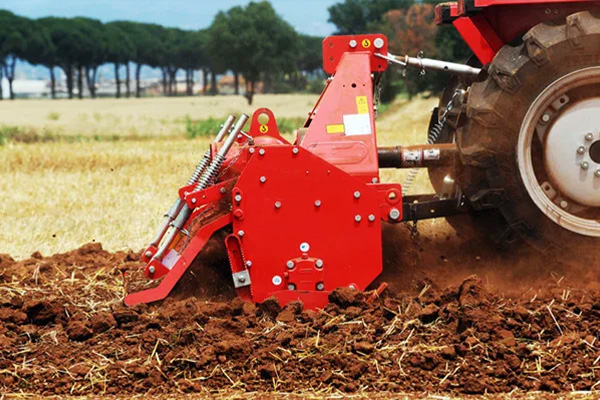
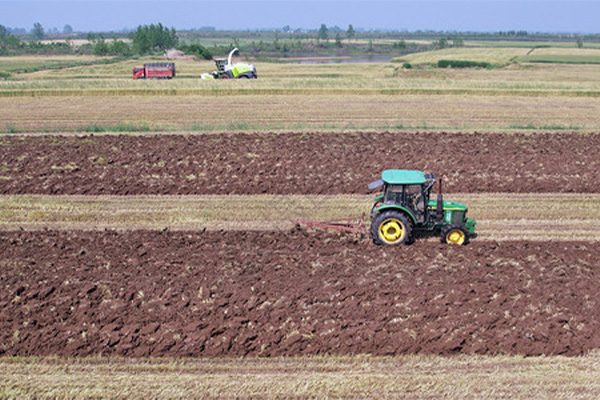
A: You can, but you probably don't want to. For anything over an acre, a tractor-mounted tiller makes more sense . Walk-behind tillers are great for gardens and small plots, but they're slow on big acreage.

Q: What if I hit a rock?

A: Stop. Pull the rock out. Check your tines for damage. Then keep going. Hitting rocks is normal—just don't blast through them like they're not there. That's how things break .

Q: Should I till wet soil?

A: No. Wet soil turns into clumpy mud that dries like bricks. Wait until it's dry enough to crumble in your hand .

Q: How often do I need to sharpen the tines?

A: Check them before each season. If they're dull or chipped, sharpen them or replace them. Dull tines make the machine work harder and don't cut through soil as cleanly .

Thinking of Digging a Trench? Read This First
Previous
Thinking of Digging a Trench? Read This First
Read More
Ball Mill Maintenance: Keeping Your Grinding Circuit Alive When Things Go South
Next
Ball Mill Maintenance: Keeping Your Grinding Circuit Alive When Things Go South
Read More