WELCOME TO OUR BLOG

We're sharing knowledge in the areas which fascinate us the most
click

Magnetic Separation vs. Froth Flotation: Picking the Right Tool for Your Ore

By globalmachex March 14th, 2026 38 views

Quick Intro—Why This Choice Actually Matters


Let's be real. Both machines separate minerals. That's what they do. But how they do it is so different that mixing them up is like comparing a refrigerator to an oven. Both handle food, but you wouldn't use one to do the other's job.

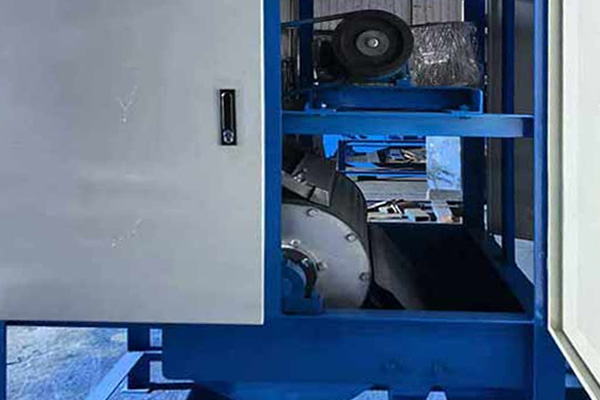
Magnetic separation is physical. If your mineral is magnetic, a magnet pulls it out. Simple.

Flotation is chemical. If your mineral isn't magnetic, you coat it with stuff that makes it stick to bubbles and float to the top.

The ore decides which one works. Not you. Not the budget. Not what's sitting in the yard. The ore.

Answering the Main Question


The Core Difference: Physics vs. Chemistry

This is the part you need to remember. Everything else is details.

Magnetic separation asks one question: "Is this rock attracted to a magnet?" If yes, you can pull it out. If no, you can't . It's a straight physical process. No chemicals, no surface modification, just a magnetic field doing work.

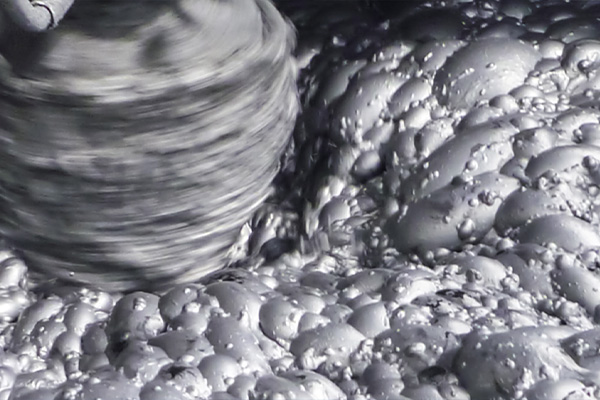
Froth flotation asks a different question: "Can I make this rock's surface hate water?" By adding chemicals, you change how the mineral behaves. Water-repellent minerals stick to air bubbles and float. The rest sink .

One is brute force. One is subtle manipulation.

What Minerals Work with Magnets?

You can't make a rock magnetic. It either is or it isn't.

Strongly magnetic stuff (ferromagnetic) is easy. Magnetite is the classic example. Low-intensity magnetic separators pull it right out, cheap and fast .

Weakly magnetic stuff (paramagnetic) needs stronger magnets. Hematite, ilmenite, chromite—these need high-intensity separators . Also useful for cleaning up industrial minerals like silica and feldspar, pulling out iron contaminants that ruin purity .

If your valuable mineral isn't on that list, magnets aren't your answer.

What Minerals Work with Flotation?

Flotation is for everything else. If it's not magnetic, this is where you look.

Sulfide ores are the bread and butter. Copper, lead, zinc, nickel—their natural chemistry makes them perfect for flotation . Add the right reagents, and they float away from waste rock like nobody's business.

Oxide and industrial minerals are trickier but doable. Some copper oxides (malachite), phosphate, fluorite, potash—they can be floated, but it takes more skill and chemistry .

The key is surface chemistry. Can you make it water-repellent? If yes, flotation might work.

What Does This Stuff Cost?

Money talks. Here's rough numbers so you're not guessing.

Magnetic separators:

  • Low-intensity (magnetite duty): $6,000 to $50,000 depending on size
  • High-intensity (weakly magnetic minerals): $150,000 to $400,000+ for serious machines
 
 Flotation machines (per cell):
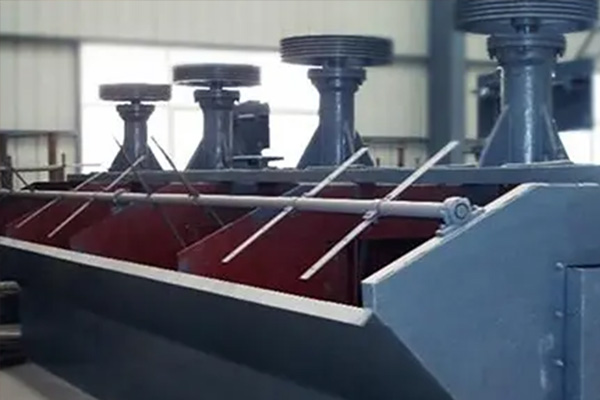
  • Small cells (1-2 m³): $4,000 to $7,000
  • Medium cells (8 m³): $20,000 to $35,000
  • Large cells (20 m³): $70,000 to $120,000

And remember—flotation circuits need multiple cells. One cell doesn't make a plant.

Operating costs are just as different. Magnetic separation mostly costs electricity. Flotation costs chemicals—collectors, frothers, modifiers—and those prices bounce around with the market . If chemical prices spike, your operating cost spikes with them.

Can You Use Both?

Sometimes the smart play is both.

Say you've got copper ore with a magnetic iron sulfide called pyrrhotite. If you go straight to flotation, that pyrrhotite floats with your copper. Now your concentrate is contaminated.

Run it through a magnetic separator first. Pull out the pyrrhotite. Now the non-magnetic stream is clean copper minerals, ready for flotation .

One simple step makes the whole process better. Combining methods isn't cheating—it's engineering.

How to Actually Decide


Step One: Know Your Ore

Not "it's hard" or "it looks kind of shiny." Real data. Mineralogy. What's valuable? What's waste? What are their magnetic properties? Can the valuable minerals be made hydrophobic?

If you don't know, test. Send samples to a lab. Run magnetic separation tests. Run flotation tests. Let the ore tell you what works.

Step Two: Match the Method to the Mineral

If your valuable mineral is magnetic—magnetite, hematite, ilmenite—magnetic separation is your friend. Simple, cheap to run, no chemicals.

If your valuable mineral isn't magnetic but has good flotation chemistry—sulfides, some oxides—flotation is the answer.

If your valuable mineral isn't magnetic and doesn't float well? You've got a different problem. Maybe leaching, maybe gravity. That's another conversation.

Step Three: Run the Numbers

Capital cost. Operating cost. Recovery. Concentrate grade. Don't just look at the equipment price. Look at what it costs to run for a year. Look at what you'll actually recover.

Sometimes the cheaper machine costs more in the long run because recovery is worse or reagent costs are sky-high.

Step Four: Consider Combination

Don't be afraid to use both. If removing a magnetic contaminant makes flotation work better, do it. If floating off sulfides leaves a clean magnetic product, do that. Smart flowsheets use every tool available.

Summary


Here's the short version:

  • Magnetic separation is physical. Flotation is chemical. They are not interchangeable.
  • Magnets work on magnetic minerals—magnetite, hematite, ilmenite, and for removing iron contaminants.
  • Flotation works on minerals you can make water-repellent—sulfides, some oxides, industrial minerals.
  • Magnetic separation costs less to run (mostly power). Flotation costs chemicals, and chemical prices fluctuate.
  • You can use both. Removing magnetic junk before flotation often makes the flotation work better.
  • The ore decides. Not you. Test it and find out.

Picking between magnetic separation and flotation isn't a matter of opinion. It's a matter of mineralogy. Figure out what you're dealing with, and the choice makes itself.

Frequently Asked Questions

Q: Can I use magnetic separation on gold ore?

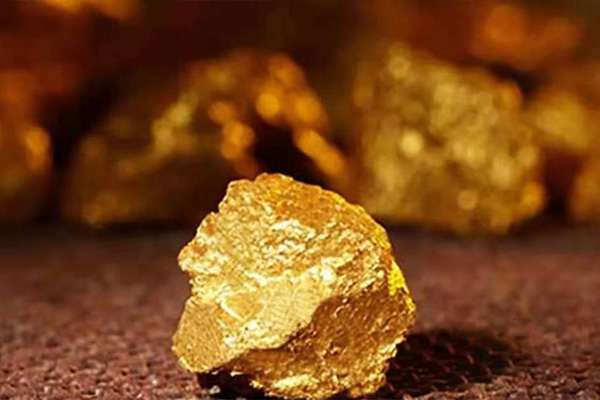
A: Gold itself isn't magnetic. But if your gold is associated with magnetic minerals like magnetite or pyrrhotite, you might use magnets to remove those and upgrade the feed for another process .

Q: What's cheaper to run, magnetic separation or flotation?

A: Usually magnetic separation. No chemicals, less consumables. Flotation reagent costs add up fast .

Q: Do I always need flotation for sulfide ores?

A: Almost always. Sulfides have natural chemistry that makes them perfect for flotation. Other methods usually can't match the performance .

Q: Can flotation work on oxide ores?

A: Yes, but it's harder. Oxide ores need different reagents and more careful control. Sometimes leaching or gravity separation works better .

Q: What's the biggest mistake people make choosing between them?

A: Not testing their ore. Assuming because it worked on one project, it'll work on another. Every ore is different .

Q: How do I know if my mineral is magnetic enough for separation?

A: Magnetic susceptibility testing. A lab can tell you exactly how magnetic your minerals are and what strength separator you'd need .

Crusher Safety: 8 Fatal Risks in Operation
Previous
Crusher Safety: 8 Fatal Risks in Operation
Read More
Froth Flotation: How Bubbles Sort Your Minerals and What It Takes to Make It Work
Next
Froth Flotation: How Bubbles Sort Your Minerals and What It Takes to Make It Work
Read More