If you ask most operators what's dangerous about a crusher, they'll say the obvious stuff. Moving parts. Flying rock. High voltage. And yeah, that's all true. But the real danger isn't the machine—it's the mindset.
The mindset that says, "I've done this a thousand times."
The mindset that says, "It'll only take a second."
The mindset that says, "I don't need to read the manual."
Crushers punish that mindset. Not with a warning. Not with a second chance. With a bang, a scream, and a very bad day.
Most crusher accidents aren't caused by mechanical failure. They're caused by human error. Someone got too close. Someone skipped a step. Someone thought they were smarter than the machine. And the machine proved them wrong.
The good news? Every single one of those mistakes is preventable. Not with expensive gear or complicated systems. With basic discipline. With paying attention. With treating the machine like the killer it can be.

The Mistake:
Guy's been running crushers for years. He's seen it all. So when a new machine shows up on site, he figures it's the same as the last one. Maybe he skips the site-specific training. Maybe he just wings it. Then he feeds it wrong, jams it up, and suddenly the crew loses half a day while they pull it apart.
Or worse—he doesn't know where the emergency stops are when something goes sideways.
How to actually fix it:
Training isn't optional. It's not for new guys. It's for everyone, every time. Different crushers have different quirks. Different feed sizes. Different danger zones. If you're running it, you need to know it—not just kinda sorta, but really know it. And keep records. When something goes wrong, write it down. That paper trail catches problems before they catch you.
The Mistake:
"She's running fine." Famous last words. Oil levels get low. Grease fittings dry out. Wear parts get thin. But nobody checks because nobody has time. Until the bearing seizes. Until the liner cracks. Until the machine stops running fine and starts running expensive.
How to actually fix it:
Maintenance is a schedule, not a feeling. Check fluids. Check temps. Check pressures. Check wear. Every shift. Not when you remember. Not when you have a minute. Every shift. And keep the area clean—spilled grease and loose rocks are accidents waiting to happen. Make a checklist. Use it. If it's not written down, it didn't happen.
The Mistake:
Operator looks at the hopper, looks at the pile, and thinks, "That looks about right." Then he dumps in a load that's too big, too fast, or too much. The crusher chokes. Material backs up. Now you're down, digging out a mess that never should've happened.
How to actually fix it:
Feeding a crusher isn't guesswork. It's technique. Choke feed. Trickle feed. Whatever the machine needs for the stage it's in. And PPE—always. Eye shields aren't optional when rocks are flying. Safety belts aren't optional when you're working near an open hopper. And guards? They're on for a reason. If it's off, the machine doesn't run. Period.
The Mistake:
Operator's out in the open, breathing in whatever the crusher kicks up. Day after day, year after year. Doesn't seem like a big deal—until it is. Silica dust doesn't kill you fast. It kills you slow. And by the time you notice, it's too late.
How to actually fix it:
Isolation. Get the operator out of the dust. Enclosed cab with good seals. Windows that actually close. Air filtration that actually works. Heating and cooling so they don't crack a window for fresh air—and let dust in. And keep that cab clean. Dust settles. Then you kick it up again. Vacuum it. Wipe it down. Make the cab a safe zone, not a dust collector.
The Mistake:
Crusher's running, dust is flying, and nobody thinks to wet it down. Why bother? It's just dust, right? Wrong. That "just dust" is full of silica. And silica, ground fine enough to breathe, scars your lungs for life.
How to actually fix it:
Wet it. Spray it. Use nozzles positioned to soak the material before it breaks. Not a mist—mists just make mud that floats. Big droplets. Enough water to wet the rock, not waste water. It's not complicated. It's not expensive. It's just necessary. If you're not suppressing dust, you're poisoning your people.
The Mistake:
End of shift. Operator's tired. Shuts it down, climbs off, heads home. Doesn't follow the sequence. Doesn't clear the material. Doesn't clean up. Next morning, the next guy shows up to a mess—or worse, a machine that starts up wrong because material was left where it shouldn't be.
How to actually fix it:
Shutdown is a process, not a moment. Follow the steps. Every time. Shut down the feeder. Clear the material. Shut down the crushers in order. Kill the magnet. Shut off the dust collector. Close the water valve. Then—and only then—clean up. Greasy platforms? Clean them. Spilled material? Move it. End-of-day cleanup isn't busywork. It's safety. Skip it, and someone's going to slip first thing in the morning.
The Mistake:
Operator treats every crusher the same. Primary, secondary, tertiary—doesn't matter. Same feed. Same technique. Same attitude. Then the primary can't handle what he's giving it, or the secondary gets material that's too big, or the tertiary produces garbage instead of product.
How to actually fix it:
Know what each crusher does. Primary breaks big stuff down so secondary can handle it. Secondary refines it so tertiary can finish it. Tertiary makes the final product. Different stages need different feeding. Different settings. Different attention. If you don't know which stage you're running, you don't know what you're doing.
The Mistake:
"It's all just crushers." No. No it's not. Jaw crushers aren't gyratory crushers. Cone crushers aren't impact crushers. They work differently. They break differently. They fail differently. Treat them the same, and you'll find out the hard way.
How to actually fix it:
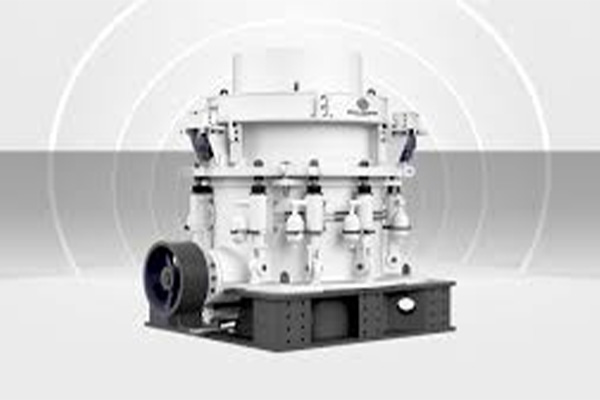
Learn the machines. Jaw crushers are for primary—they crush with brute force. Gyratory crushers use compression, great for primary or secondary. Cone crushers also use compression, can handle wet or dry. Impact crushers are for less abrasive stuff—they smash with blow bars and plates. Each one has its place. Each one has its rules. Know them. Or let someone else run them.

Look, crushers aren't complicated. But they're not forgiving. They don't give second chances. They don't care if you're having a bad day or if you're running late or if you've done this a thousand times.
Every mistake we talked about? Someone made them. Someone got hurt because of them. Someone's family got a phone call they'll never forget.
Don't be that someone.
Follow the training. Do the maintenance. Use the PPE. Keep it clean. Shut it down right. And for God's sake, respect the machine. Because it doesn't respect you.