

The Situation: Indonesia's Coal Boom Meets a Technical Wall
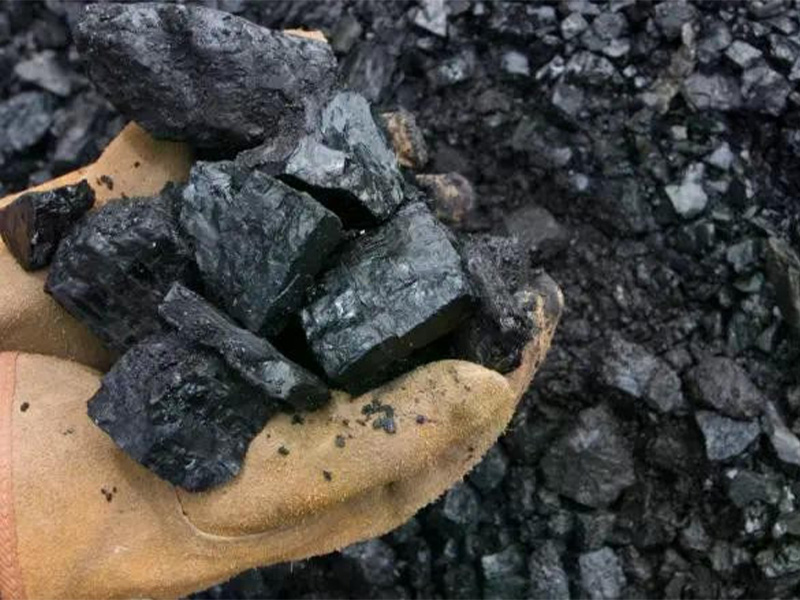
Indonesia is the world's biggest thermal coal exporter. That's not new. What's new is what's happening underground. Mines are getting deeper. Seams are getting trickier. And the coal itself—soft, sticky, high-moisture lignite—has always been a pain to move long distances without clogging everything up .
Add in the humidity. Underground in Kalimantan, you're not just fighting rock. You're fighting corrosion. Equipment that lasts a decade in a dry climate might rust out in three years here. The combination of sticky coal, long distances, and tropical conditions has been a hard ceiling on how long you can make a single conveyor run .
Until now.
The Sumber Daya Energi mine, operated by Hong Kong-listed China Qinfa, has been ramping up hard. Raw coal output jumped from 2.6 million tonnes in 2024 to 5.4 million tonnes in 2025 . They're expanding a wash plant from 8 million tonnes annual capacity to 13 million by next month . They're building SDE Mine 2, designed for 10 million tonnes a year, targeting startup in April . And they're in talks with a state partner to develop TSE Mine 1, another 8-to-10-million-tonne operation .
You don't build that kind of capacity without solving the logistics underground. Which brings us back to the conveyor.
What They Actually Built
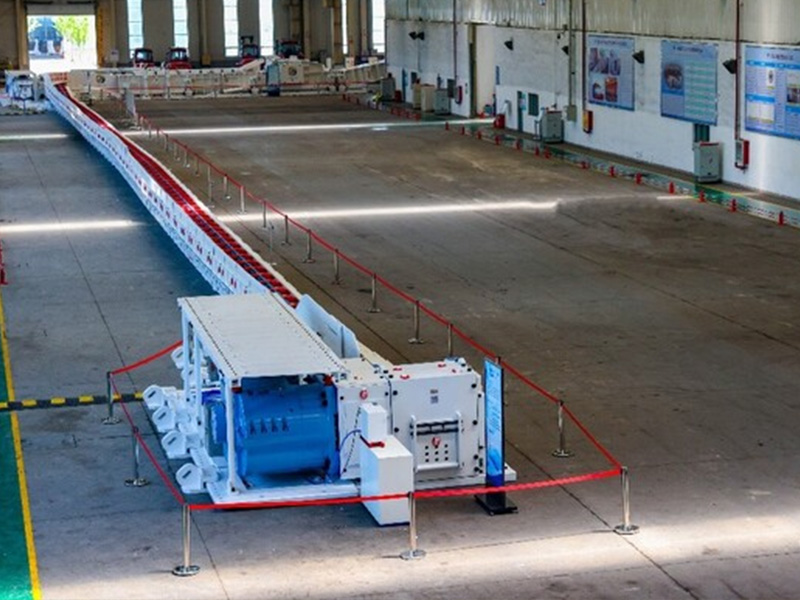
The system comes from Zhangjiakou Mining Machinery, a China Coal subsidiary that's been quietly supplying heavy equipment to mining operations across Asia, Australia, and Eastern Europe for years . This particular setup is a full longwall face conveyor—scraper chain running the whole length of the working face, feeding into crushers and transfer systems that all have to work in perfect sync .
Specs matter here:
- Conveying capacity: >3,000 tonnes per hour
- Installed power: 3 × 2,000 kW
- Chain system: Φ60 equal-pitch, handling 2,400 kN·m torque
- Speed control: Adaptive intelligent system that adjusts based on load
The engineering trick is in the scraper design. They shaved about 6% off the weight compared to conventional setups . That doesn't sound huge, but on a 550-meter face, lighter means less drag, less idle power consumption, and less heat buildup. In Indonesian conditions, where corrosion is already working against you, reducing mechanical stress buys you years of extra life.
They also bumped the materials up to 1,500 MPa-grade steel in critical wear points . Chain sprockets, traditionally a weak spot in longwall systems, got redesigned as maintenance-free high-wear components .
China Coal claims the system could add "million-tonne-level" annual production gains just from running smoother and breaking down less . That's the kind of math mine operators understand.
Why This Project Is Different
A couple of things make this worth watching beyond the engineering.
First, it's not just equipment sales. China Coal assembled the main structure locally in Indonesia before dropping it underground . That's a shift from "we built this in China, ship it" to "we built this with local hands, install it together." Partial localization matters when you're dealing with countries that want capability transfer, not just hardware.
Second, this is the second major Indonesia deal in under a year for Zhangjiakou. In February 2026, they signed another contract worth over 200 million yuan—$30 million-ish—to supply similar 550-meter systems, this time as a full engineering, procurement, and construction package . That includes not just the conveyor, but the shearer, emulsion pump station, and all the installation and commissioning work .
The model is shifting: from selling boxes to selling uptime. Zhangjiakou now talks about "equipment + installation + technical service + operation maintenance" as the standard package . They've set up 24-hour response teams and local service networks . For operators in remote parts of Kalimantan, having a Chinese OEM that can put boots on the ground in hours instead of weeks changes the risk calculation.
What's Happening at Qinfa's Indonesian Operations
The conveyor is going into a mine complex run by China Qinfa, which has been on an expansion tear that doesn't get much attention outside industry circles.
Here's the snapshot from their 2025 results and recent announcements:
- SDE Mine 1 (existing) produced 5.42 million tonnes raw coal, 3.15 million tonnes washed coal in 2025
- Wash plant expansion from 8Mtpa to 13Mtpa due April 2026
- SDE Mine 2 (new) targeting 10Mtpa, same April 2026 timeline
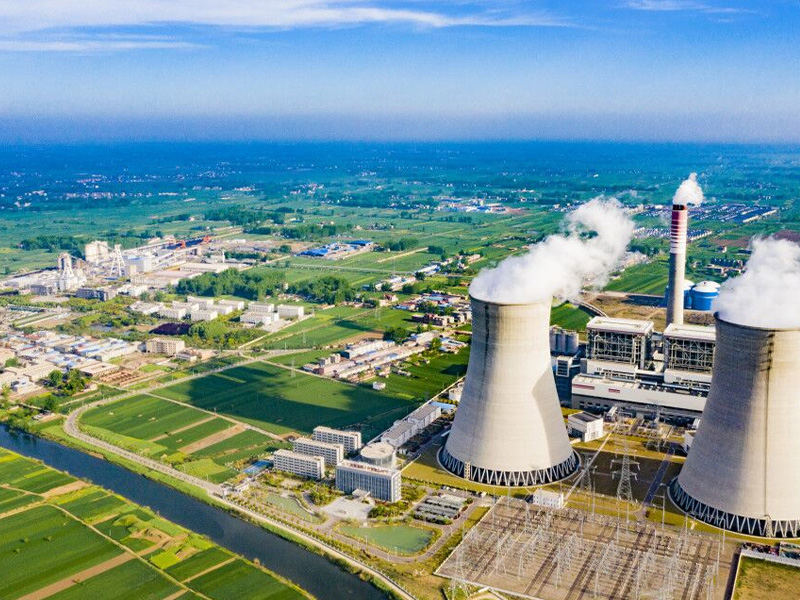
- TSE Mine 1 in planning, 8-10Mtpa potential, 897 million tonnes total resource
- Raised HK$309.6 million in March 2026 to fund Indonesian mine development
That's a lot of new coal capacity coming online in a short window. And all of it needs to move underground before it ever sees a ship.
The Bigger Picture: Chinese Mining Tech Going Global
Zhangjiakou's Indonesia push is part of a broader trend. Chinese mining equipment manufacturers have been quietly expanding overseas for years, but the nature of the business is changing.
It used to be about price. Chinese gear was cheaper, and you got what you paid for. Now the conversation is shifting to capability. The 550-meter conveyor isn't just long—it's smart. The adaptive speed control, the lightweight scraper design, the high-strength materials—these are solutions to specific problems that Indonesian operators have been dealing with for decades .
The company has also been chasing certifications that matter in Western markets. They passed ISO 3834 for welding quality, got EU certification for their conveyor pans, and have been supplying Australian mines with custom chain products for over a decade . That's not accidental. It's a strategy to be credible anywhere, not just in markets where price is the only differentiator.
What Comes Next
The 550-meter mark won't stand forever. Someone will push to 600, then 700. But right now, this installation matters because it proves something about operating in tough conditions.
If you can move sticky, wet coal 550 meters underground in Kalimantan without constant clogs and breakdowns, you can probably do it anywhere. And if you can build the equipment, install it with local crews, and keep it running with regional support teams, you're not just a supplier anymore—you're part of the operation.
For China Qinfa, having this gear in place means their expansion plans have a fighting chance. For Zhangjiakou, it's a reference site that opens doors across Southeast Asia. And for anyone watching the mining equipment space, it's a sign that the center of gravity in heavy underground gear is shifting east.
Frequently Asked Questions
Q: What exactly is a 550-meter longwall conveyor?
A: It's a continuous chain-and-pan system that runs the entire length of an underground coal mining face—550 meters end to end. Coal falls onto it and gets carried out to transfer points. Most longwall conveyors top out around 300-400 meters. This one pushes past that .
Q: Who built it?
A: Zhangjiakou Mining Machinery, a subsidiary of China Coal Energy Group. They designed and manufactured the system, then shipped it to Indonesia for assembly .
Q: Where is it installed?
A: At a China Qinfa-operated mine in South Kalimantan, Indonesia—likely the Sumber Daya Energi (SDE) complex, which is in the middle of a major expansion .
Q: How much coal can it move?
A: Over 3,000 tonnes per hour, driven by 6,000 kW of installed power across three motors .
Q: Why does length matter?
A: Longer faces mean fewer moves. Every time you have to stop production to shift equipment, you lose days. A longer conveyor lets you mine continuously for longer stretches before resetting. In Indonesian conditions, the challenge is keeping sticky coal flowing without jams over that distance .
Q: Is this a one-off, or are there more coming?
A: Zhangjiakou signed another contract in early 2026 to supply similar 550-meter systems to Indonesia, this time as a full EPC package worth over 200 million yuan .
Q: Does this mean Chinese mining equipment is now competitive with Western brands?
A: In underground coal, Chinese manufacturers have been competitive on price for years. The shift now is toward capability—matching or exceeding Western specs on length, power, and reliability, with local service networks to back it up .