

Overview
The term "utility semi trailer" does not have a single fixed definition in the way that "flatbed" or "dry van" does. In commercial listings, it most often describes a general-purpose semi trailer with a box body or side-wall configuration, used for cargo that needs containment or weather protection but not temperature control. In regulatory language, "utility trailer" can mean something narrower—a trailer used solely for personal property and below a certain weight threshold—and that distinction matters when a fleet is registering or insuring the unit.
This FAQ addresses the configurations that appear under the utility semi trailer label, the payload and dimension ranges that buyers encounter, and the verification steps that prevent a procurement mistake. Figures are drawn from published product listings and regulatory definitions; the trailer data plate and the applicable registration authority control the specific unit.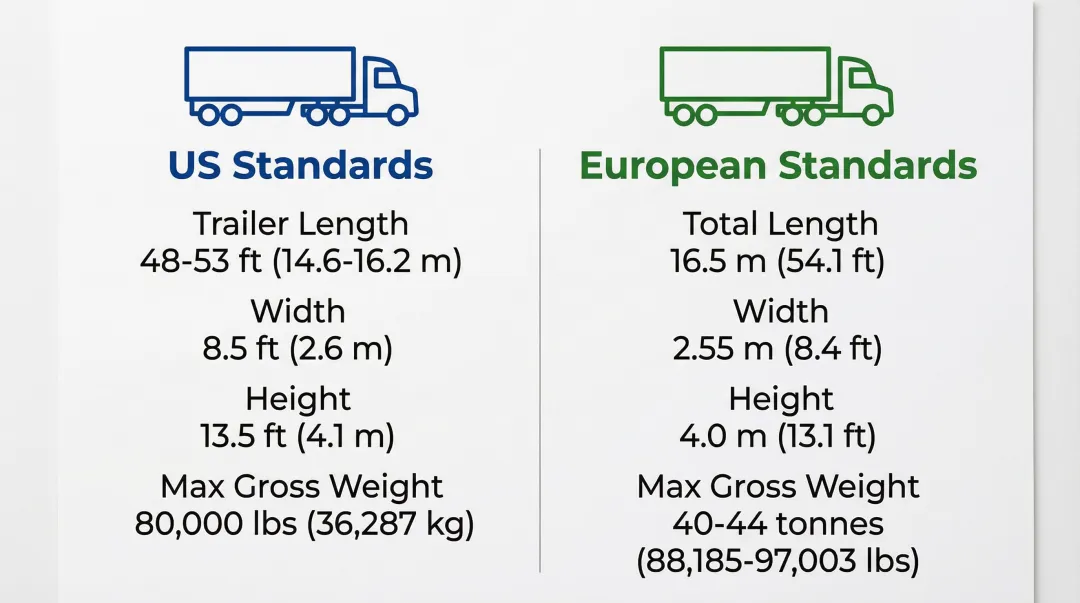
Frequently Asked Questions
What is a utility semi trailer?
A utility semi trailer is most commonly a general-purpose cargo semi trailer with a box or side-wall body, distinguished from specialized trailers such as tankers, lowboys, or car haulers. In commercial product listings, "utility box" or "utility van" semi trailers are offered with 3 or 4 axles, payloads around 40 tons, and side-wall heights that allow crane or forklift loading from the side .
The term requires care because it overlaps with a different regulatory category. Some jurisdictions define a "utility trailer" narrowly as a trailer used solely for personal property below a weight limit—California, for example, caps it at 10,000 pounds gross weight and excludes commercial use . A commercial semi trailer operating in interstate freight is not a regulatory utility trailer even if a seller lists it under that label. Buyers should confirm the classification that applies to their intended use and registration.
What payload capacity does a utility semi trailer offer?
A utility box or side-wall semi trailer in the commercial listings typically carries around 40 tons, with a tare weight of approximately 9,000 kg . Some listings quote a broader loading capacity range of 40 to 60 tons depending on axle configuration and body specification.
The payload figure is a ceiling, not a legal entitlement. The legal payload on any route is governed by axle load limits and gross combination weight regulations. A 3-axle configuration with 13-ton axles has a theoretical axle capacity of 39 tons, which is consistent with a 40-ton payload rating under ideal load distribution; a 4-axle configuration provides more margin. Fleets hauling dense cargo should verify the axle ratings on the data plate rather than relying on the headline payload figure.
What are the common configurations of a utility semi trailer?
The two dominant configurations in the utility semi trailer category are the box/van body and the side-wall open-top body. A box or van body is fully enclosed, with side walls and a roof, suitable for general freight that needs weather protection . A side-wall trailer has an open top with fixed or drop sides, allowing crane loading while retaining side containment for loose or palletized material .
A representative 3-axle utility box trailer lists a side wall height of 2,000 mm, a 3 mm checkered plate floor, and Q345 high-tensile steel main beams with a 500 mm height and 14/16 mm flanges . The side-wall variant typically uses thinner Q235 steel for the walls and a heavier bottom plate, reflecting the different loading method and structural demands. The choice between them follows the loading equipment and the cargo's need for weather protection.
What axles and running gear are specified on utility semi trailers?
Common utility semi trailer specifications include FUWA or BPW axles rated at 13 tons or 16 tons, mechanical suspension, and 12R22.5 tires on 9.0-22.5 rims . Braking is typically WABCO relay valve with T30/30 spring brake chambers, and ABS is often listed as optional.
The axle and suspension specification is where procurement diligence pays off. A 3-axle trailer with 13-ton axles is a different asset from one with 16-ton axles, even if the body dimensions and payload rating appear identical. The suspension type—mechanical leaf spring versus air—affects ride quality and cargo protection but also adds maintenance complexity. Fleets should confirm the axle brand, rating, and suspension type on the written specification sheet rather than accepting a generic description.
How does a utility semi trailer differ from a standard dry van?
A utility semi trailer in the box configuration is structurally similar to a dry van but is typically marketed for general cargo and construction materials rather than the long-haul dry freight market. The key differences appear in the specification priorities: utility box trailers often list side-wall thickness and floor plate thickness prominently, reflecting use with forklifts and loose materials, while dry vans emphasize internal cube, door opening dimensions, and pallet capacity .
The distinction is not absolute. A fleet that needs a weather-protected trailer for palletized goods should evaluate a utility box trailer against a standard dry van on the same criteria: internal dimensions, payload, floor condition, and door hardware. The label on the listing does not determine suitability—the specification sheet does.
What should I verify before buying a utility semi trailer?
Verify the axle ratings, suspension type, body construction, and registration classification before committing. The utility semi trailer category contains enough variation that two units with the same nominal payload can differ substantially in the components that determine service life.
The verification checklist should include:
-
Axle brand and rating: Confirm 13T or 16T, and whether the brand is FUWA, BPW, or another manufacturer .
-
Suspension: Mechanical or air, and the leaf spring specification if mechanical.
-
Body construction: Side-wall thickness, floor plate thickness, and main beam dimensions.
-
Brake system: Chamber size, relay valve brand, and whether ABS is fitted.
-
Registration classification: Confirm with the local motor vehicle authority whether the unit will be registered as a commercial trailer or under a utility trailer definition, because the threshold varies by jurisdiction .
-
Kingpin and landing gear: Confirm the kingpin size matches the fleet's tractors and the landing gear capacity is adequate.
Conclusion
Utility semi trailer procurement comes down to recognizing that the label covers a range of general-purpose cargo configurations—box bodies and side-wall open-top trailers—rather than a single standardized product. The common specification is a 3- or 4-axle trailer with 13T or 16T axles, a payload around 40 tons, and a body built for forklift or crane loading. The two verification steps that matter most are confirming the axle and body specification on paper, and confirming the registration classification with the local authority, because the "utility" label carries different meanings in commercial listings and regulatory language. The trailer data plate and the manufacturer's specification sheet remain the controlling references for every purchase.