

Overview
A tanker semi trailer is a specialized trailer designed to transport liquids, gases, or certain bulk materials in a dedicated tank structure. Depending on its engineering design and intended cargo, it may be used for fuel, water, chemicals, food-grade liquids, or other industrial materials. Tank configuration, materials, pressure rating, compartment layout, and safety equipment vary according to the transported substance.
For fleet operators and procurement managers, selecting the correct tanker requires more than comparing tank volume and purchase price. Buyers must evaluate cargo compatibility, gross vehicle weight, axle configuration, discharge equipment, regulatory requirements, maintenance access, and the operating conditions in the destination market.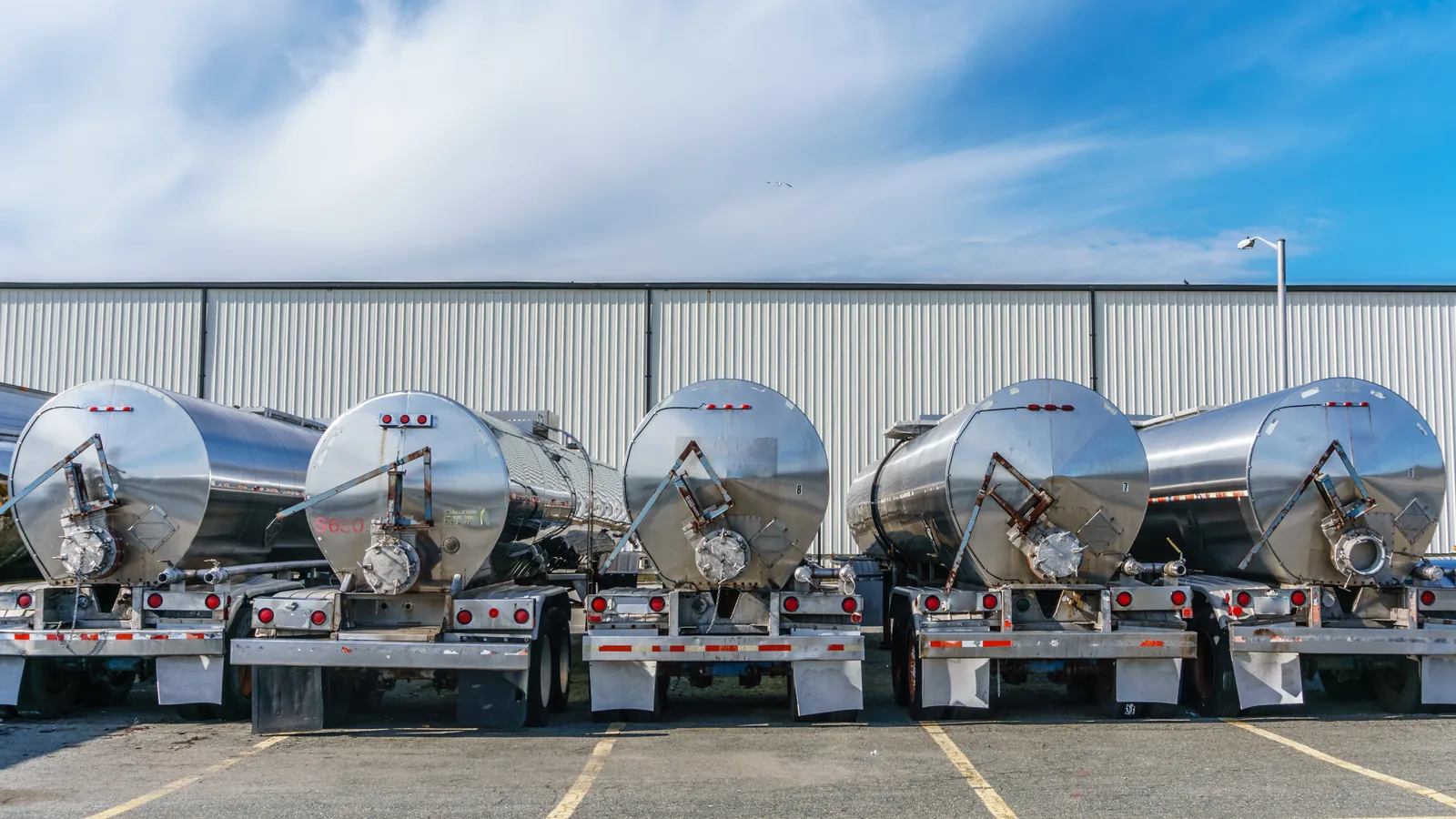
Frequently Asked Questions
Q1: What types of tanker semi trailers are available?
Tanker semi trailers are available in different configurations for transporting specific types of liquids, gases, and bulk materials. The correct type depends primarily on cargo properties, loading and unloading requirements, and applicable transport regulations.
Common categories include:
-
Fuel tanker trailers: Designed for transporting petroleum products such as diesel and gasoline.
-
Water tanker trailers: Used for potable water, industrial water, and water distribution, with suitable tank materials and internal coatings where required.
-
Chemical tanker trailers: Designed with cargo-compatible materials, seals, valves, and safety systems.
-
Food-grade tanker trailers: Used for milk, edible oils, and other food liquids, with appropriate hygienic surfaces and cleaning provisions.
-
LPG or gas tanker trailers: Specialized pressure vessels designed for liquefied gases under specified operating conditions.
A tanker designed for one cargo type should not be assumed suitable for another without confirming material compatibility and regulatory approval.
Q2: How do buyers determine the correct tanker trailer capacity?
The correct tanker capacity depends on the required cargo volume, liquid density, legal gross combination weight, axle-load limits, and tank design. A larger tank does not necessarily mean a larger usable payload because heavier liquids may reach the permitted vehicle weight before the tank is full.
Buyers should calculate capacity using:
-
Required cargo volume in liters or cubic meters.
-
Cargo density and maximum loaded weight.
-
Tank tare weight and trailer gross vehicle weight rating.
-
Axle-group ratings and permitted road loads.
-
Available tractor capacity and legal combination weight.
The manufacturer's rated capacity and the applicable transport regulations must control the final loading limit.
Q3: Which materials are used to manufacture tanker semi trailers?
Tanker semi trailers are commonly manufactured using carbon steel, stainless steel, aluminum alloys, or specialized material systems selected for the cargo and operating conditions. Material selection affects corrosion resistance, structural strength, tare weight, cleaning requirements, and service life.
Typical considerations include:
-
Carbon steel: Often used for compatible industrial liquids and certain fuel applications, with suitable protective coatings where required.
-
Stainless steel: Commonly selected for food-grade liquids and certain corrosive or hygienically sensitive products.
-
Aluminum alloy: Used in some fuel and liquid transport applications where lower tank weight is beneficial.
-
Specialized linings or coatings: Required for certain cargoes to prevent corrosion or contamination.
Buyers should request material grades, lining specifications, compatibility documentation, and cleaning requirements before confirming an order.
Q4: What safety systems should a tanker semi trailer have?
A tanker semi trailer should have safety equipment appropriate to its cargo, tank design, operating pressure, and applicable transport regulations. The required systems vary significantly between fuel, chemical, food-grade, and pressurized gas tankers.
Depending on the application, important features may include:
-
Emergency shut-off valves and suitable discharge controls.
-
Pressure and vacuum relief devices where applicable.
-
Anti-rollover or rollover-protection design features where required.
-
Overfill prevention and level-monitoring equipment.
-
Grounding and bonding provisions for applicable flammable-liquid operations.
-
Suitable fire-safety equipment and warning labels.
-
Anti-surge baffles or compartmentalized tank construction where specified.
Buyers should verify the applicable national regulations and obtain relevant tank design, inspection, and certification documents for the destination market.
Q5: What is the difference between a single-compartment and multi-compartment tanker trailer?
A single-compartment tanker has one main cargo chamber, while a multi-compartment tanker divides the tank into separate sections for carrying different products or managing loading requirements. The appropriate configuration depends on cargo type, delivery routes, loading flexibility, and cleaning procedures.
Multi-compartment designs can support separate deliveries or different product grades, but each compartment has its own capacity and loading limits. Buyers should confirm compartment volumes, internal construction, valve arrangements, and whether the configuration is approved for the intended cargo.
Q6: What maintenance does a tanker semi trailer require?
A tanker semi trailer requires regular inspection of the tank shell, welds, valves, piping, suspension, brakes, tires, and safety equipment. Maintenance must also address cargo residue, corrosion, contamination risks, and the condition of internal surfaces.
Important inspection areas include:
-
Tank shell, weld seams, supports, and mounting points.
-
Manhole covers, seals, gaskets, and pressure-relief devices.
-
Loading and discharge valves, hoses, and connections.
-
Axles, suspension components, wheel bearings, and brakes.
-
Tires, lights, electrical connections, and braking lines.
-
Internal tank cleanliness and corrosion condition.
Tank cleaning, pressure testing, and internal inspections must be performed according to the manufacturer's instructions and applicable safety regulations. Entry into a tanker requires appropriate confined-space procedures and trained personnel.
Q7: Which spare parts and service support should tanker trailer buyers consider?
Tanker trailer buyers should confirm the availability and compatibility of critical valves, seals, gaskets, hoses, fittings, braking components, and suspension parts. The exact spare-parts requirements depend on the tank manufacturer, cargo type, and installed equipment.
Before purchasing, request:
-
Spare-parts catalog and component identification numbers.
-
Valve and discharge-system technical documentation.
-
Tank inspection and maintenance instructions.
-
Brake and suspension component specifications.
-
Warranty terms and service contact information.
-
Availability of qualified inspection and repair services.
For specialized chemical, food-grade, or pressurized tankers, service providers must also be qualified to work on the relevant tank and cargo system.
Q8: What affects the total cost of owning a tanker semi trailer?
The total cost of ownership depends on the purchase price, tank material, capacity, tractor fuel consumption, maintenance, inspections, cleaning, insurance, and regulatory compliance. Specialized cargo requirements can also increase operating costs because of additional equipment, inspection procedures, and cleaning controls.
When comparing tanker trailers, evaluate:
-
Initial purchase price and delivery expenses.
-
Tank material and structural specifications.
-
Payload efficiency and axle configuration.
-
Tire, brake, valve, and suspension maintenance.
-
Cleaning frequency and cargo changeover requirements.
-
Inspection, testing, and certification costs.
-
Spare-parts availability and service support.
-
Expected utilization and resale value.
A tanker with the correct cargo compatibility and operating configuration can help reduce avoidable maintenance, loading restrictions, and compliance problems.
Conclusion
Choosing the right tanker semi trailer requires matching the tank design, materials, capacity, and safety systems to the transported cargo and destination regulations. Buyers should obtain detailed technical specifications, cargo compatibility information, inspection documentation, and maintenance requirements before purchasing. The tanker's complete operating configuration should be evaluated alongside the tractor and intended transport routes.