

Overview
A semi trailer with a ramp door is designed to simplify the loading and unloading of vehicles, machinery, and other wheeled or tracked equipment. The rear ramp provides a transition between ground level and the trailer deck, reducing the need for separate loading equipment in suitable applications.
These trailers are used for transporting construction machinery, agricultural equipment, forklifts, vehicles, and other cargo that can be driven or moved onto the deck. Buyers should evaluate ramp capacity, deck height, trailer payload, loading angle, structural design, and safety features to ensure the trailer matches the equipment and operating environment.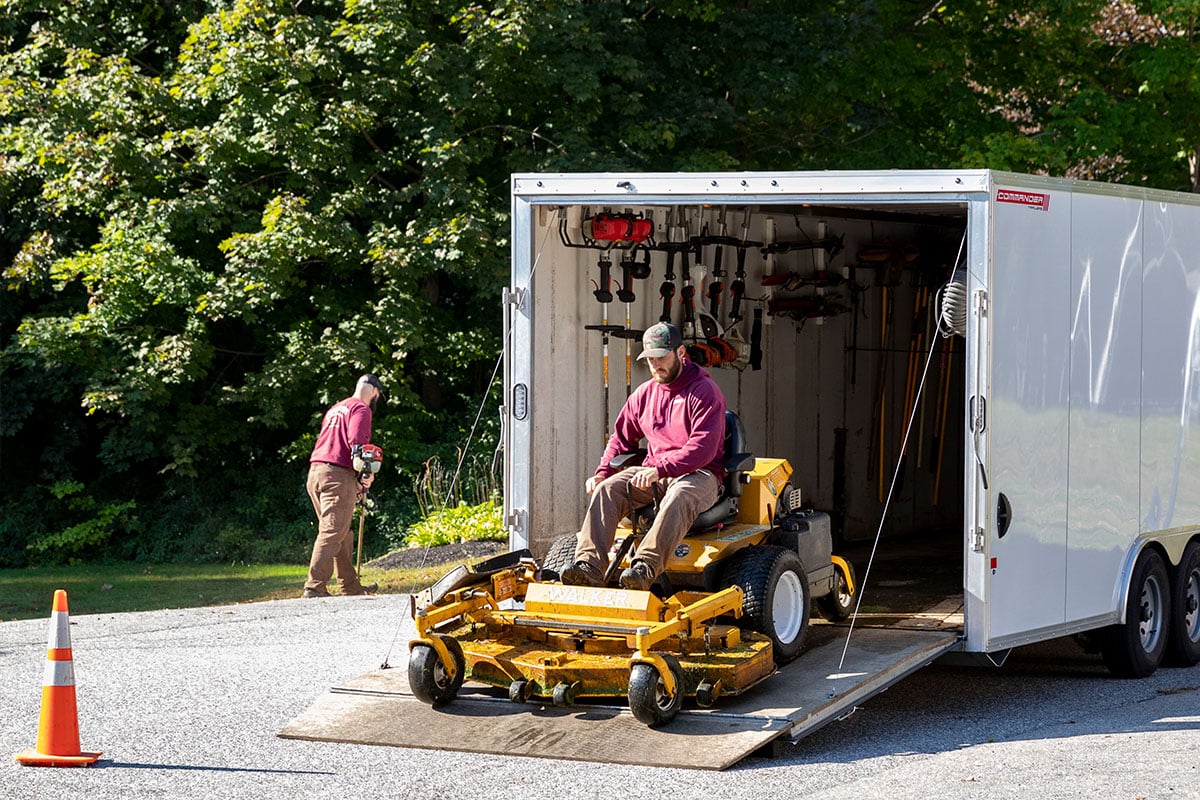
Frequently Asked Questions
Q1: What is a semi trailer with a ramp door used for?
A semi trailer with a ramp door is used to load and transport vehicles, construction machinery, and other equipment that can be driven or moved onto the trailer deck. The ramp creates a loading path between the ground and the trailer platform.
Common applications include:
-
Transporting excavators, skid steers, and wheel loaders.
-
Moving forklifts and agricultural machinery.
-
Delivering cars, trucks, and other wheeled vehicles.
-
Loading industrial equipment with compatible wheels or tracks.
The appropriate trailer design depends on the equipment's weight, dimensions, ground clearance, and loading requirements.
Q2: How much weight can a semi trailer ramp door support?
The load capacity of a semi trailer ramp door depends on its structural design, materials, dimensions, reinforcement, and support mechanism. Ramp capacity must be evaluated separately from the trailer's total rated payload.
Before loading, confirm:
-
The manufacturer's rated ramp capacity.
-
Whether the rating applies to concentrated or evenly distributed loads.
-
The maximum permitted axle or wheel load during loading.
-
The ramp's support and locking arrangements.
-
The trailer's deck and overall payload ratings.
The ramp must be capable of supporting the actual machine weight and its load distribution during loading, not merely the equipment's average weight.
Q3: What types of ramp doors are available for semi trailers?
Semi trailer ramp doors are commonly available as manual folding ramps, hydraulic ramps, and integrated rear loading ramps. The suitable design depends on equipment weight, loading frequency, available power, and the required loading angle.
-
Manual ramps: Mechanically operated and generally suited to applications where loading frequency and ramp weight are manageable.
-
Hydraulic ramps: Use hydraulic power to raise and lower heavier ramp structures with less manual effort.
-
Folding ramps: Fold into sections for storage and transport.
-
Integrated rear ramps: Form part of the trailer's rear structure and provide a dedicated loading surface.
Buyers should confirm operating method, ramp dimensions, support capacity, locking devices, and maintenance requirements.
Q4: How do you choose the correct ramp length and loading angle?
The correct ramp length should provide a loading angle that the transported equipment can safely negotiate without its undercarriage, tracks, tires, or attachments contacting the trailer. Ramp selection must consider deck height, ground clearance, approach angle, departure angle, and equipment dimensions.
A longer ramp generally reduces the loading angle, but it also affects trailer design, storage, and overall dimensions. Buyers should provide the equipment's wheelbase or track length, ground clearance, weight, and loading configuration to the trailer manufacturer for verification.
Q5: What trailer specifications should buyers check before purchasing?
Buyers should check the trailer's rated payload, deck dimensions, ramp capacity, axle configuration, suspension, braking system, and overall dimensions. These specifications determine whether the trailer can safely transport and load the intended equipment.
Important details include:
-
Trailer tare weight and maximum rated payload.
-
Deck length, width, and loading height.
-
Ramp length, width, capacity, and operating mechanism.
-
Axle ratings and suspension configuration.
-
Tire size and load rating.
-
Braking system and lighting configuration.
-
Frame material and structural reinforcement.
-
Tie-down points and cargo-securing arrangements.
Request a complete technical specification sheet and confirm that the trailer meets the transport regulations in the destination market.
Q6: What safety precautions are required when loading equipment onto a ramp-door semi trailer?
Safe loading requires a stable trailer, suitable ground conditions, a ramp rated for the equipment, and controlled equipment movement. The trailer should be secured against unintended movement before the loading operation begins.
Recommended precautions include:
-
Park on firm, level ground whenever possible.
-
Engage the towing vehicle's parking brake and secure the trailer according to the manufacturer's instructions.
-
Check that ramp locks, supports, and hydraulic components are properly engaged.
-
Keep the ramp surface free of mud, oil, and loose materials.
-
Align the equipment with the ramp and avoid sudden steering or braking.
-
Keep personnel clear of the ramp and equipment travel path.
-
Secure the equipment with appropriately rated restraints after loading.
Operators should follow the trailer and equipment manufacturers' loading procedures and applicable workplace safety requirements.
Q7: How should a semi trailer ramp door be maintained?
A semi trailer ramp door should be inspected regularly for structural damage, worn hinges, loose fasteners, locking problems, and deterioration of the ramp surface. Hydraulic systems, when fitted, also require checks for leaks and abnormal operation.
Key maintenance tasks include:
-
Inspect ramp plates, welds, hinges, and support structures.
-
Check locking pins, latches, and safety mechanisms.
-
Inspect hydraulic cylinders, hoses, fittings, and connections on hydraulic models.
-
Check springs, cables, or other assistance mechanisms where fitted.
-
Remove dirt and corrosion that may affect movement or traction.
-
Lubricate moving components according to the manufacturer's instructions.
Maintenance intervals and replacement limits should follow the official trailer service documentation.
Q8: What affects the operating cost of a semi trailer with a ramp door?
The operating cost depends on the trailer's purchase price, payload efficiency, tire consumption, brake wear, ramp maintenance, and the towing vehicle's fuel consumption. Hydraulic ramp systems may also add inspection and maintenance requirements compared with simpler mechanical designs.
When comparing trailers, consider:
-
Initial purchase and delivery costs.
-
Ramp mechanism complexity and service requirements.
-
Availability of replacement hinges, cylinders, and other components.
-
Tire, brake, and suspension maintenance.
-
Loading and unloading time.
-
Compatibility with the equipment fleet.
-
Resale value and long-term service support.
A ramp design matched to the transported equipment can improve loading efficiency while reducing the risk of damage and unnecessary maintenance.
Conclusion
A semi trailer with a ramp door is a practical transport solution for machinery and vehicles that need to be driven or moved onto the trailer deck. Before purchasing, verify the ramp's rated capacity, loading angle, deck dimensions, trailer payload, and safety mechanisms. Matching these specifications to the transported equipment is essential for safe loading and reliable operation.