

Overview
Semi trailer sales.com-style websites are online marketplaces or dealer platforms that list new and used semi trailers for sale, often aggregating inventory from multiple sellers or presenting a single dealer’s stock under a branded domain. Fleet managers and equipment buyers encounter these platforms when sourcing trailers outside local dealer networks, comparing prices across regions, or responding to listings found through search engines and classified aggregators.
The procurement problem is not whether trailers are listed online—it is whether the platform behind the domain is a verified dealer with physical inventory and clear title, or a lead-generation site that collects inquiries and deposits without holding the equipment. The distinction matters because semi trailer transactions involve five-figure sums, title transfers, and transport logistics, and a fraudulent or misrepresented listing can leave a fleet without recourse. This FAQ addresses the verification, red-flag, and due-diligence questions that determine whether a semi trailer sales platform is a legitimate procurement channel.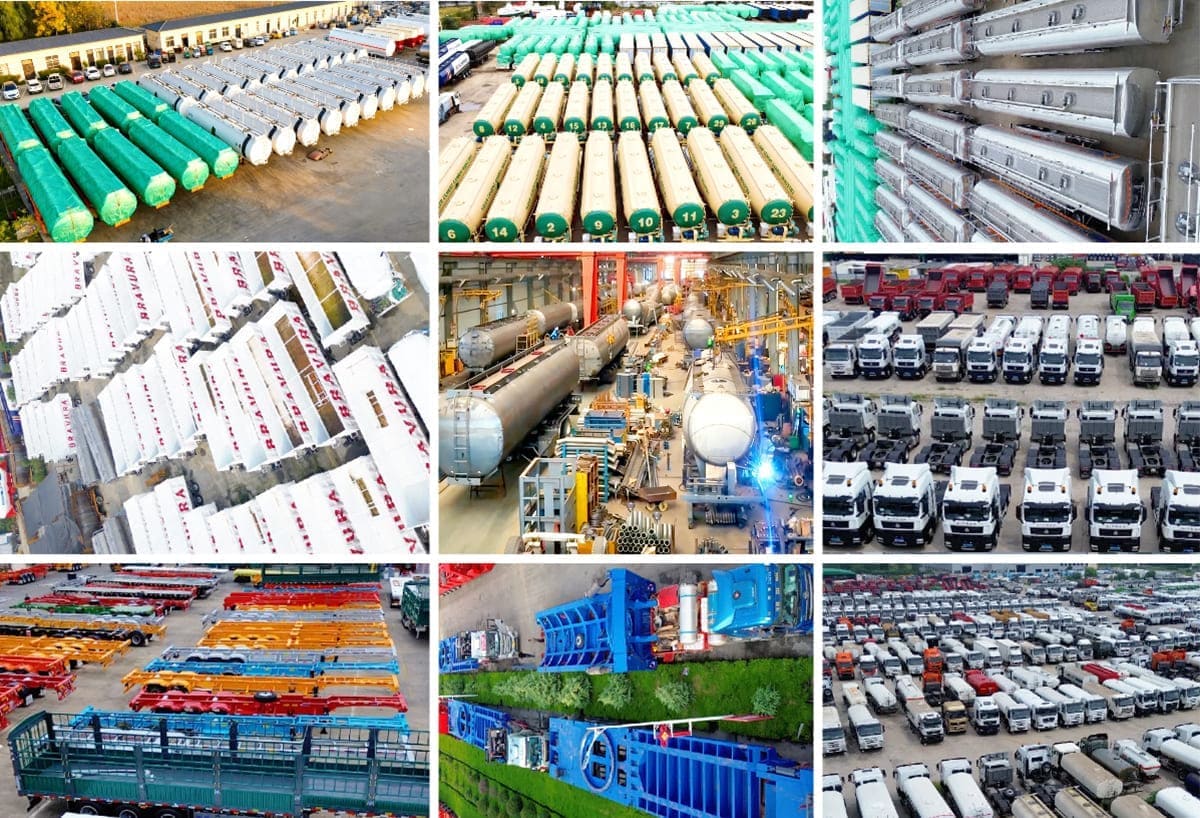
Frequently Asked Questions
What should a buyer verify before purchasing from a semi trailer sales website?
A buyer should verify the platform’s physical business location, dealer licensing status, and inventory ownership before responding to any listing, because a domain name alone does not establish that a seller holds the trailers it advertises. Legitimate dealer platforms typically publish a physical address, phone number, and company registration details; Semi Trailer Sales, an Australian dealer operating from Bendigo, Victoria, lists its full street address and phone number on its site and describes a workshop with loading facilities and staff . ScamAdviser’s analysis of that domain found a valid SSL certificate and a high trust rating, while noting the site has a low traffic rank and that content analysis failed—a combination that warrants manual verification rather than automatic trust . Buyers should call the listed phone number, confirm the business address through an independent mapping or registry service, and ask for the trailer’s VIN before discussing payment.
What are the red flags of a fraudulent semi trailer sales listing?
The red flags of a fraudulent semi trailer sales listing are a price significantly below market, a seller who requests a deposit before inspection, a refusal to provide the VIN or title documentation, and contact details that do not resolve to a physical business address. Autoline’s buyer safety guidance warns specifically against paying a deposit to “reserve” a vehicle without documentation confirming the transfer of funds, and notes that scammers may impersonate known companies with slight name variations . A listing that shows a 2017–2020 reefer trailer at a fraction of the $24,900–$34,900 dealer range is not a bargain—it is a pricing anomaly that should be treated as a fraud indicator until proven otherwise. Buyers should also be wary of sellers who communicate only through messaging apps and refuse a video walkaround or third-party inspection.
How does title and lien status affect an online semi trailer purchase?
Title and lien status determine whether the buyer can legally register and operate the trailer, and an online listing cannot substitute for verification of the actual title document. A trailer with an outstanding lien cannot be transferred free of that lien without the lienholder’s release, and a seller who cannot produce a clear title or a lien release should not receive payment. For cross-border purchases, the title requirements differ by jurisdiction: a US buyer needs a state-issued title or the manufacturer’s certificate of origin, while an Australian buyer needs the registration documentation and any encumbrance check applicable in that state. Fleet procurement should require a copy of the title and a lien search before deposit, not after delivery.
What does a legitimate semi trailer dealer platform typically offer that a listing aggregator does not?
A legitimate semi trailer dealer platform typically offers physical inventory, on-site inspection, registration or modification services, and after-sales support, while an aggregator may only pass inquiries to third-party sellers. Semi Trailer Sales in Australia describes itself as supplying new and used semi trailers domestically and internationally, with Australia-wide delivery, a fully equipped workshop, and the ability to handle Victorian Roadworthy Certificate, registration, and modifications on site . That combination of inventory ownership and service capability is the distinguishing feature of a dealer rather than a classifieds board. A fleet sourcing from an aggregator should confirm whether the platform holds title to the trailer or is merely advertising it for a third party, because the recourse path differs entirely if the transaction fails.
How should a fleet manager structure payment for an online semi trailer purchase?
A fleet manager should structure payment through a documented escrow or verified wire transfer to the titled business entity, with payment released only after inspection and title verification, never as an upfront deposit to an individual. Autoline’s guidance advises against paying a deposit without documents that confirm the transfer of funds and warns that scammers use deposit requests to collect money and disappear . For a trailer purchase, the sequence should be: inspection (in person or by a third-party inspector), title and lien verification, executed bill of sale, then payment to the business account. A seller who insists on a deposit before any of these steps has introduced a payment risk that a legitimate dealer does not require.
What due diligence should a buyer perform on a semi trailer sales domain with no independent reviews?
A semi trailer sales domain with no independent reviews should be treated as unverified until the buyer confirms the business through corporate registries, physical address verification, and direct contact with the listed phone number. ScamAdviser’s report on semitrailersales.com.au found no consumer reviews on its platform, a low traffic rank, and a content analysis failure, while still assigning a relatively high trust score based on technical signals . That illustrates the limitation of automated trust scores: they measure SSL certificates and DNS records, not whether the business holds title to the trailers it lists. A buyer should independently verify the company’s registration number, call the listed number and confirm the person who answers can describe the inventory, and request references from prior customers before committing funds.
How does the physical location of a semi trailer dealer affect procurement risk?
The physical location of a semi trailer dealer affects procurement risk because distance reduces the buyer’s ability to inspect in person and increases reliance on photographs and seller representations. A dealer with a verifiable workshop and yard, such as Semi Trailer Sales’ facility on the Midland Highway in Epsom, Bendigo, can be visited and inspected . A platform that lists trailers from multiple regions without disclosing where the equipment is physically located makes inspection logistically difficult and creates ambiguity about who holds the trailer and who bears transport risk. For fleet purchases where the trailer will be delivered interstate, the buyer should confirm the trailer’s current physical location and arrange an independent inspection at that location before transport is booked.
Conclusion
Sourcing semi trailers through online sales platforms is a verification exercise, not a price comparison. Confirm the dealer’s physical address and business registration, verify title and lien status before any payment, and treat below-market pricing and deposit requests as fraud indicators rather than negotiation openings. A legitimate dealer platform will support inspection, title verification, and documented payment to a business entity; a platform that resists any of those steps is not a procurement channel a fleet should use.