

Overview
Semi trailer sales in Dayton, Ohio, serve trucking companies, freight carriers, owner-operators, agricultural businesses, and commercial fleet managers looking for new or used trailers. Buyers in the Dayton area can explore different trailer configurations, including dry vans, refrigerated trailers, flatbeds, drop decks, dump trailers, and hopper trailers.
Choosing the right semi trailer requires more than comparing purchase prices. Buyers should evaluate payload capacity, trailer dimensions, axle configuration, suspension systems, braking equipment, operating conditions, maintenance history, and dealer support. This FAQ explains the main purchasing considerations and how to evaluate semi trailer sales opportunities in Dayton, Ohio.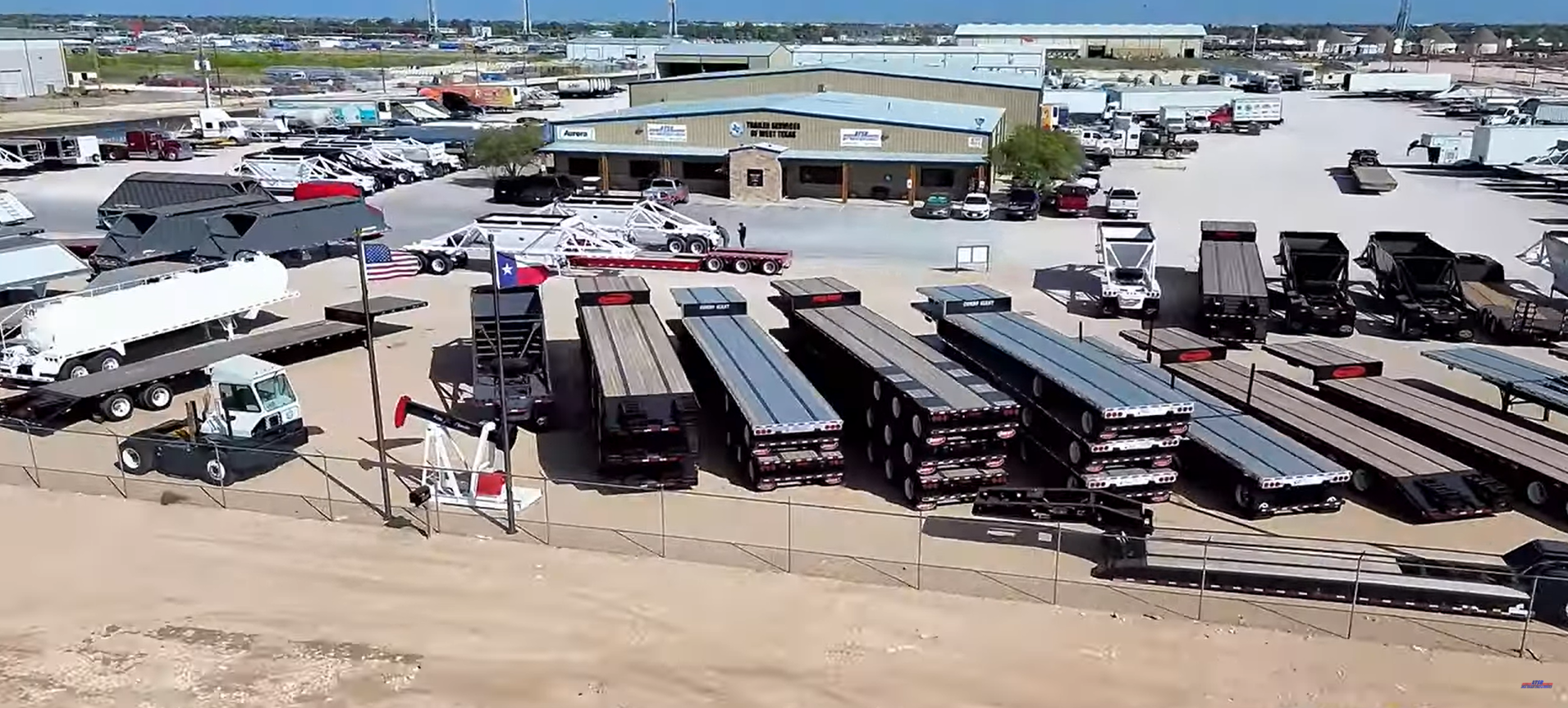
Frequently Asked Questions
Q1: Where can I find semi trailers for sale in Dayton, Ohio?
Semi trailers for sale in Dayton, Ohio, are available through commercial trailer dealerships, leasing companies, and online heavy equipment marketplaces.
Several Dayton-area businesses and sales channels worth researching include:
-
Transportation Supply Depot: Located in Vandalia, near Dayton, this commercial trailer dealer offers new and used dry vans, refrigerated trailers, and flatbeds, with parts and repair services.
Transportation Supply Depot+1 -
RODOC Leasing Sales & Service: Its Dayton location offers trailer sales, parts, leasing, and repair support, with inventory that includes hopper trailers and other commercial trailer categories.
rodoc.com+1 -
TEN (Transportation Equipment Network): Its Dayton branch provides commercial trailer sales, leasing, rental, and maintenance services.
google.com -
Armstrong Trailer Sales: Located in the wider Dayton region, this commercial dealership focuses on flatbed trailers, parts, accessories, and repair services.
google.com+1
Buyers should contact dealers directly to confirm current inventory, trailer specifications, availability, and pricing before arranging a visit.
Q2: What types of semi trailers can I buy in Dayton, Ohio?
Buyers in Dayton can find several types of semi trailers designed for different transportation and industrial applications.
Common options include:
-
Dry van trailers: Suitable for general freight, packaged goods, and palletized cargo.
-
Refrigerated trailers (reefers): Designed for temperature-controlled transportation of food, pharmaceuticals, and other sensitive products.
-
Flatbed trailers: Used for transporting construction materials, steel, machinery, and oversized cargo.
-
Lowboy and drop deck trailers: Suitable for heavy equipment and machinery requiring lower loading heights.
-
Dump trailers: Designed for transporting and unloading aggregates, construction materials, and bulk cargo.
-
Hopper trailers: Commonly used for grain, agricultural commodities, and other bulk materials.
-
Tanker trailers: Designed for transporting liquid or gas cargo according to the applicable tank and transportation requirements.
The best configuration depends on cargo dimensions, weight, loading methods, route conditions, and applicable transportation regulations.
Q3: How much does a semi trailer cost in Dayton, Ohio?
Semi trailer prices in Dayton, Ohio, vary according to trailer type, brand, manufacturing year, condition, specifications, and installed equipment.
The following are broad illustrative purchasing categories, not verified Dayton dealer quotations:
-
Used dry van trailers: Often more affordable than comparable new units, with price strongly affected by age and condition.
-
New dry van trailers: Typically cost more because of factory specifications, equipment options, and warranty arrangements.
-
Refrigerated trailers: Usually require a higher investment because of the refrigeration unit and temperature-control equipment.
-
Flatbed and drop deck trailers: Pricing depends on deck material, axle configuration, structural design, and load capacity.
-
Specialized trailers: Tankers, lowboys, and other purpose-built configurations require individual quotations.
For an accurate quotation, provide the desired trailer type, manufacturing year, quantity, dimensions, payload requirements, and preferred configuration.
Q4: What specifications should I check before purchasing a semi trailer?
Buyers should verify the trailer's GVWR, payload capacity, dimensions, axle configuration, suspension, braking system, and structural materials before purchasing.
Important specifications include:
-
GVWR: Gross Vehicle Weight Rating, representing the maximum permitted loaded trailer weight specified by the manufacturer.
-
Payload capacity: The maximum cargo weight, determined by the trailer's rated weight and actual tare weight.
-
Dimensions: Overall length, width, deck height, and interior height where applicable.
-
Axle configuration: Number of axles, axle ratings, and spacing.
-
Suspension: Air suspension or mechanical suspension, depending on operating requirements.
-
Braking system: Verify service brakes, ABS equipment, and parking brake configuration.
-
Tires and wheels: Check tire size, load rating, wheel material, and compatibility.
Always compare the manufacturer's rating plate and technical documentation with the intended operating requirements. Actual legal loading limits may also depend on state and federal regulations.
Q5: Should I buy a new or used semi trailer in Dayton, Ohio?
A new semi trailer is generally preferable for buyers seeking specific configurations and a new equipment history, while a used trailer may offer a lower initial purchase cost.
New semi trailers:
-
Factory-new components and documented specifications.
-
More opportunities to select customized configurations.
-
Manufacturer warranty arrangements, subject to the applicable terms.
-
Higher initial investment.
Used semi trailers:
-
Potentially lower acquisition costs.
-
Opportunities to purchase established commercial brands.
-
Immediate availability when suitable inventory exists.
-
Greater need for inspections and maintenance-history verification.
Before purchasing a used trailer, inspect the frame, crossmembers, floor, axles, suspension, tires, brakes, electrical systems, and signs of corrosion or previous accident damage.
Q6: Can I finance or lease a semi trailer in Dayton, Ohio?
Commercial buyers in Dayton may explore equipment financing, dealership financing, commercial loans, and trailer leasing to manage acquisition costs.
The most suitable arrangement depends on business credit, down payment, trailer value, financing term, and expected utilization.
Consider the following factors:
-
Purchase price and required down payment.
-
Interest rate and repayment schedule.
-
Lease duration and mileage or usage restrictions.
-
Maintenance and insurance responsibilities.
-
Ownership transfer and end-of-contract conditions.
Leasing can be useful for fleets with changing transportation requirements, while purchasing may be more suitable for businesses planning long-term equipment ownership. Confirm all financing terms directly with the dealer or financial institution.
Q7: What maintenance and inspection services should a semi trailer dealer provide?
A reliable commercial trailer dealer should be able to provide access to parts, technical support, and maintenance or repair services for the trailer configurations it sells.
Important service areas include:
-
Brake system inspection and repair.
-
Axle, wheel, and bearing maintenance.
-
Suspension inspection and component replacement.
-
Tire condition and pressure checks.
-
Electrical wiring, lighting, and ABS diagnostics.
-
Structural inspections and frame repairs.
-
Floor, roof, door, and sealing repairs for enclosed trailers.
Ask the dealer about service availability, replacement parts, warranty procedures, and maintenance documentation before purchasing.
For fleet operators, access to dependable after-sales support can help reduce unexpected downtime and long-term operating costs.
Q8: How can I choose the right semi trailer dealer in Dayton, Ohio?
The right semi trailer dealer should offer suitable inventory, transparent pricing, accurate technical information, and reliable parts and service support.
Use the following purchasing checklist:
-
Inventory selection: Check whether the dealer carries the required trailer type, brand, and configuration.
-
Technical knowledge: Confirm that sales staff can explain payload, GVWR, axle ratings, and equipment specifications.
-
Product condition: Request inspection reports and maintenance records for used trailers.
-
Pricing transparency: Compare quotations, additional equipment costs, delivery charges, and applicable taxes.
-
Warranty support: Review coverage, exclusions, and claim procedures.
-
Parts availability: Ask about replacement components and service arrangements.
-
Dealer reputation: Evaluate business experience, customer feedback, and commercial fleet support.
It is also useful to compare multiple Dayton-area suppliers rather than selecting a trailer based solely on its advertised purchase price.
Conclusion
Purchasing a semi trailer in Dayton, Ohio, requires careful evaluation of trailer type, payload capacity, technical specifications, condition, and total ownership costs.
Whether purchasing a new dry van, used flatbed, refrigerated trailer, hopper trailer, or specialized commercial trailer, buyers should obtain detailed specifications and compare dealer quotations before making a decision.
The best purchasing decision is one that matches the trailer's configuration to your cargo requirements while providing dependable parts availability, maintenance support, and long-term operating value.