

Overview
Semi trailer roof skin is the exterior roofing material installed over the roof structure of a semi trailer. It protects cargo and internal components from rain, sunlight, dust, and other environmental exposure while contributing to the trailer body's overall weather resistance and durability.
For fleet operators, trailer manufacturers, and procurement managers, selecting the right roof skin involves evaluating material, thickness, dimensions, structural compatibility, sealing performance, and maintenance requirements. This FAQ explains the key technical and purchasing considerations when selecting or replacing semi trailer roof skin.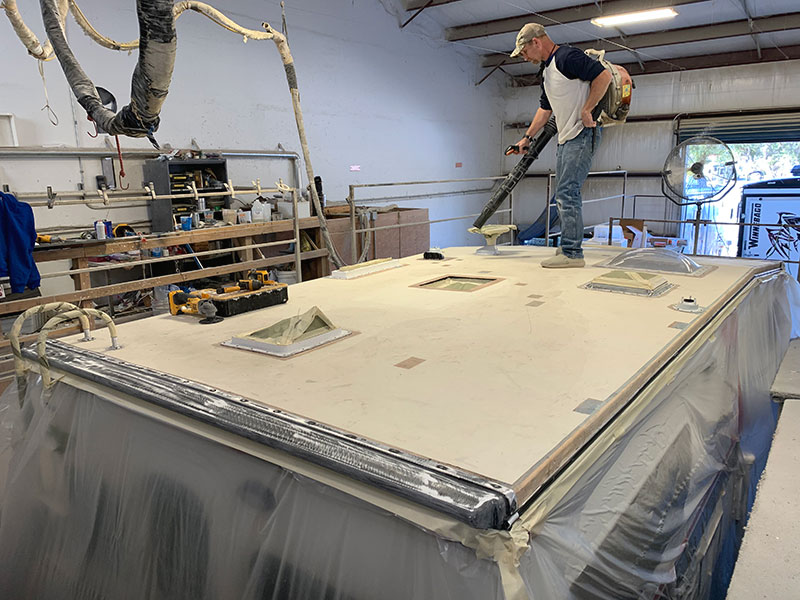
Frequently Asked Questions
Q1: What materials are commonly used for semi trailer roof skin?
Semi trailer roof skin is commonly manufactured from aluminum, steel, or specialized composite materials, depending on the trailer design and operating requirements.
-
Aluminum: Offers low weight and corrosion resistance, making it suitable for many commercial trailers.
-
Steel: Provides high mechanical strength but requires appropriate corrosion protection.
-
Composite materials: Can offer corrosion resistance and specific insulation or weight advantages depending on their construction.
The appropriate material depends on trailer specifications, environmental conditions, expected service life, and the manufacturer's design requirements.
Q2: What thickness should semi trailer roof skin have?
Semi trailer roof skin thickness is determined by the roofing material, trailer structure, panel span, and intended operating conditions. There is no universal thickness suitable for every semi trailer.
When comparing suppliers, request the actual material thickness, including whether the quoted measurement refers to the base metal or the complete coated or laminated panel. Always verify the manufacturer's drawings and approved specifications before ordering replacement panels.
Q3: Does semi trailer roof skin affect the trailer's payload capacity?
Semi trailer roof skin can indirectly affect payload capacity because its weight contributes to the trailer's overall tare weight.
Lightweight aluminum or composite roofing may help reduce vehicle body weight compared with some heavier alternatives. However, the actual payload improvement depends on the complete trailer configuration, chassis weight, axle ratings, suspension limits, and applicable road regulations.
Important: Roof skin is not a substitute for the trailer's structural load-bearing components and must not be treated as a cargo-supporting surface unless specifically engineered for that purpose.
Q4: How can buyers check whether replacement roof skin is compatible with a semi trailer?
Replacement semi trailer roof skin must match the original trailer's dimensions, material requirements, mounting arrangement, and roof structure.
Before ordering, confirm:
-
Trailer make, model, and manufacturing year.
-
Overall roof length and width.
-
Panel profile, curvature, and edge configuration.
-
Material type and specified thickness.
-
Mounting method, joints, and sealing requirements.
Providing photographs, measurements, and original manufacturer drawings helps suppliers identify compatible replacement materials and reduces installation problems.
Q5: How should semi trailer roof skin be maintained and inspected?
Semi trailer roof skin should be inspected regularly for corrosion, cracks, dents, loose fasteners, damaged joints, and water leakage.
A practical preventive maintenance routine includes:
-
Daily or pre-trip checks: Look for visible roof damage and signs of water entering the cargo area.
-
Periodic inspections: Examine seams, fasteners, roof edges, and connections with adjacent body panels.
-
After severe weather: Check for impact damage, deformation, and compromised sealing.
-
During cleaning: Remove accumulated dirt and debris using cleaning methods compatible with the roofing material.
Inspection frequency should be adjusted to operating conditions and the trailer manufacturer's maintenance recommendations.
Q6: What are the common problems with semi trailer roof skin?
The most common semi trailer roof skin problems include water leakage, corrosion, cracking, dents, loose connections, and deterioration of sealing materials.
Typical causes include:
-
Aging or damaged sealants around roof joints.
-
Improper installation or loose fasteners.
-
Branch impacts, loading-related damage, or severe weather.
-
Corrosion caused by prolonged exposure to moisture and unsuitable cleaning chemicals.
-
Thermal expansion and contraction that place stress on joints and connections.
Identifying the source of damage early helps prevent moisture from affecting cargo, insulation, interior panels, and other trailer components.
Q7: Can damaged semi trailer roof skin be repaired or does it need replacement?
Damaged semi trailer roof skin can often be repaired when the damage is localized and the surrounding material and supporting structure remain in suitable condition.
-
Minor surface damage: May be addressed through material-appropriate repair and protective treatment.
-
Small leaks or damaged joints: May require resealing or replacement of affected sealing components.
-
Extensive cracks, corrosion, or deformation: May require partial or complete roof panel replacement.
Repair methods must be compatible with the roofing material and manufacturer requirements. Structural damage should be assessed by a qualified trailer repair professional before the vehicle returns to service.
Q8: What should procurement managers consider when purchasing semi trailer roof skin?
Procurement managers should compare material specifications, dimensions, manufacturing quality, compatibility, supplier support, and total replacement cost when purchasing semi trailer roof skin.
The following factors are particularly important:
-
Material quality: Confirm whether the roof skin is aluminum, steel, or composite and request relevant material documentation.
-
Technical specifications: Verify thickness, dimensions, surface treatment, and panel profile.
-
Trailer compatibility: Ensure the material matches the original roof structure and installation method.
-
Weather resistance: Evaluate corrosion protection, waterproofing, and sealing performance.
-
Supplier capability: Check manufacturing experience, quality control, replacement-part availability, and technical support.
-
Total procurement cost: Consider transportation, installation, maintenance, and expected service life rather than comparing purchase prices alone.
For bulk orders or fleet replacement projects, requesting technical drawings, material specifications, and product samples before confirming the order can help reduce procurement risks.
Conclusion
Selecting suitable semi trailer roof skin requires careful consideration of material, thickness, structural compatibility, weather resistance, and long-term maintenance requirements. Buyers should confirm all dimensions and technical specifications against the original trailer design before purchasing.
Working with a qualified trailer manufacturer or component supplier can help ensure proper material selection, reliable installation, and long-term protection of cargo and trailer components.