

Introduction
Semi trailer insurance is a risk-transfer mechanism that protects the trailer asset, the cargo it carries, and the liability exposure arising from its operation on public roads. Unlike a tractor unit, which is typically insured as part of a commercial auto policy with its own power unit identification, a semi trailer occupies an ambiguous position in many insurance programs: it may be covered under the tractor’s policy, insured separately as scheduled equipment, or covered only through a trailer interchange agreement when it is not owned by the operating carrier .
For fleet managers and owner-operators, the insurance decision is not simply a premium comparison. It is a risk allocation exercise that determines who bears the cost of a trailer damaged in a collision, a cargo loss from theft or spoilage, or a liability claim from a third party injured by a detached or overturned trailer. The operational pressures are familiar: rising liability costs, tightening cargo requirements from shippers, and the need to maintain continuous coverage as a condition of operating authority. A coverage gap discovered after a loss is a financial event that no maintenance program can offset.
This guide examines the coverage types applicable to semi trailers, the factors that drive premium calculation, the risk management practices that reduce insurance cost over time, and the coverage decisions that determine whether a fleet’s insurance program actually protects the assets it operates.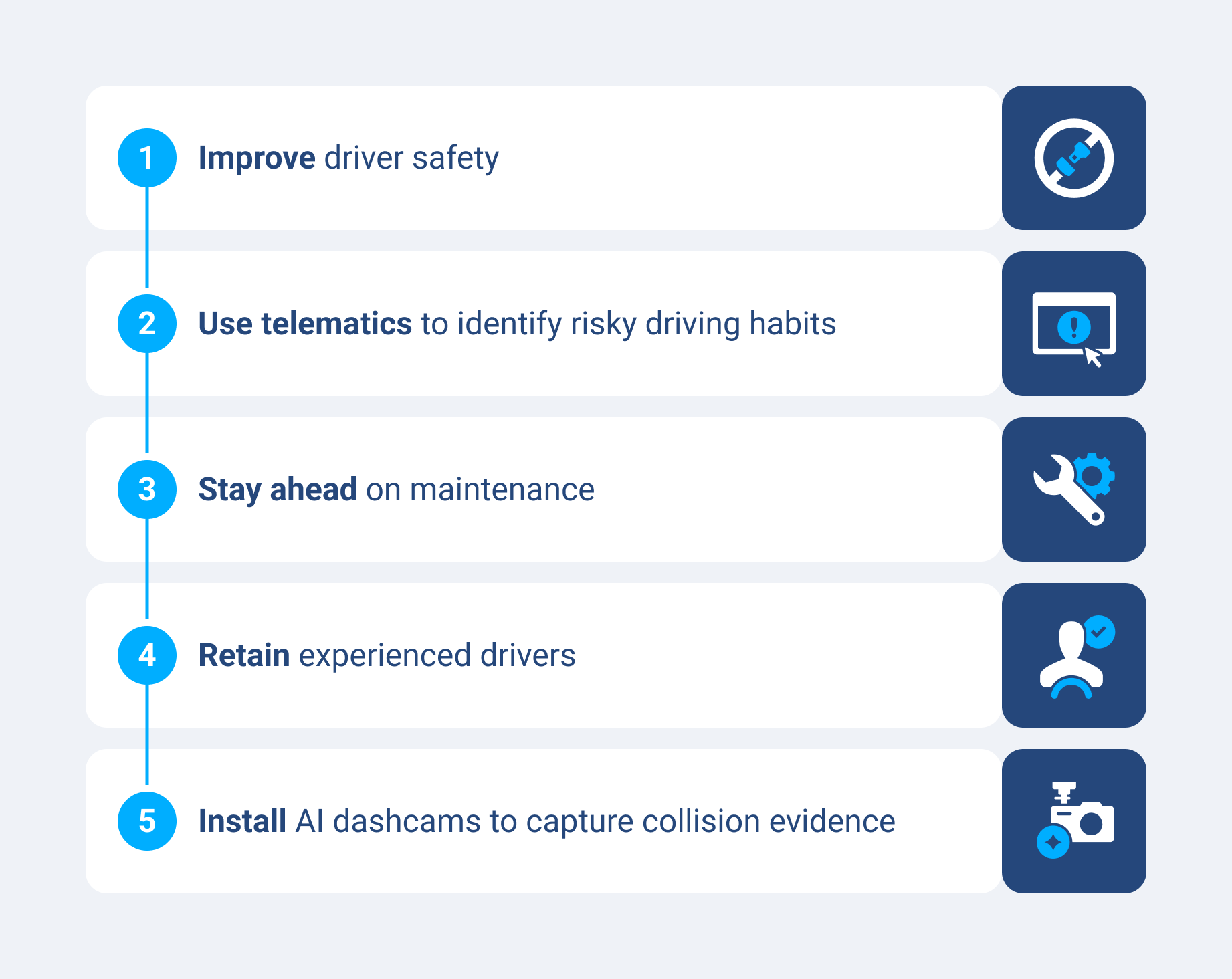
Core Powertrain and Structural Design
Engine and Transmission
A semi trailer has no engine or transmission. Its insurance treatment therefore differs fundamentally from a power unit. The tractor’s commercial auto liability policy typically provides the primary liability coverage for the combination vehicle while coupled. When the trailer is uncoupled—parked at a terminal, dropped at a customer dock, or stored in a yard—the liability coverage may shift or lapse depending on policy structure. This is why trailer interchange coverage exists: it fills the physical damage gap when a carrier pulls a trailer owned by another party under an interchange agreement .
For owner-operators who lease onto a carrier, the carrier typically provides primary liability and cargo coverage, with the cost passed through lease deductions or rate adjustments . The owner-operator’s separate insurance obligation is then limited to non-trucking liability (bobtail) and physical damage on the tractor, while trailer coverage remains the carrier’s responsibility.
Hydraulic System
Hydraulic systems on semi trailers are limited to specific configurations: lowbed gooseneck operation, dump trailer body lift, and landing gear on some specialized units. From an insurance perspective, hydraulic failure that results in cargo damage or structural damage to the trailer is treated as a physical damage event, subject to the deductible and coverage terms of the trailer’s collision or comprehensive policy.
More significantly, hydraulic system failure during operation—such as a lowbed gooseneck dropping unexpectedly—can produce liability exposure if it causes injury or third-party property damage. This exposure is covered under the commercial auto liability policy, not the physical damage policy, and the distinction matters when evaluating whether a coverage limit is adequate.
Chassis and Structural Durability
The trailer’s chassis and structural condition directly affect insurability and premium. Insurers assess vehicle age, maintenance history, and condition when pricing physical damage coverage. Trailers over ten years old may cost more to insure relative to their value, and some insurers will not write policies on older trailers without a recent inspection . A trailer with documented structural repairs or a history of fatigue cracking presents a higher risk profile than one with a clean inspection record.
This creates a direct link between maintenance discipline and insurance economics. A fleet that inspects chassis welds, replaces worn kingpins before they reach wear limits, and documents preventive maintenance presents a lower risk to the insurer. Some insurers offer discounts for safety equipment and maintenance programs, though the availability and magnitude of these discounts vary by carrier .
Technical Specifications
The table below presents representative insurance parameters and coverage considerations for semi trailer operations. Values are typical reference ranges; actual terms vary by jurisdiction, insurer, and fleet profile.
Comparative Advantages TCO and ROI
The alternative to a comprehensive semi trailer insurance program is self-insurance—retaining the risk of trailer damage and cargo loss while carrying only the legally mandated liability minimum. For large fleets with strong balance sheets, self-insurance of physical damage can be economically rational because the fleet can absorb the loss frequency and severity within its own reserves. For small fleets and owner-operators, self-insurance of physical damage is typically a false economy: a single trailer write-off can exceed the annual premium savings by a wide margin.
The comparison between leased-on coverage and own-authority coverage is more directly relevant to most operators. An owner-operator who leases onto a carrier receives primary liability and cargo coverage through the carrier’s policy, with the cost embedded in the lease rate. An owner-operator operating under their own authority must secure liability coverage independently, typically at $1 million CSL to meet broker requirements, plus cargo coverage if the shipper demands it . The own-authority path offers independence and potentially higher revenue per load, but the insurance cost and administrative burden are materially higher.
A defensible cost comparison requires stated assumptions. Consider an owner-operator evaluating leased-on versus own-authority operation. Leased-on, the carrier’s insurance cost is absorbed in a lease rate that might be 15–25% of gross revenue. Own-authority, the operator pays liability, cargo, and physical damage premiums directly. For a tractor-trailer combination generating $180,000 annual gross revenue, a 20% lease deduction represents $36,000, while own-authority insurance might cost $12,000–$18,000 annually for comparable coverage—leaving a nominal advantage to own-authority operation. However, this comparison excludes the administrative cost of compliance filings, the cash flow burden of premium payment, and the risk of coverage gaps during the learning period for a new authority. The decision is not purely financial; it depends on the operator’s tolerance for administrative complexity and risk retention.
Claims history is the single most controllable factor in premium over time. A fleet with frequent claims pays higher premiums, faces higher deductibles, and may struggle to find coverage in a hardening market. A fleet with a clean record and documented safety programs qualifies for better rates and more favorable terms .
Heavy Duty Application Scenarios
-
Long-haul for-hire freight: The highest liability exposure profile due to miles traveled, highway speeds, and time away from home base. $1 million CSL liability is the effective industry baseline. Cargo insurance limits must match shipper contracts, which often require $100,000 or more per occurrence. Physical damage coverage on trailers is typically bundled with tractor coverage or scheduled separately.
-
Container drayage and port operations: Short trips but high-frequency coupling and movement in congested environments. The primary insurance concern is physical damage from low-speed collisions and yard incidents. Liability exposure is concentrated in the terminal environment, where pedestrian and equipment interactions create third-party injury risk.
-
Owner-operator leased to a carrier: The carrier provides primary liability and cargo coverage; the operator carries non-trucking liability and physical damage on the tractor. Trailer coverage depends on whether the trailer is carrier-owned or operator-owned. If operator-owned, the operator must confirm physical damage coverage and understand how the carrier’s policy interacts with their own .
-
Heavy-haul and specialized transport: High-value cargo and oversize loads create elevated liability and cargo exposure. Insurers may require specialized endorsements, higher limits, and documented route surveys. The trailer itself, often a lowbed or multi-axle configuration with significant replacement value, requires accurate scheduled values for physical damage coverage.
Selection and Maintenance Considerations
Selecting semi trailer insurance begins with a coverage gap analysis, not a premium quote. The critical questions are: who owns the trailer, who operates it, what cargo does it carry, and what does the shipper or broker require? The answers determine whether the trailer needs its own physical damage policy, whether cargo coverage is mandatory, and what liability limits are sufficient.
Key considerations include:
-
Verify trailer ownership and coverage responsibility. If the trailer is carrier-owned and the operator leases on, confirm that the carrier’s policy covers the trailer and understand the deductible and claims process. If the trailer is operator-owned, secure physical damage coverage independently and confirm that the carrier’s liability policy extends to the combination vehicle .
-
Match cargo coverage to actual freight. General freight requires less coverage than high-value electronics, pharmaceuticals, or hazardous materials. Reefer operators should confirm that their cargo policy includes refrigeration breakdown coverage, which is not standard on all policies .
-
Maintain documentation for premium reduction. Clean inspection records, preventive maintenance logs, and driver safety program documentation support better rates at renewal. Telematics and dash cam data can demonstrate loss control commitment to insurers .
-
Understand exclusions before a loss occurs. Overloading is a common exclusion trigger in commercial vehicle policies. A trailer operated above its rated payload or legal axle limits may void coverage for a resulting accident, leaving the operator personally liable for damages .
-
Review coverage annually. Fleet composition, routes, and cargo mix change. A policy that was adequate at inception may leave gaps after expansion or diversification. Annual review with the insurer or broker catches these changes before they become claims disputes.
Conclusion
Semi trailer insurance is a risk allocation decision that must be matched to the operational reality of the fleet, not selected on premium alone. The engineering and commercial priorities are clear: confirm ownership and coverage responsibility for every trailer in the operation, carry liability limits that meet shipper and broker requirements rather than only the federal minimum, match cargo coverage to the freight actually hauled, and maintain the maintenance and safety documentation that supports favorable rates at renewal.
The cost of insurance is a function of risk, and risk is a function of how the fleet operates. A fleet that inspects its trailers, trains its drivers, documents its maintenance, and avoids overloading presents a lower risk profile than one that does not—and the insurance market prices that difference over time. The coverage decision and the operational decision are not separate; they are the same decision viewed from different angles. A fleet that manages the risk it can control pays less for the risk it transfers.