

Overview
Setting semi trailer wheel bearings correctly is essential for safe operation, reliable wheel-end performance, and long service life. Incorrect adjustment can cause excessive bearing wear, spindle damage, lubricant leaks, overheating, and potentially wheel-end failure. Both excessive looseness and excessive tightness can create serious problems.
The correct procedure depends on the trailer axle, hub assembly, spindle nut design, and whether the wheel end uses manually adjusted or pre-adjusted bearings. This FAQ explains how to check bearing end play, understand adjustment procedures, identify maintenance requirements, and select appropriate replacement components.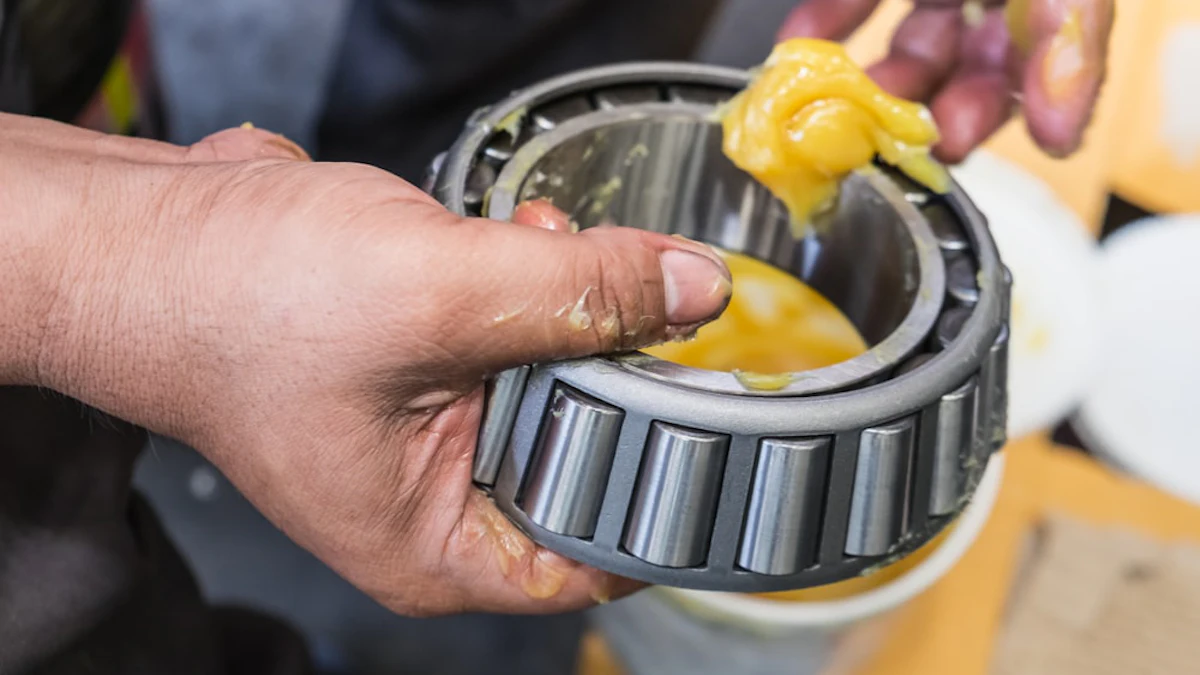
Frequently Asked Questions
Q1: How do you set semi trailer wheel bearings correctly?
Semi trailer wheel bearings must be adjusted according to the axle and hub manufacturer's specified procedure, then checked with a dial indicator when the system requires an end-play measurement.
For many conventional manually adjusted trailer wheel ends, the industry-referenced TMC RP-618A procedure uses a controlled tightening and backing-off sequence:
-
Lubricate the bearings with the correct lubricant specified for the hub.
-
Tighten the adjusting nut to the prescribed initial torque while rotating the hub.
-
Back off and retighten the nut according to the applicable procedure.
-
Apply the specified final back-off and secure the locking hardware.
-
Measure bearing end play and confirm that it meets the manufacturer's requirements.
The procedure and torque values must match the actual spindle nut and axle configuration. Pre-adjusted hub assemblies require their own installation instructions and should not automatically be adjusted using a conventional manual-bearing procedure.
Q2: What is the correct wheel bearing end play for a semi trailer?
A commonly specified end-play range for conventional manually adjusted trailer wheel bearings is 0.001–0.005 inches (0.025–0.127 mm).
This range is referenced in Meritor trailer axle maintenance documentation and the TMC-recommended adjustment procedure. End play is measured using a dial indicator while the hub is moved axially.
-
Excessive end play can accelerate bearing wear, increase spindle wear, and contribute to seal leakage.
-
Insufficient end play or excessive preload can increase operating temperature and damage bearings.
This range is not universal for every hub design. Always use the specified setting for the actual axle and hub assembly, particularly for pre-adjusted or unitized wheel ends.
Q3: What tools are needed to adjust semi trailer wheel bearings?
A technician typically needs a calibrated torque wrench, suitable spindle-nut socket, dial indicator with a magnetic base, and the correct tools for the locking system.
Depending on the wheel-end design, additional equipment may include:
-
Wheel chocks and properly rated safety stands.
-
Hub and bearing removal tools.
-
Cleaning supplies and approved replacement seals.
-
Correct wheel bearing grease or axle lubricant.
-
Personal protective equipment, including safety glasses.
A dial indicator is important because tightening torque alone does not confirm the final bearing setting. Avoid using an impact wrench to tighten or loosen spindle nuts during bearing adjustment, and follow the manufacturer's tool and measurement requirements.
Q4: How can you tell if semi trailer wheel bearings are too loose or too tight?
Excessive wheel-end movement, unusual operating heat, abnormal noise, or lubricant leakage can indicate a wheel bearing or hub problem.
Common warning signs include:
-
Excessive looseness: noticeable wheel-end movement, abnormal bearing noise, or changing end-play measurements.
-
Excessive tightness: elevated hub temperature, increased friction, and premature bearing damage.
-
Bearing or seal damage: lubricant leakage, metal particles in the lubricant, or visible scoring and discoloration.
These symptoms are not exclusive to bearing adjustment problems; brake drag, damaged seals, and other wheel-end faults can produce similar signs. A technician should inspect the complete wheel end and measure end play rather than relying only on temperature or noise.
Q5: How often should semi trailer wheel bearings be inspected and adjusted?
Semi trailer wheel bearings should be inspected at the intervals specified by the axle and hub manufacturers, with additional checks when operating conditions or warning signs indicate a possible problem.
Inspection frequency should account for:
-
Annual mileage and operating hours.
-
Payload and axle loading conditions.
-
Frequent braking, high temperatures, and demanding routes.
-
Exposure to water, dirt, and road contaminants.
-
Previous bearing, seal, or hub repairs.
During routine inspections, technicians should check for lubricant leaks, damaged hub components, abnormal noise, excessive heat, and signs of wheel-end movement. Do not assume every inspection requires bearing adjustment; unnecessary adjustment can introduce problems. Follow the maintenance manual for the actual axle and hub assembly.
Q6: What type of lubricant should be used for semi trailer wheel bearings?
Semi trailer wheel bearings must use the lubricant specified for their wheel-end design, which may be approved wheel bearing grease or axle lubricant.
The two common arrangements are:
-
Grease-lubricated wheel ends: use the specified bearing grease and follow the manufacturer's packing and service instructions.
-
Oil-lubricated wheel ends: use the approved axle or hub oil with the specified viscosity and performance requirements.
Do not mix incompatible lubricants or substitute grease for oil in a system designed for oil lubrication. During service, inspect the hub, seals, lubricant condition, and oil level where applicable. Follow the manufacturer's instructions for lubricant replacement and contamination checks.
Q7: When should semi trailer wheel bearings be replaced instead of adjusted?
Semi trailer wheel bearings should be replaced when inspection reveals damage, excessive wear, corrosion, pitting, overheating, or other defects that prevent them from operating within the manufacturer's specifications.
Adjustment cannot restore damaged bearing surfaces or correct a defective spindle, hub, or seal. During disassembly, technicians should inspect:
-
Inner and outer bearing rollers and races.
-
Bearing cages and contact surfaces.
-
Spindle threads and bearing seats.
-
Hub condition and seal contact surfaces.
-
Lubricant for contamination or metal debris.
Replacement bearings should match the axle and hub manufacturer's part specifications. Installing the correct bearing and seal combination is important for proper fit, lubrication, and wheel-end performance.
Q8: What should fleet operators consider when purchasing semi trailer wheel bearings and replacement parts?
Fleet operators should prioritize exact component compatibility, manufacturer support, service documentation, and long-term operating costs when purchasing semi trailer wheel bearings.
Before ordering replacement components, confirm:
-
Trailer axle manufacturer and model.
-
Hub assembly identification and bearing part numbers.
-
Spindle nut and locking-system design.
-
Grease or oil lubrication requirements.
-
Seal dimensions and compatibility.
-
Availability of technical instructions and replacement components.
Using incorrect bearings, seals, or spindle-nut hardware can result in installation problems and premature wheel-end failure. Fleet managers should also consider technician training, access to approved service procedures, and the availability of reliable replacement parts when evaluating suppliers.
Conclusion
Correctly setting semi trailer wheel bearings requires more than tightening a spindle nut to a specified torque. Technicians must identify the wheel-end design, follow the correct adjustment sequence, verify end play where applicable, and inspect the complete assembly. For fleet operators, consistent preventive maintenance and the use of manufacturer-approved replacement parts are essential to reducing wheel-end failures and maintaining safe trailer operation.