

Introduction
A Conestoga semi trailer is a flatbed trailer fitted with a rolling tarp system that converts an open deck into a weather-protected enclosure in minutes. The system consists of an arched frame of bows supporting a heavy-duty tarp, mounted on tracks along the trailer’s sides. The tarp rolls forward or backward along the tracks, exposing the deck for loading or sealing it for transport. Unlike a conventional flatbed tarp that must be manually dragged over the cargo and secured, the Conestoga system allows the driver to cover or uncover the load while standing on the ground, eliminating the falls, strains, and weather exposure associated with manual tarping .
The operational appeal is straightforward: the Conestoga combines the loading flexibility of a flatbed with the cargo protection of an enclosed van. Side, top, and rear access remain available when the tarp is retracted, but the cargo is shielded from rain, road debris, and theft when the tarp is deployed . For fleets hauling weather-sensitive industrial goods, construction materials, or high-value machinery that cannot be easily loaded into a van, the Conestoga fills a gap that neither a standard flatbed nor a dry van addresses well.
That flexibility comes with measurable trade-offs. The rolling tarp mechanism adds weight, cost, and maintenance surface area compared with a bare flatbed. The system’s frame imposes height and width constraints that may limit certain oversized loads . This guide examines the Conestoga’s engineering, the specifications that define its capability, and the selection and maintenance considerations that determine whether the premium is justified.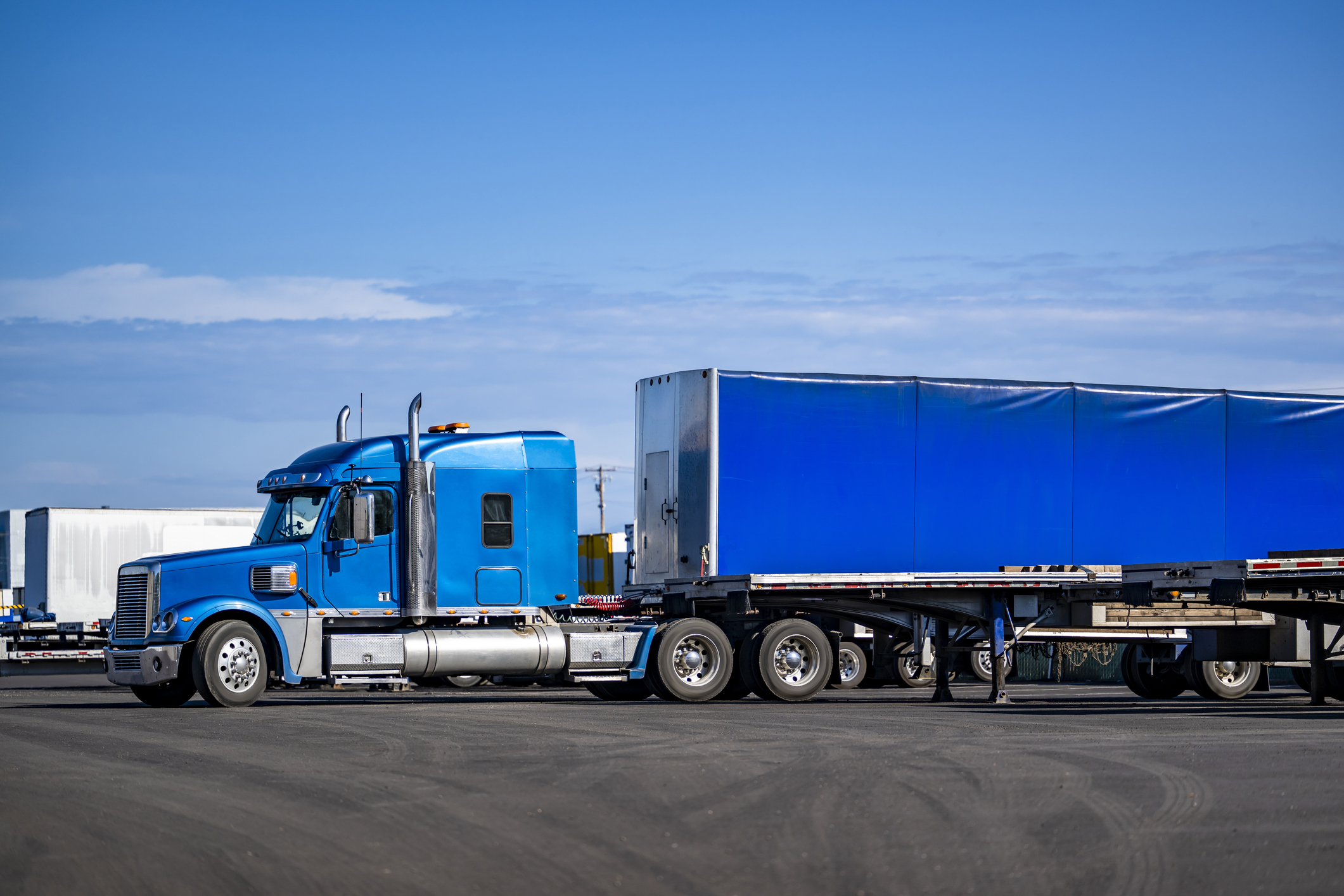
Core Powertrain and Structural Desig
Engine and Transmission
A Conestoga semi trailer has no engine or transmission. Its performance depends on the tractor that tows it and the condition of the rolling tarp system. The trailer’s base is a flatbed chassis, typically with a steel or aluminum frame, wood or aluminum deck, and tandem axles with air ride or spring suspension . The tarp system is an addition to this base, not a replacement for it.
Hydraulic System
The Conestoga rolling tarp system is mechanical, not hydraulic. The bows roll along tracks on steel wheels or rollers. A rear locking mechanism secures the tarp and applies tension, and some systems include spring shocks on the uplift bows to reduce vibration and keep the tarp tight during transit . The absence of hydraulics simplifies maintenance, but the mechanical components—tracks, wheels, locking latches, and tarp tensioning hardware—require inspection and lubrication to function reliably.
Chassis and Structural Durability
The bulkhead at the front of the trailer is a structural component of the tarp system. It anchors the front of the tarp and provides a mounting point for the track and bow assembly. On some trailers, the bulkhead includes a man door for access to the front of the deck . The rear bow structure is the moving element that locks the tarp in its closed position; its locking mechanism engages a receptacle on the flatbed and tensions the tarp as it latches .
The track system is the Conestoga’s most maintenance-sensitive component. The bows ride on wheels or rollers inside a track that runs the length of the trailer. Debris, ice, or damage to the track can cause the tarp to bind or derail. Track alignment and wheel condition should be inspected at defined intervals, particularly on trailers operating in harsh weather or construction environments.
Technical Specifications
The table below presents representative parameters for Conestoga semi trailers, drawn from published listings and carrier specifications. Values vary by manufacturer, trailer length, and tarp system model.
Comparative Advantages TCO and ROI
The Conestoga competes with three alternatives: the standard flatbed with manual tarp, the curtain-side trailer, and the dry van. The standard flatbed is cheaper and lighter but requires 30–45 minutes of manual tarping and exposes the driver to fall and strain risks . The curtain-side trailer offers similar side access but typically uses a sliding curtain rather than a rolling tarp, with different track and tensioning mechanics. The dry van offers full enclosure but cannot be loaded from the side or top, limiting its use for oversized or awkward cargo.
The Conestoga’s economic case rests on time savings and damage reduction. If manual tarping takes 30–45 minutes per load and the Conestoga system reduces that to minutes, the labor and turnaround savings accumulate quickly in high-frequency operations. Reduced cargo claims from weather damage and theft add a second cost line. Against these benefits, the fleet must weigh the 20–35% acquisition premium, the 1,500–2,000 lb weight penalty, and the additional maintenance for tracks, rollers, and tarp integrity .
A defensible comparison requires stated assumptions. Consider a fleet running 500 loads per year with weather-sensitive cargo on a route where manual tarping averages 30 minutes per load. At a driver labor cost of 150 CNY per hour, the manual tarping cost is 37,500 CNY per year. If the Conestoga reduces tarping time to 5 minutes, the saving is approximately 31,250 CNY per year. Against an acquisition premium of 60,000 CNY per trailer, simple payback is under two years—before counting reduced cargo claims. If the cargo is not weather-sensitive or the route does not require tarping, the Conestoga’s premium is unrecovered.
Resale value for Conestoga trailers is supported by a niche but active buyer pool. Fleets that haul the specific cargo profiles the Conestoga serves—industrial equipment, building materials, high-value machinery—tend to seek out used units, which can support stronger residual values than a specialized trailer with a narrower application.
Heavy Duty Application Scenarios
-
Industrial and construction freight: The Conestoga excels at steel beams, lumber, building materials, and industrial equipment that require weather protection but are difficult to load into an enclosed van. Side access allows forklift loading from the ground, and the tarp protects against rain and debris .
-
High-value and sensitive cargo: Electronics, machinery, and other high-value items benefit from the enclosure’s security and weather protection without sacrificing flatbed loading flexibility. The tarp system’s non-contact design—the tarp does not rest directly on the cargo—reduces friction and damage during transit .
-
Oversized and specialty loads: Step-deck and double-drop Conestoga variants accommodate taller equipment and machinery while retaining the rolling tarp protection. These specialized versions serve oversized freight such as turbines, tractors, and manufacturing components .
-
Operations with limited dock access: The Conestoga’s ability to open from the side, top, and rear makes it suitable for facilities that cannot accommodate rear-only loading or that lack the dock height for a standard van. However, not all facilities are designed for side-access loading, and advance assessment prevents delays .
Selection and Maintenance Considerations
Selecting a Conestoga begins with the cargo profile and loading environment, not the trailer specification. The first question is: does the cargo require weather protection and security while also requiring flatbed-style loading access? If the answer is yes, the Conestoga is a candidate. If the cargo is not weather-sensitive or can be loaded into a van, the premium may not be justified.
Key selection and maintenance considerations include:
-
Verify the tarp system’s condition on used units. The tarp itself stretches over time, and the locking mechanism must be able to maintain tension as the tarp ages. A tarp that is sagging, torn, or failing to tension properly will not protect the cargo. Inspect the rear locking mechanism and the tarp tensioning hardware .
-
Inspect the track and roller system. The bows ride on wheels or rollers inside the track. Debris, damage, or misalignment causes binding and accelerated wear. Lubricate the track and inspect wheel condition at defined intervals.
-
Confirm the cargo dimensions fit within the system’s constraints. The frame structure limits cargo height and width. A load that fits on a bare flatbed may not fit inside the Conestoga’s enclosure . Measure the cargo against the system’s maximum freight dimensions before committing.
-
Plan for the weight penalty. The 1,500–2,000 lb system weight reduces available payload. For weight-limited cargo, this penalty must be accounted for in load planning and may make the Conestoga less efficient than a bare flatbed .
-
Assess facility compatibility. Side-access loading requires space alongside the trailer and a facility layout that accommodates it. Not all docks or yards are designed for this workflow .
Conclusion
The Conestoga semi trailer is a specialized solution for a specific problem: cargo that needs flatbed loading flexibility but also requires weather protection and security. Its rolling tarp system reduces tarping time from tens of minutes to minutes, eliminates the fall and strain hazards of manual tarping, and protects cargo without the tarp contacting the load . Those benefits come at a cost: a 20–35% acquisition premium, a 1,500–2,000 lb payload penalty, and a mechanical system that requires track, roller, and tarp maintenance .
The engineering priorities are clear: inspect the track and locking mechanism on used units, verify cargo dimensions against the system’s constraints, and plan for the weight penalty in load calculations. The commercial priorities follow: justify the premium through time savings, damage reduction, or access to cargo that cannot be hauled efficiently on a standard flatbed or van. The Conestoga that fits the cargo and the loading environment delivers the flatbed flexibility and enclosed protection it was designed for. The Conestoga selected for cargo that does not need its capabilities is an expensive flatbed with a tarp it did not require.