

Overview
For B2B procurement and fleet managers, the 12-ton heavy loader represents a significant investment in productivity. This FAQ addresses critical pre-sales and post-sales questions, covering everything from payload capacities and engine emissions to maintenance schedules and spare parts sourcing. Our expert insights help you maximize uptime and return on investment for this class of heavy machinery.
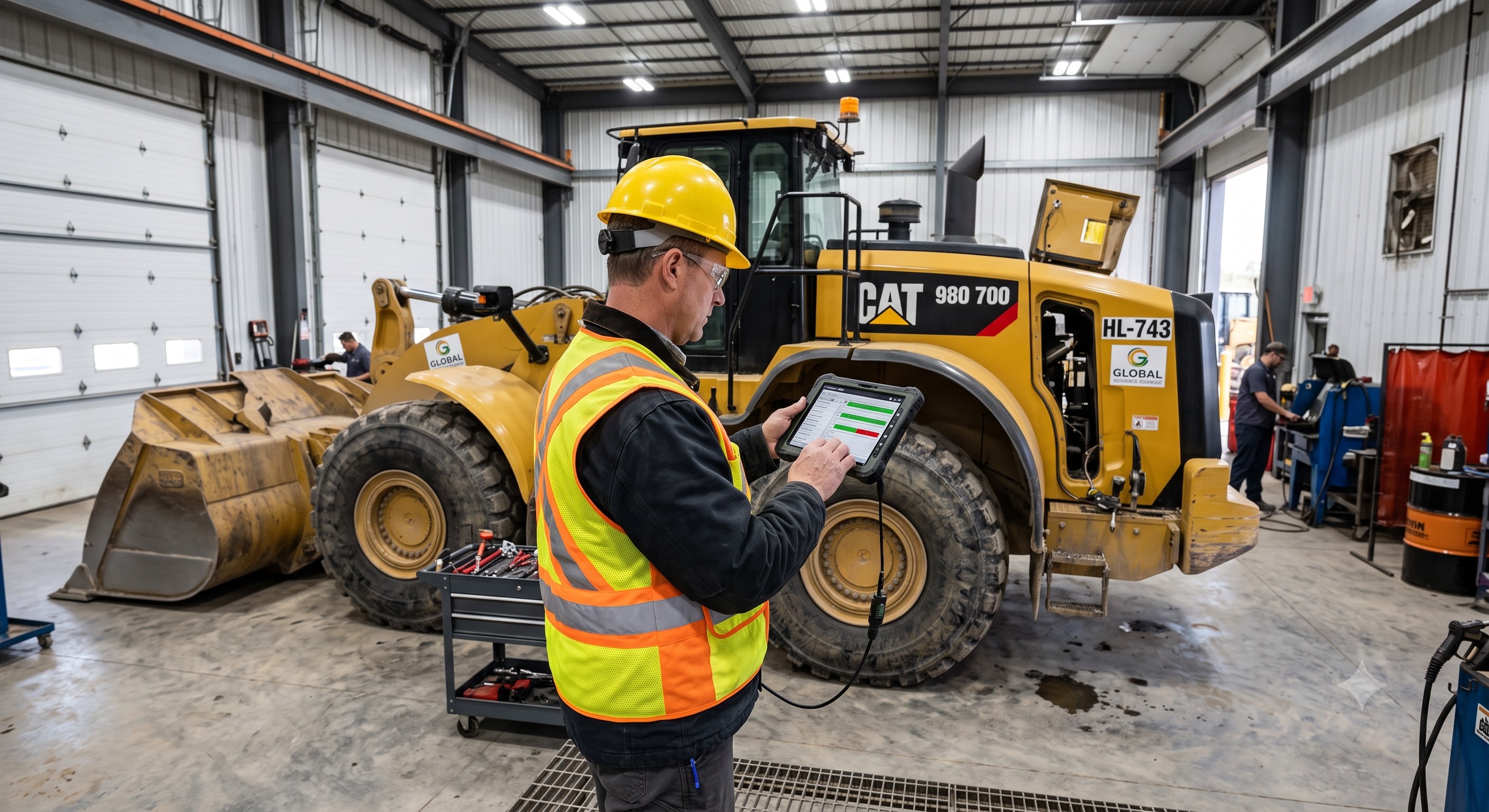
Frequently Asked Questions
Q1: What is the standard operating capacity and payload for a 12 ton heavy loader?
The standard rated operating capacity for a 12-ton heavy loader is typically 12,000 kg, with a static tipping load at full turn often exceeding this, for instance, around 12,120 kg for some models . This rated load is a key specification, but it's vital to consider the machine's tipping load—the point at which it becomes unstable—for safe operation. For example, one model has a tipping load of 31,200 kg, allowing for substantial heavy-duty work with proper ballast .
Q2: What are the key engine and emissions specifications to consider?
Engine power for these loaders typically ranges from 180 kW to 419 kW, with Volvo D7E and Cummins engines being common choices . When evaluating, check for compliance with regional emission standards, as some models feature advanced engines designed to meet strict regulations while delivering high torque at low RPMs for efficient performance.
Q3: What is the recommended maintenance interval for a 12 ton loader?
Daily maintenance checks are required, but comprehensive service intervals follow a structured hourly schedule . A standard preventive maintenance schedule includes: Daily or every 10 hours (fluid checks, greasing); Every 50 hours (drain water from fuel system); Every 250 hours (check air filter, tighten belts); Every 500 hours (replace transmission oil, filters); Every 1,000 hours (replace hydraulic oil, coolant); and major overhauls at 2,000 to 10,000 hours .
Q4: How often should hydraulic fluid be replaced in a 12 ton heavy loader?
Hydraulic fluid should be replaced every 2,000 operating hours or annually, whichever comes first, to maintain system integrity . However, if the fluid becomes contaminated (discolored or contains sediment), replacement is necessary sooner. Filter elements are typically replaced more frequently—the return filter every 250 hours and the suction filter every 2,000 hours .
Q5: How do I ensure compatibility when sourcing spare parts for a 12 ton loader?
Use only parts that meet the original equipment manufacturer (OEM) specifications, which can be found in your machine's operation manual . For critical components like hydraulic filters and engine parts, using non-specified parts can void warranties and damage systems. Many third-party suppliers offer compatible parts, but it is critical to verify that the specifications match your exact model and serial number .
Q6: What is the typical bucket capacity of a 12 ton loader?
The bucket capacity for a 12-ton loader varies depending on the model and application, but it commonly ranges from 3.5 cubic meters to 7.0 cubic meters . For heavy-duty applications like mining, reinforced rock buckets are often used. A larger bucket capacity can improve productivity by moving more material per cycle.
Q7: Are there specific maintenance considerations for heavy-duty or dusty conditions?
Yes, for heavy-duty, dusty, or humid conditions, you must shorten the standard maintenance intervals . For example, air filters and radiators need more frequent cleaning or replacement, and lubrication points require more regular greasing to prevent premature wear . Some suppliers recommend performing maintenance procedures at half the standard intervals in such environments .