WELCOME TO OUR BLOG

We're sharing knowledge in the areas which fascinate us the most
click

Water Trucks: The Most Underrated Machine on Your Job Site

By globalmachex March 27th, 2026 18 views

Quick Intro—Why a Water Truck Is More Than a Sprinkler on Wheels


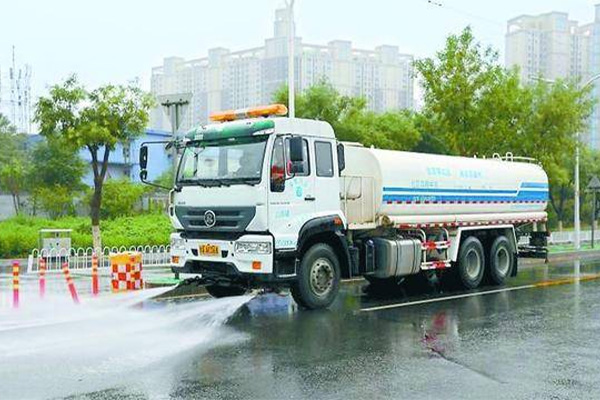
A water truck looks simple. Big tank, spray bar, maybe a hose reel. Drive around, spray water, repeat. What's the big deal?

The big deal is what happens when you stop thinking of it as a dust truck and start thinking of it as a mobile water utility. That tank holds 2,000 to 5,000 gallons of water. That's not just dust control—that's a fire extinguisher, a road maintenance tool, a pressure washer, and a water supply all rolled into one.

The contractors who get the most out of their water trucks don't just use them for dust. They spec them right, maintain them right, and train their people to use them for everything they're capable of.

Answering the Main Question


Fire Safety—Because Nobody Plans for a Fire

In remote sites, your water truck might be the only source of pressurized water within miles. That's a big responsibility.

Water trucks can wet down hot work areas before any welding or cutting starts. Soak the ground, wet down nearby brush, create a barrier that a stray spark can't cross .

If you're in wildfire country, a water truck can create fire breaks around the site—dampening the perimeter so a brush fire can't get in. That's not theoretical. That's saved sites.

And if a fire does start, that 2,000 to 5,000 gallons is a lot of extinguisher. Enough to knock down a small fire or buy time for the fire department to get there .

If you want your truck to pull fire duty, make sure it's equipped. A water cannon or high-pressure hose reel is essential. You need to be able to reach places the truck itself can't go .

Road Maintenance—Keeping Haul Roads Hauling

Those haul roads take a beating. Heavy trucks, constant traffic, loose material—they turn into washboards and potholes fast.

A water truck with sweeper nozzles can clear rocks and debris off the road . That's not just nice—it saves tires. Construction tires cost thousands of dollars each. Clear roads mean fewer flats and longer life .

Water also helps keep the road compacted. Too dry, and the soil won't bind. Too wet, and it turns to mud. A well-adjusted spray bar lets you put down just enough water to keep the road solid .

Less dust means better visibility. Better visibility means fewer accidents. And a well-maintained road means faster travel for haul trucks, which means more loads per shift .

Equipment Cleaning—The Maintenance Tool Nobody Thinks About

Mud and debris hide problems. Cracked frames, loose bolts, hydraulic leaks—all of it gets buried under dried mud .

A water truck with a high-pressure hose makes quick work of cleaning equipment at the end of the day. Clean machines are easier to inspect, easier to service, and less likely to overheat from caked-on mud .

There's also the legal side. When equipment leaves the site, it can't track mud onto public roads. A quick wash-down at the exit point keeps you out of trouble with the DOT and keeps roads safe for other drivers .

The Customization That Actually Matters

Before you buy or spec a water truck, think about where it's going to work and what it's going to do.

Steep terrain? Get a stronger chassis. A loaded water truck is heavy. Slopes are hard on frames.

Remote site? Make sure you have a suction pump and hose. Being able to pull water from a pond, creek, or lake means you're not driving miles to refill. That saves fuel, time, and money .

Fire duty? Water cannon, high-pressure reel, maybe foam capability if that's a concern.

Road work? Sweeper nozzles, adjustable spray bar, good pressure.

Equipment cleaning? High-pressure hose with decent reach.

The cost of adding these features has gone up. So has the cost of the trucks themselves. Spec it right the first time, or you'll pay twice.

Driving Matters More Than You Think

Here's something nobody talks about. How you drive a water truck affects how long it lasts.

Hard braking, sharp turns, high speeds—all of it makes thousands of pounds of water slam into the front or side of the tank. That's stress. Stress that eventually cracks mounts, loosens components, and wears out the truck faster than it should .

Train your operators. Smooth starts, gentle stops, easy turns. The water isn't going anywhere. There's no prize for getting there ten seconds faster.

How to Actually Get Your Money's Worth


Step One: Map Out the Jobs

Before you buy, list what you need the truck to do. Dust control? Fire protection? Road maintenance? Equipment washing? Water supply for other tasks?

Each one might require different features. Get them all on the list before you start shopping.

Step Two: Spec It Right

Once you know what you need, spec the truck accordingly. Stronger chassis for rough terrain. Suction hose for remote sites. High-pressure reel for cleaning and fire. Sweeper nozzles for roads.

Don't let someone talk you into a bare-bones truck if you're going to need the bells and whistles. Adding them later costs more.

Step Three: Train Your People

A water truck is not a race car. Smooth driving extends its life. Show your operators how to handle it. Brake early. Turn easy. Keep it steady.

Also show them how to use the attachments. That water cannon isn't much good if nobody knows how to turn it on.

Step Four: Maintain It

Water trucks have pumps, hoses, nozzles, and valves—all of which need attention. Check for leaks. Clean filters. Drain tanks if it's going to freeze. The truck itself needs the same maintenance as any other heavy truck. Don't ignore it just because it's not hauling dirt.

Step Five: Don't Sell It Too Soon

When the job slows down, there's always pressure to sell equipment. But water trucks are getting more expensive. The one you sell today might cost twice as much to replace next year.

If it's in good shape, hang onto it. Use it for road maintenance. Wash down the other equipment. Keep it around for fire season. A water truck that's not earning every day can still earn its keep when you need it.

Summary


Here's the short version for when you're looking at that water truck and wondering if it's pulling its weight:

  • Water trucks do more than dust control. Fire safety, road maintenance, equipment cleaning, water supply.
  • Fire protection requires a water cannon or high-pressure hose reel. Make sure you have it.
  • Road maintenance saves tires, keeps haul roads moving, and improves fuel efficiency.
  • Equipment cleaning makes inspection easier and prevents overheating.
  • Spec the truck for the terrain and tasks. Stronger chassis for steep sites. Suction hose for remote work.
  • Smooth driving extends truck life. Train operators to take it easy.
  • Don't sell it too soon. Prices are climbing. A good water truck is worth keeping.

Most crews treat water trucks like they're nothing special. But the ones who spec them right, maintain them, and use them for everything they can do? They're the ones who get their money's worth.

Frequently Asked Questions

Q: How much water does a typical water truck hold?

A: Most hold between 2,000 and 5,000 gallons. Bigger ones exist, but that's the common range .

Q: Can a water truck really put out a fire?

A: For small fires, yes. 5,000 gallons is a lot of water. It's not replacing the fire department, but it's enough to knock down a small blaze or buy time .

Q: Do I need a special license to drive a water truck?

A: In most places, yes. If it's over 26,000 pounds, you need a CDL. Water trucks usually are .

Q: How do I fill a water truck in a remote area?

A: With a suction pump and hose, you can pull from ponds, creeks, or lakes. Check local regulations first—some areas restrict water withdrawal .

Q: What's the most common mistake people make with water trucks?

A: Not using them for enough tasks. They're bought for dust control and then ignored. The ones that earn their keep are used for multiple jobs .

Q: How often should I clean the tank?

A: Depends on what's been in it. If you're pulling from natural sources, sediment builds up. If you're using city water, less often. Inspect it yearly at minimum .

Driver Safety Training: 12 Topics Your Trucking Company Can't Afford to Skip
Previous
Driver Safety Training: 12 Topics Your Trucking Company Can't Afford to Skip
Read More
Why Particle Size Matters in Mining: From Blast to Buyer
Next
Why Particle Size Matters in Mining: From Blast to Buyer
Read More