Let's get something straight right now. Genuine parts cost more. Sometimes a lot more. And yeah, part of that is the dealer making money. But here's what you're actually paying for:
They fit. Not "kind of" or "you can make it work." They fit.
They last. The metallurgy, the heat treating, the tolerances—all of it is designed to work together.
They come with a warranty. If a genuine part fails, you've got recourse. If a no-name part fails, you're buying another one.
Now, does that mean you always need genuine? No. There are plenty of parts where aftermarket is fine. But there are also parts where cheaping out will cost you ten times what you saved. This article is about telling the difference.

Track Shoes
If your grader has tracks, the shoes are what touch the ground. They take a beating every single day. Rocks, dirt, mud, pavement—whatever you're running on, the shoes absorb it all .
Track shoes wear out. That's just life. But how fast depends on what you're running on and how often you check them. Rocky terrain chews them up quick. Mud and dirt are easier.
The key is watching for wear patterns. If one side is wearing faster than the other, something's out of alignment. Fix it before you eat through a set of shoes in six months.
Also, keep them clean. Packed material between the shoes adds stress and accelerates wear .
The Bottom Line on Undercarriage
This is not where you cheap out. Undercarriage parts are expensive to replace, and cheap ones fail faster. Genuine or high-quality aftermarket only. And check them regularly— catching wear early saves a pile of money.
Filters are the unsung heroes of any machine. They're cheap, they're simple, and when they work, you never think about them. But when they fail, everything stops.
Oil Filters
The oil filter cleans your engine oil. If it gets clogged, dirty oil bypasses the filter and goes straight through your engine . That's how engines die.
Change it every oil change. Don't stretch it. Oil filters cost twenty bucks. Engines cost twenty thousand.
Fuel Filters
Diesel fuel isn't always clean. Water, dirt, crap in the tank—it all goes through your fuel system. The fuel filter catches it before it reaches your injectors .
If your grader is hard to start, loses power, or runs rough, check the fuel filter first. It's usually the problem.
Air Filters
Graders work in dust. Lots of dust. The air filter keeps that dust out of your engine's cylinders. Once it clogs, your engine starves for air, loses power, and burns more fuel .
In dusty conditions, check it daily. Tap it out, blow it clean, replace it when it's done. Don't let a $50 filter kill a $50,000 engine.
Hydraulic Filters
Hydraulic systems run on clean oil. Dirty oil eats pumps, valves, and cylinders from the inside. Hydraulic filters remove the contaminants before they cause damage .
There are different types—return filters, pressure filters, pilot filters—but they all do the same thing: keep your hydraulic oil clean .
Change them on schedule. Hydraulic repairs are expensive.
The Bottom Line on Filters
Filters are cheap. Buy genuine or good aftermarket. Change them on time. This is not where you save money.
Teeth and Tooth Pins
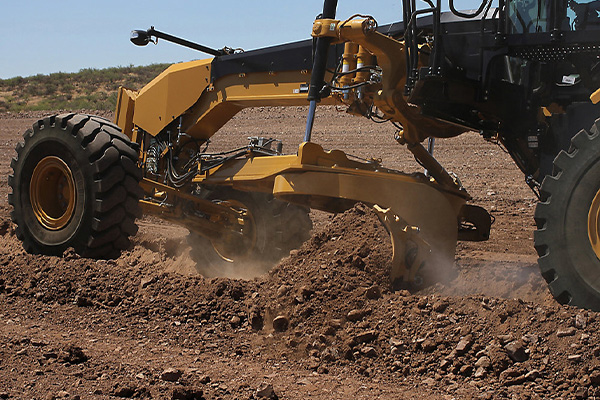
Teeth are what make contact with the ground. They wear out. That's their job. But running worn teeth makes your machine work harder, burns more fuel, and gives you a worse finish .
Different teeth for different jobs. Rock teeth for rock. Dirt teeth for dirt. Using the wrong type wears them out fast .
The pins that hold them on wear too. Check them. If a pin breaks, you lose a tooth. If you lose a tooth, you lose cutting efficiency.
Left and Right Teeth
Some graders have different teeth for left and right sides. They're angled differently to cut better depending on which way you're running .
Putting the wrong one on the wrong side messes up your cutting angle and wears unevenly. Pay attention when you change them.
The Bottom Line on Teeth
Teeth are consumables. You're going to buy them over and over. But using the right type for the job, and changing them before they're completely worn, saves fuel and gives you a better result.
Nuts, Washers, and Bolts
Nobody thinks about these until something rattles loose and falls off on the job site. But graders vibrate. Constantly. Vibration loosens things .
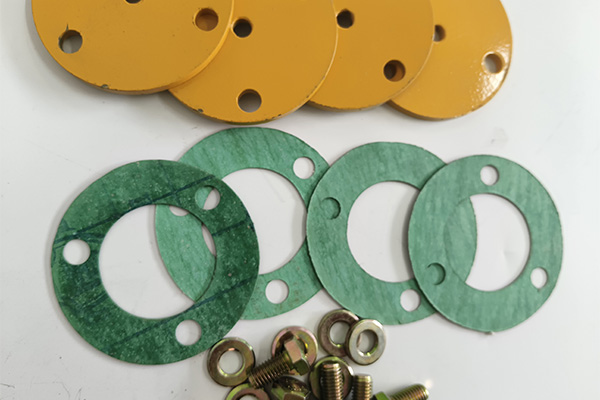
Nuts and washers distribute pressure and keep bolts from backing out . Check them. Tighten them. Replace them if they're stretched or rusted.
Bolts come in different grades. Grade 5, Grade 8, metric classes—they're not all the same . Using the wrong grade on a critical component is asking for trouble. If a genuine bolt calls for Grade 8, don't replace it with Grade 5 because it's cheaper. It'll break.
The Bottom Line on Hardware
Hardware is cheap. Keep spares. Check tightness regularly. Use the right grade for the job.

Before you call anyone, figure out exactly what part you're looking for. The part number. The serial number of your machine. The year, model, and any modifications.
Guessing gets you the wrong part. The wrong part wastes time and money.
Some parts, you buy genuine. Period. Engine internals, hydraulic pumps, critical drivetrain components—these aren't experiments.
Other parts, aftermarket is fine. Filters from a reputable brand. Wear items like teeth and cutting edges. Hardware.
The key is knowing which is which. When in doubt, ask someone who's been doing this awhile.
Look for suppliers with a track record. Established dealers, well-known parts houses, companies that have been around.
Check their return policy. Check their warranty. If they won't stand behind what they sell, move on.
Counterfeit parts are real. They come in fake boxes with fake labels and fail fast .
Look for manufacturer markings. Check serial numbers. Genuine parts usually come with documentation. If the price is too good to be true, it probably is.
Write down what you bought, when, and where. Keep receipts. Track how long parts last.
This helps you spot patterns—like a certain brand of filter that always clogs early, or a supplier whose parts never seem to fit right.

Here's the short version:
Your motor grader is a complex machine. Treat it right, use good parts, and it'll treat you right back.
A: Sometimes. Reputable aftermarket brands make good stuff. But for critical components—engine parts, hydraulics, drivetrain—genuine is safer. For wear items like filters and teeth, quality aftermarket is fine .
A: Bad packaging, missing logos, no serial numbers, and prices way below market. If it looks wrong, it probably is. Buy from trusted sources .
A: Yes, as long as they're compatible. Just don't cheap out on critical stuff. A genuine hydraulic pump with an aftermarket filter is fine. An aftermarket pump with genuine filters might be a gamble .
A: Follow the manual, but in dusty or harsh conditions, change them more often. Oil filters every oil change. Fuel filters at least twice a year. Air filters when they look dirty .
A: Buying the wrong part because they didn't check the serial number. Or buying cheap hardware for critical applications and having it fail. Or ignoring filters until something breaks .
A: For common wear items—filters, belts, hoses, teeth—yes. Downtime costs more than parts. For major components, probably not. They're expensive and you might never need them .