WELCOME TO OUR BLOG

We're sharing knowledge in the areas which fascinate us the most
click

Garbage Trucks: The Different Types and What Each One Actually Does

By globalmachex March 16th, 2026 42 views

Quick Intro—Why You Can't Just Use One Truck for Everything


Let's be honest. Trash is trash, right? Just throw it in a truck and haul it away. How hard can it be?

Harder than you think. Because trash comes in different forms. Household garbage in plastic bags is different from construction debris. Dumpsters full of waste need different handling than individual cans on the curb. And if you're hauling loose scrap metal, that's another problem entirely.

The trucks are built for specific jobs. Use the wrong one and you'll spend all day fighting the equipment instead of moving waste. The right truck makes the job smooth, efficient, and profitable.

Answering the Main Question


What Makes a Garbage Truck a Garbage Truck?

Before we get into types, let's cover the basics. A garbage truck is any vehicle designed to collect, transport, and dispose of waste . That sounds simple, but the details matter.

Most garbage trucks share a few things: a large capacity body, a hydraulic system for loading and unloading, and enough durability to handle heavy, dirty loads day after day .

Beyond that, they're all different. The loading mechanism, the compaction system, the way they pick up containers—these determine what job the truck is built for.

Compactor Trucks—The Ones That Squish Your Trash

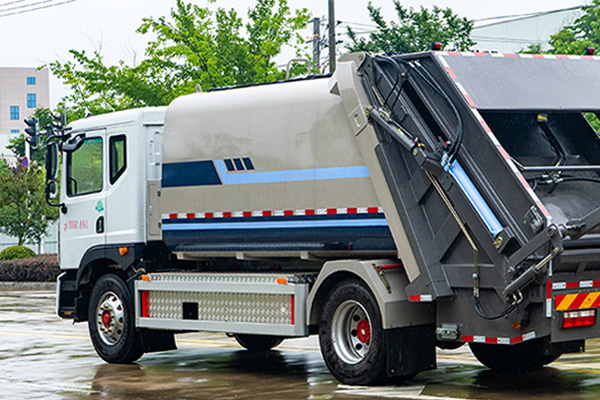
If you live in a city or suburb, this is probably the truck you see on your street. It's the one with the hydraulic arm that grabs your bin, dumps it, and then crushes everything together .

How they work: Waste goes into a hopper, then a hydraulic blade pushes it into the main body and compresses it . This lets the truck carry way more trash than if it just tossed loose bags in.

Where they're used: Residential routes, apartment complexes, commercial areas with lots of trash . Anywhere you need to pack as much waste as possible into one load.

Why they're good: Fewer trips to the landfill, less fuel burned, less labor. The compaction also reduces odors and keeps trash from blowing out during transport .

The downside: They're heavy, they're expensive, and they need regular maintenance on those hydraulic systems.

Hook Loaders—The Dumpster Movers

Ever see a truck pick up an entire dumpster using nothing but a hook and a cable? That's a hook loader .

How they work: A hydraulic arm hooks onto a container (called a skip or dumpster), winches it onto the truck bed, and locks it in place . To unload, the process reverses—the arm tilts the bed and the container slides off.

Where they're used: Construction sites, industrial facilities, scrap yards, anywhere with big containers full of heavy waste . Perfect for demolition debris, metal scrap, and bulk materials.

Why they're good: One truck can service multiple containers. Drop an empty, pick up a full, keep moving. No need for a dedicated truck per container .

The downside: The truck itself is useless without containers. You need a fleet of bins to make it work.

Skip Loaders—The Flexible Cousin

Skip loaders look similar to hook loaders but work differently. Instead of a winch, they use a hydraulic arm to lift containers onto the bed .

How they work: The arm reaches out, grabs a skip, lifts it up and over, and sets it on the truck . It's more like a giant forklift arm than a winch system.

Where they're used: Construction and demolition, commercial waste, bulk collections . Great for sites where containers need to be moved but space is tight.

Why they're good: More maneuverable than hook loaders in some situations. Can place containers more precisely. Works well in tight urban sites .

The downside: Typically lower capacity than hook loaders. The arm mechanism adds complexity.

Rear Loaders—The Traditional Workhorses

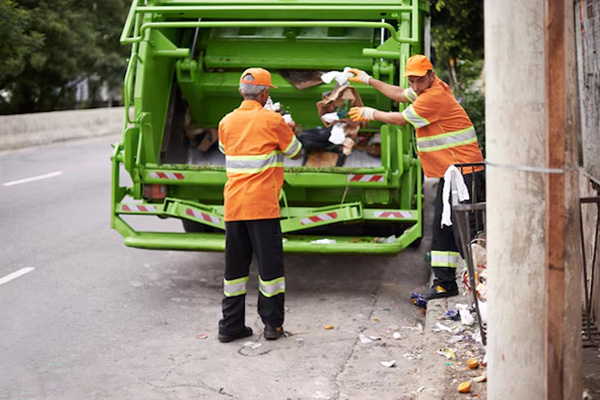
This is the classic garbage truck you remember from old movies. Workers hanging off the back, tossing bags into a hopper .

How they work: Trash goes into a low-height hopper at the rear, then a hydraulic blade pushes it forward into the body . Simple, mechanical, proven.

Where they're used: Residential areas, especially where automated side loaders can't reach. Also common in smaller municipalities with older equipment .

Why they're good: Reliable, easy to maintain, works with any kind of trash container. Doesn't need specialized bins .

The downside: Requires manual labor. Slower than automated systems. Workers are exposed to traffic and weather.

Side Loaders—The Modern Automated Solution

These trucks are becoming more common in cities. Instead of workers on the back, they use a mechanical arm to grab bins from the side .

How they work: The driver positions the truck next to bins, an articulated arm reaches out, grabs the bin, dumps it, and sets it back . All from inside the cab.

Where they're used: Residential routes with consistent curb-side pickup. Newer subdivisions, cities with modern fleets .

Why they're good: One operator does the whole route. No manual lifting, less injury risk, faster collection. Many are automated for efficiency .

The downside: Requires uniform bins that the arm can grab. Doesn't work well with random containers or tight streets where the arm can't reach.

Self-Tipping Trucks—The Specialty Haulers

Some trucks don't just collect waste—they also dump it without help. Self-tipping trucks have built-in systems to empty their load into disposal containers or pits .

How they work: Hydraulics tilt the entire body or operate a dumping mechanism, allowing the truck to empty itself without additional equipment .

Where they're used: Industrial sites, transfer stations, places where unloading needs to happen fast without waiting for extra machinery .

Why they're good: Saves time, reduces need for unloading equipment, keeps operations moving .

The downside: More complex hydraulics, more things to break.

How to Pick the Right Truck for the Job


Step One: Know Your Waste

What are you hauling? Household trash in bags? Construction debris? Industrial scrap? Commercial dumpsters?

  • Loose residential waste? Compactor truck.
  • Big containers full of heavy demolition material? Hook loader or skip loader.
  • Curbside bins in a subdivision? Automated side loader.
  • Mixed bag of everything? Rear loader for versatility.

Step Two: Know Your Routes

Where are you collecting? Tight city streets? Suburban cul-de-sacs? Rural roads? Construction sites?

  • Narrow streets with parked cars? Side loaders struggle. Rear loaders or smaller trucks work better.
  • Wide suburban roads with consistent bin placement? Automated side loaders shine.
  • Off-road construction sites? Hook loaders and skip loaders handle rough terrain.

Step Three: Know Your Volume

How much waste are you moving? A few tons a day? Hundreds of tons?

  • Low volume? A simple rear loader might be enough.
  • High volume? You need compaction or multiple containers.
  • Peak seasons? Make sure your fleet can handle the surge.

Step Four: Know Your Labor

Do you have a crew or just drivers? Automated trucks need fewer people but cost more upfront. Manual trucks need bodies but are cheaper to buy.

Step Five: Know Your Budget

Upfront cost, maintenance, fuel, labor—all of it matters. The cheapest truck to buy might be the most expensive to run.

Summary


Here's the short version for when you're trying to figure out which garbage truck you need:

  • Compactor trucks crush waste to carry more. Best for residential and commercial routes with lots of loose trash.
  • Hook loaders pick up and drop off big containers. Perfect for construction, industrial, and bulk waste.
  • Skip loaders lift containers with an arm. Good for tight sites and precise placement.
  • Rear loaders are the traditional manual trucks. Reliable, versatile, but labor-intensive.
  • Side loaders use automated arms. Fast, efficient, one-person operation.
  • Self-tipping trucks dump their own loads. Great for transfer stations and industrial use.

Match the truck to the waste, the route, the volume, the labor, and the budget. Get it right and the trash disappears like magic. Get it wrong and you'll be explaining why that construction debris is still sitting there.

Frequently Asked Questions

Q: What's the most common type of garbage truck?

A: In residential areas, rear loaders and automated side loaders are most common. For commercial and industrial, hook loaders and skip loaders dominate .

Q: How much trash can a compactor truck hold?

A: Depends on size, but typically 20 to 30 cubic yards of compacted waste. That's a lot of household trash .

Q: Can a hook loader use any dumpster?

A: No. Containers need to be designed for hook loader systems with the right reinforcement and hook points .

Q: Are automated side loaders worth the cost?

A: For high-volume residential routes, yes. One operator does the work of a crew. Fewer injuries, faster collection. But they need consistent bins .

Q: What's the difference between a hook loader and a skip loader?

A: Hook loaders use a cable and winch to pull containers on. Skip loaders use a hydraulic arm to lift them. Hook loaders are better for heavy containers; skip loaders are more maneuverable .

Q: How often do garbage trucks need maintenance?

A: Constantly. Hydraulic systems, compaction mechanisms, and chassis take heavy wear. Daily inspections and regular service are essential .

Froth Flotation: How Bubbles Sort Your Minerals and What It Takes to Make It Work
Previous
Froth Flotation: How Bubbles Sort Your Minerals and What It Takes to Make It Work
Read More
Dump Truck Efficiency: How to Get More Work Done with Less Headache
Next
Dump Truck Efficiency: How to Get More Work Done with Less Headache
Read More