WELCOME TO OUR BLOG

We're sharing knowledge in the areas which fascinate us the most
click

Dry Van Trucking: What It Is, How It Works, and What You Need to Know

By globalmachex April 11th, 2026 10 views

Quick Intro—Why Dry Vans Are Everywhere


Let's be honest. If you've ever ordered anything online, it probably spent time in a dry van. That box on your porch? Dry van. The clothes at the mall? Dry van. The lumber for that deck you built? Dry van.

Dry vans are the workhorses. They're not fancy. They don't have refrigeration or open decks. They're just big boxes on wheels. But they move more stuff than any other trailer type because most stuff doesn't need special handling. It just needs to get from point A to point B without getting wet or stolen.

The guys who make this work don't just throw boxes in and hope. They think about weight distribution, securement, trailer availability, carrier reliability. Because when it goes wrong, it's not the trailer's fault—it's the planning.

Answering the Main Question


What Actually Is a Dry Van?

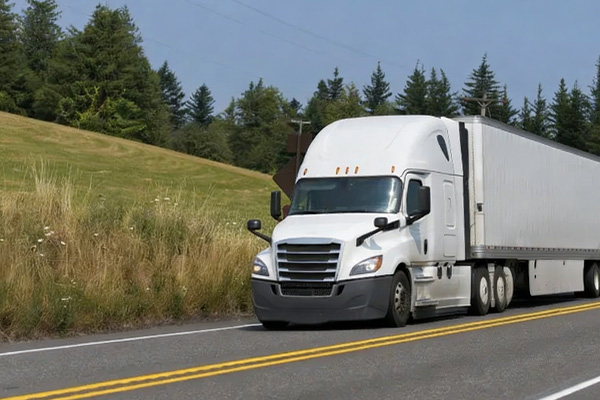
A dry van is an enclosed trailer with no temperature control. That's it. Just a box on wheels, made of aluminum or composite panels, with doors at the back .

The key word is "dry." It keeps rain, snow, dust, and road grime off your freight. It doesn't keep things cold or hot. If your product needs refrigeration, you need a reefer. If it's too big to fit in a box, you need a flatbed. But if it's standard palletized goods that don't mind normal temperatures, dry van is your answer .

Common Sizes That Matter

Not all dry vans are the same. Size matters because space is money.

53-foot trailers are the industry standard. About 4,500 cubic feet of space . If you're shipping a full truckload, this is what you want.

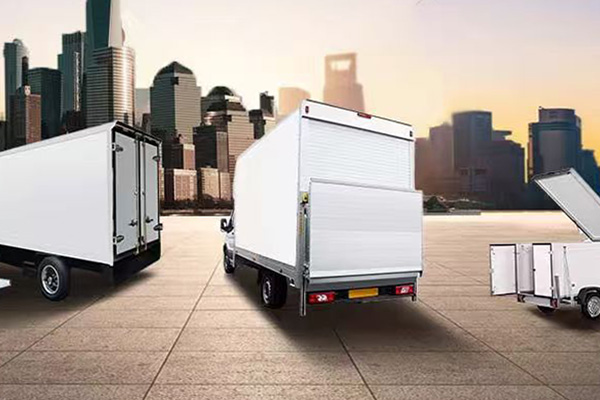
48-foot trailers are a little shorter—around 4,000 cubic feet . Good for full loads that don't quite need the biggest box, or for LTL shipments where you're sharing space.

28-foot trailers (pups) are the short ones. About 2,300 cubic feet . These are for tight city deliveries, shorter hauls, and LTL freight. Easier to maneuver, less space.

Pick the wrong size and you're either paying for air you don't use or trying to squeeze freight into a box that's too small.

What Moves in Dry Vans?

If you can put it on a pallet and it doesn't need refrigeration, it probably goes in a dry van.

Retail goods—clothing, electronics, furniture, home decor . Everything that fills store shelves.

Manufacturing supplies—raw materials, components, finished products moving between factories and warehouses .

Building materials—lumber, drywall, roofing, plumbing fixtures . As long as it's not too long for the box.

Auto parts—engine components, body panels, assemblies .

Non-perishable food—canned goods, cereal, snacks, drinks in bottles . Anything that doesn't spoil at room temperature.

Appliances—washers, dryers, refrigerators (the appliances themselves, not the food inside) .

The list goes on. Basically, if it fits and doesn't need special handling, dry van handles it.

The Good and the Bad

Advantages:

  • Cost-effective. Dry vans are cheaper than reefers or flatbeds .
  • Widely available. More dry vans on the road than any other trailer type .
  • Protection from weather. Your stuff stays dry and clean .
  • Versatile. Handles most freight that isn't oversized or temperature-sensitive .

Disadvantages:

  • No temperature control. If it freezes or melts, don't put it here .
  • Limited size. Oversize loads won't fit .
  • Wood floors can be damaged by moisture or certain products .
  • Availability can tighten up during peak seasons. Everyone wants a dry van at the same time .

How to Actually Make Dry Van Shipping Work for You


Step One: Pick the Right Trailer Size

Don't guess. Measure your freight. Know your pallet count. A 53-foot trailer holds about 26 to 30 standard pallets, depending on how you load . If you only have 10 pallets, you might not need a full truck. LTL could save you money.

If you're shipping to a city with tight streets, a 53-footer might be a nightmare. Consider pups for urban deliveries.

Step Two: Load It Right

Weight distribution matters. Heavy stuff on the bottom, evenly spread . If it's all on one side, the trailer handles badly and you risk tipping.

Secure the load. Straps, bars, dunnage—whatever it takes to keep stuff from shifting . Shifting cargo damages product and can cause accidents.

Don't overload. Weight limits exist for a reason. Overweight trailers get pulled out of service, and your shipment sits.

Step Three: Pick a Good Carrier

Not all carriers are the same. Look for:

  • Safety record. DOT scores, inspection results .
  • On-time performance. Do they deliver when they say they will?
  • Experience with your type of freight. Some carriers specialize.
  • Communication. Do they keep you updated?

Cheapest isn't always best. A cheap carrier that loses your shipment or delivers late costs more in the long run.

Step Four: Understand Rates

Freight rates bounce around. Fuel prices, seasonal demand, trailer availability—all affect what you pay .

Build relationships with carriers. If you're a reliable customer with consistent volume, you'll get better rates and priority when things get tight.

Don't wait until the last minute to book. Peak seasons fill up fast.

Step Five: Use Technology

Track your shipments. Real-time visibility means no surprises .

Use data to spot problems. If a certain route always delays, find out why. If a carrier's damage rate is high, find another.

Software won't fix everything, but it helps you see what's happening.

Step Six: Measure and Improve

Track KPIs. On-time delivery, damage rates, cost per shipment .

If damage goes up, look at loading procedures or carrier performance. If on-time drops, look at routes or carriers.

Continuous improvement isn't just a buzzword. It's how you stop making the same mistakes twice.

Summary


Here's the short version for when you're trying to figure out dry van shipping:

  • Dry vans are enclosed, unrefrigerated trailers. They move most of the freight in this country.
  • Common sizes: 53-foot (standard), 48-foot (slightly smaller), 28-foot (city work).
  • They carry anything that fits on a pallet and doesn't need temperature control—retail goods, manufacturing supplies, building materials, auto parts, non-perishable food, appliances.
  • Advantages: cost-effective, widely available, weather protection.
  • Disadvantages: no temp control, size limits, wood floors can be damaged, availability can tighten.
  • Pick the right size trailer for your freight.
  • Load carefully—weight distribution, securement, don't overload.
  • Choose carriers based on safety, reliability, and communication, not just price.
  • Understand that rates fluctuate with fuel and demand.
  • Track shipments and use data to improve.
  • Measure performance and fix problems.

Dry van trucking isn't complicated. It's just boxes on wheels. But the details matter. Get them right and your freight moves smooth. Get them wrong and you'll learn why everyone else pays attention to the details.

Frequently Asked Questions

Q: What's the difference between a dry van and a reefer?

A: Reefers have refrigeration. Dry vans don't. If your freight needs to stay cold, you need a reefer .

Q: How many pallets fit in a 53-foot dry van?

A: Usually 26 to 30 standard 48x40 pallets, depending on how you arrange them .


Q: Can I ship food in a dry van?

A: Only non-perishable food that doesn't need temperature control. Canned goods, dry goods, shelf-stable items. No fresh or frozen .


Q: What's LTL shipping?

A: Less-than-truckload. Your freight shares space with other customers' freight in the same trailer. Cheaper if you don't have enough for a full truck .

Q: How do I know if my freight is too big for a dry van?

A: If it's taller than the trailer door, longer than the trailer, or won't fit through the doors, you need a flatbed or specialized equipment .

Q: Why are dry van rates higher sometimes?

A: Supply and demand. When everyone needs a trailer at once—harvest season, holiday shipping—rates go up. Fuel prices also affect rates .

Froth Flotation: How Bubbles Sort Your Minerals and What It Takes to Make It Work
Previous
Froth Flotation: How Bubbles Sort Your Minerals and What It Takes to Make It Work
Read More
Garbage Trucks: The Different Types and What Each One Actually Does
Next
Garbage Trucks: The Different Types and What Each One Actually Does
Read More