

Overview
For B2B procurement and fleet managers, optimizing port handling speed is a critical metric that directly impacts operational throughput. Large excavators are the workhorses of modern ports, and understanding their specifications, maintenance requirements, and operational capabilities is essential for making informed purchasing and management decisions. This FAQ addresses the most common questions regarding these powerful machines, from maximum payloads to service intervals, to ensure your fleet maintains peak efficiency.
Frequently Asked Questions
Q1: How does a large excavator directly improve port handling speed?
A large excavator significantly improves port handling speed by combining massive bucket capacity with swift cycle times, enabling the rapid loading and unloading of bulk materials and containers. For instance, a large excavator like the 374 model can load up to 33 trucks per hour, each carrying 36 to 40 tons of material . This is achieved through a high-powered engine, a large operating weight for stability, and a precisely engineered hydraulic system that delivers exceptional digging forces, allowing for faster material displacement and efficient loading cycles.
Q2: What is the standard maintenance interval for a large excavator in port handling service?
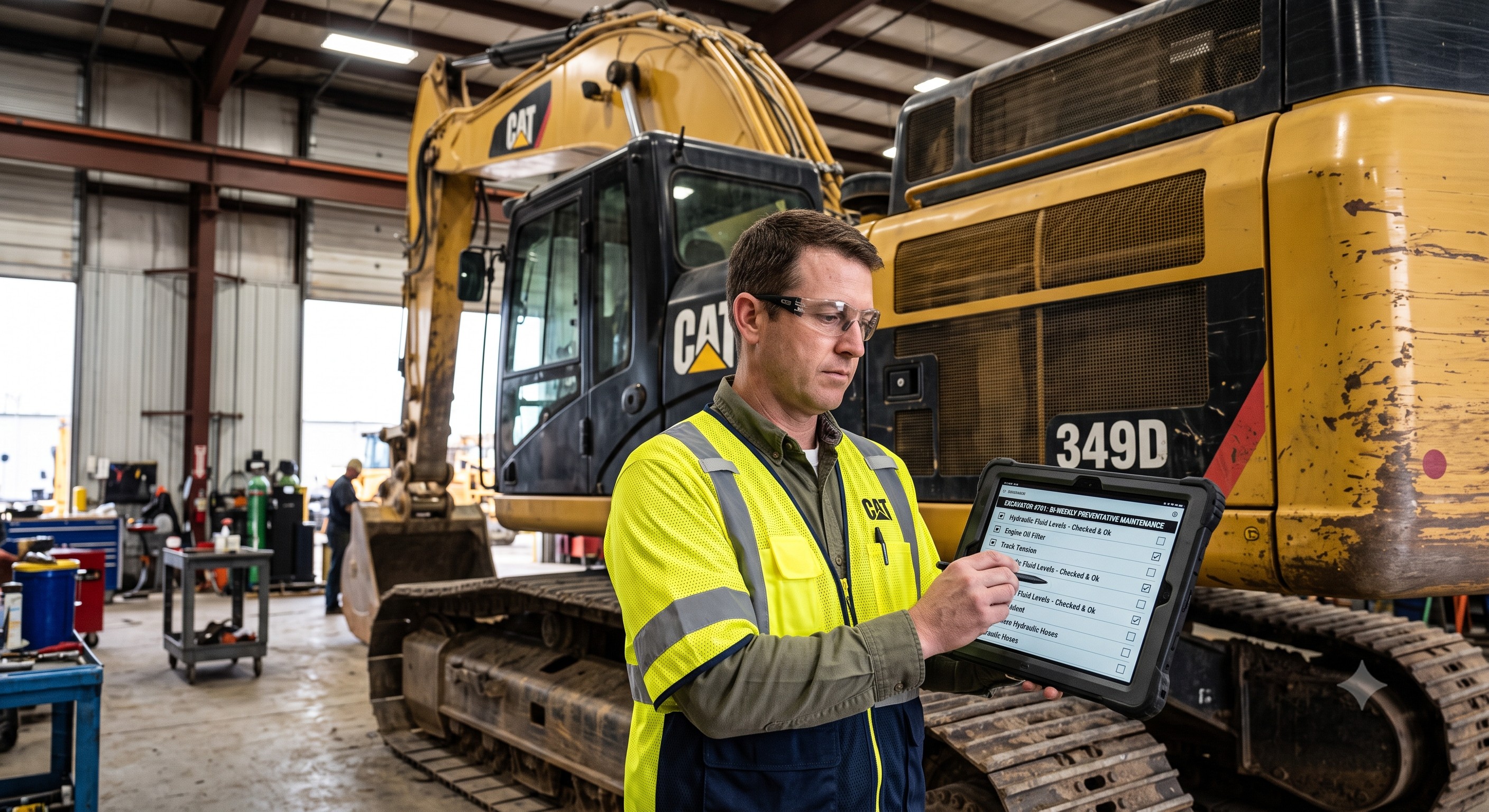
The standard maintenance schedule for a large excavator is typically structured around hourly intervals, with daily checks and major services at 250, 500, 1,000, and 2,000 hours . For equipment operating in severe conditions like ports, services often include engine oil and filter changes at 250 hours, hydraulic oil filter replacements at 500 hours, fuel filter service at 1,000 hours, and a complete hydraulic fluid replacement at 2,000 hours . Daily pre-operation checks on all fluid levels and safety systems are critical .
Q3: What is the maximum payload capacity of a typical large excavator used in ports?
The maximum payload capacity of a large excavator is defined by its operating weight and bucket capacity, which can vary significantly. The SY980H model has an operating weight of 94.2 tons and a standard bucket capacity of 6.1 m³ , while the ZE1250G can weigh up to 116 tons with a bucket capacity ranging from 7.1 to 10 m³ . This substantial capacity allows for the efficient movement of enormous volumes of cargo, directly contributing to high throughput in port operations.
Q4: What are the engine emission standards for large excavators and why do they matter for compliance?
Large excavator engines are subject to stringent emission standards, such as the U.S. EPA Tier 4 Final and Korean Tier 4 regulations, to reduce pollutants like NOx and particulate matter . For example, a Caterpillar D5K2 XL used in port handling is certified to Tier 4 Final/Stage IV emission levels . For fleet managers, adhering to these standards is critical for regulatory compliance and avoiding fines, particularly in regions with strict environmental laws like California, which has specific CARB requirements for off-road diesel engines . Many modern engines achieve compliance without a DPF, reducing maintenance downtime .
Q5: What attachments are compatible with large excavators for specialized port handling tasks?
While specific attachment compatibility is model-dependent, large excavators are highly versatile and can be equipped with various attachments for specialized tasks. Common attachments for port handling include specialized buckets, grapples for handling scrap or logs, and high-reach booms for working on vessels . For example, the Hitachi ZX870LCH-5G is offered as a long-reach model, making it suitable for deep digging and loading operations .
Q6: How often should the hydraulic fluid in a large excavator be replaced?
For a large excavator operating under severe port conditions, hydraulic fluid should be replaced every 2,000 hours of operation . In addition to this major service, regular inspections of the hydraulic system are recommended at 250 hours, with the hydraulic oil filter typically being replaced at 500-hour intervals to maintain fluid cleanliness and system performance . Failure to adhere to this schedule can lead to costly issues like pump failures and cylinder seal damage .
Q7: How does the travel speed of a large excavator affect port logistics?
A large excavator's travel speed impacts its ability to reposition quickly around a port, a key factor in maintaining overall operational efficiency. Travel speeds vary by model; for example, the Hitachi ZX870LCH-5G has a travel speed of 4.5 km/h , while a bulldozer used in the same environment might have a top speed of 9-10 km/h . A faster travel speed allows the machine to move between loading zones or vessels with minimal downtime, thereby smoothing logistical bottlenecks.
Q8: Where can I find detailed specifications and parts data for a specific large excavator model?
Detailed specifications and parts data are best obtained from two primary sources: the original equipment manufacturer (OEM) and specialized technical databases. Authorized dealers provide direct access to manufacturer-specific maintenance schedules and genuine parts catalogs. For broader comparison and technical data, platforms like LECTURA Specs offer verified information on operating weight, dimensions, and engine specs for models such as the Caterpillar D5K2 XL . These resources are essential for parts procurement and fleet management planning.