

Overview
Navigating the direct purchase of a mini excavator requires a thorough understanding of both pre-sale verification and post-sale maintenance. This FAQ provides expert guidance for B2B procurement and fleet managers on critical topics, including verifying machine history, understanding key specifications like operating weight and engine emissions, ensuring attachment compatibility, and adhering to maintenance schedules. Use this guide to make informed decisions and protect your investment.
Frequently Asked Questions
Q1: How do I verify the history and condition of a mini excavator before direct purchase?
To verify a mini excavator's history before direct purchase, run the VIN with a local authorized dealer for service records and check for UCC liens via your Secretary of State's website . A physical inspection is also critical; look for signs of wear, tampering, and overall condition . For a more comprehensive assessment, especially for imported units, request a document pack that includes compliance documentation (e.g., CE, EPA emissions), quality control checklists, and a documented history of parts and service .
Q2: What is the standard operating capacity and key specification to check for a mini excavator?
The standard operating capacity and key specifications vary by model, but critical figures include net power, operating weight, and hydraulic flow. For example, a 10-ton class mini excavator like the Cat 310 has a net power of 69.5 hp and an operating weight range of 21,170 to 23,002 lb . Always check the machine's data plate and compare specifications against the manufacturer's official documentation to ensure the unit matches your project requirements.
Q3: What are the engine emission requirements for mini excavators?
Engine emission requirements for mini excavators depend on the market. For the US, you must verify compliance with U.S. EPA Tier 4 Final emission standards for nonroad diesel engines . When importing, treat engine and emissions compliance as a deal-breaker and request the relevant paperwork from the supplier before finalizing any purchase .
Q4: How can I verify attachment compatibility for a mini excavator?
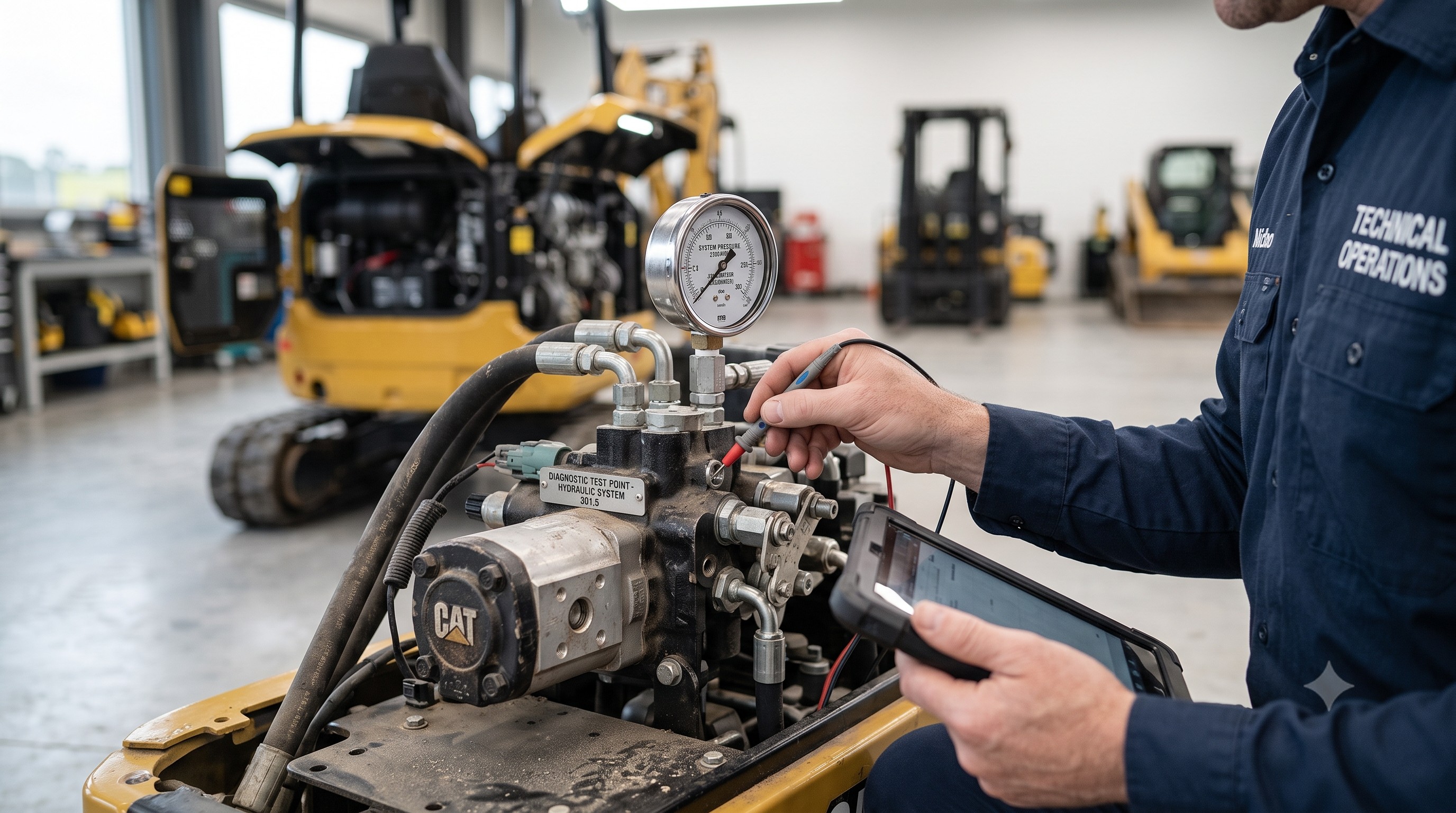
Verify attachment compatibility by checking the machine's auxiliary hydraulic flow and pressure specifications against the attachment's requirements. The auxiliary circuit flow and pressure ratings are key, with primary circuits often delivering up to 35 gpm at 4,134 psi . Consult the manufacturer's attachment guide or your dealer to confirm fitment for specific tools like breakers or augers.
Q5: What is the standard maintenance interval for a mini excavator?
The standard maintenance interval for a mini excavator includes daily visual inspections and more comprehensive service at regular hourly intervals. A daily inspection should cover attachments, hydraulic cylinders, hoses, tracks, and fluid levels . Longer intervals, such as greasing special bushings every 500 hours, are possible with some models , while other maintenance like engine oil and filter changes occur at predefined intervals as specified in the Operation and Maintenance Manual (OMM) .
Q6: When should hydraulic fluid be replaced in a mini excavator?
Hydraulic fluid in a mini excavator should be replaced according to the manufacturer's service schedule, often as part of a weekly or monthly maintenance plan . Always use the manufacturer's specified hydraulic fluid grade (e.g., a 46-grade anti-wear oil) to ensure optimal protection and performance of pumps and valves . Consult your machine's manual for the exact replacement interval and recommended fluid type.
Q7: How can I ensure the availability of spare parts after purchase?
Ensure spare parts availability by selecting a supplier that provides a comprehensive parts list and a clear warranty process before payment. Request a spare parts catalog and a recommended consumables package for the first shipment . For used equipment, you can also check parts availability with an authorized dealer using the machine's serial number.