

Introduction
In the demanding world of construction and land management, site clearing remains one of the most critical and labor-intensive phases of any project. Whether preparing a foundation for a commercial building, clearing land for agricultural use, or rehabilitating a mining site, the task requires robust, reliable, and powerful machinery. The mini excavator has emerged as the definitive solution to these challenges, offering a unique blend of power, precision, and compact maneuverability . Modern mini excavators are not just scaled-down versions of their larger counterparts; they are sophisticated pieces of engineering designed to deliver maximum productivity in confined spaces where larger equipment simply cannot operate . This guide provides a deep technical dive into how to leverage the capabilities of a mini excavator for site clearing tasks, focusing on powertrain efficiency, structural integrity, and attachment versatility to ensure project success.
Core Powertrain & Structural Design
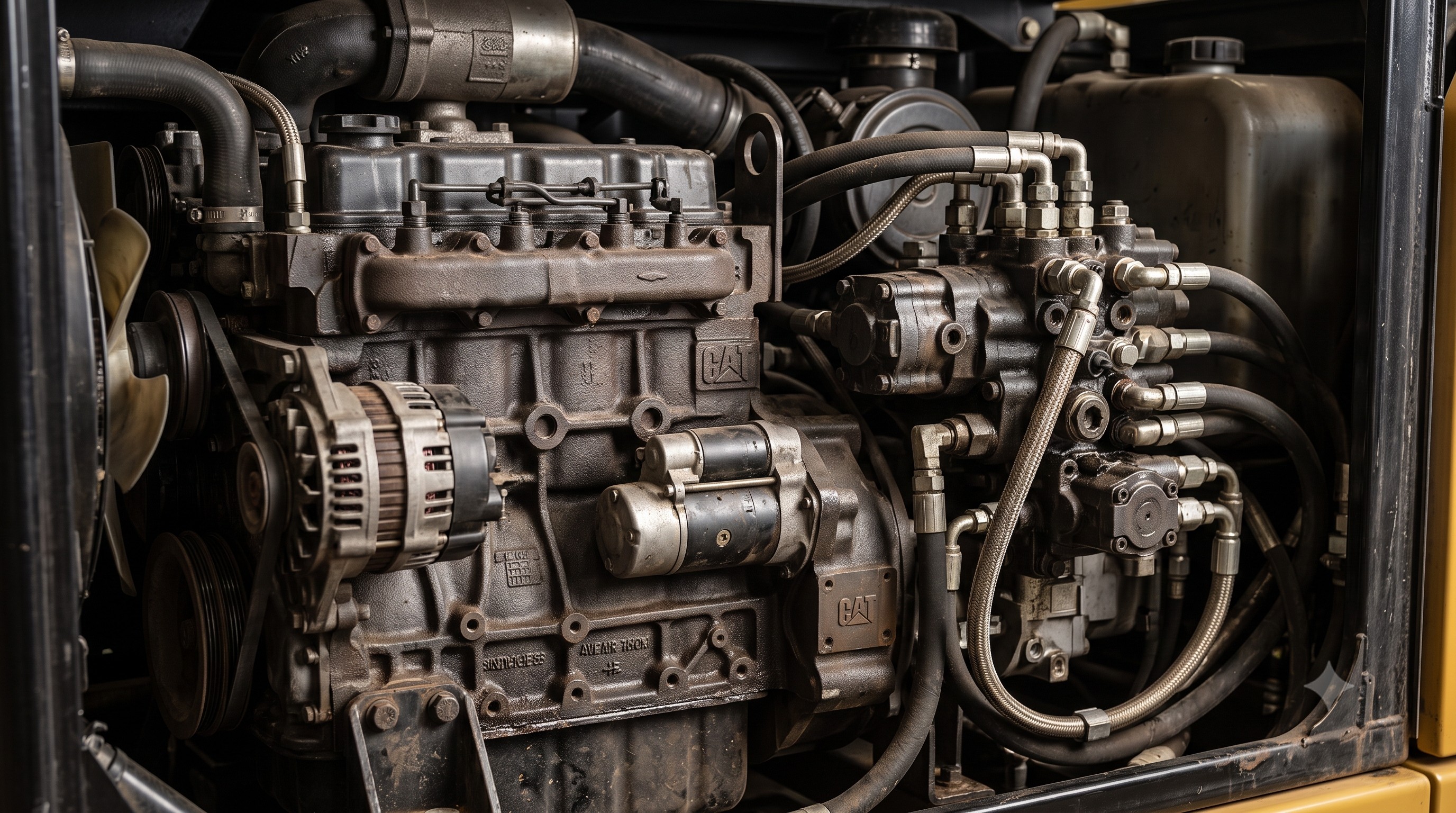
At the heart of every high-performing mini excavator lies a meticulously engineered powertrain and structural framework designed to withstand the rigors of site clearing. The engine is the primary driver of performance, with modern units featuring advanced emissions technology to meet stringent regulations such as the U.S. EPA Tier 4 Final and EU Stage V standards . For instance, a typical 5-6 ton class machine might be powered by a Cat C3.3B engine producing 69.5 hp of net power . This power is channeled through a load-sensing hydraulic system with a variable displacement piston pump, which optimizes flow and pressure based on the task at hand . This system intelligently delivers up to 62 gpm of hydraulic flow at 2,400 rpm, ensuring that high-demand attachments like rippers and buckets receive the necessary power without sacrificing fuel efficiency . The chassis and undercarriage are built for durability, featuring robust steel components and self-cleaning designs to minimize wear in abrasive conditions . Compliance with ROPS (ISO 12117-2:2008) and FOPS (ISO 10262:1998) standards is non-negotiable, ensuring operator safety while working in hazardous environments .
Technical Specifications
To truly understand the capabilities of a mini excavator for site clearing, one must examine its technical specifications. These metrics define the machine's operational envelope and its suitability for specific tasks. The following table provides a detailed comparison of key parameters for a modern, high-performance 5-6 ton mini excavator, a popular class for site clearing due to its balance of power and transportability.
| Parameter | Specification |
|---|---|
| Engine Model | Cat C3.3B (U.S. EPA Tier 4 Final/EU Stage V) |
| Net Power (ISO 9249) | 69.5 hp @ 2,200 rpm |
| Operating Weight (Max) | 23,002 lb (10,433 kg) |
| Hydraulic Pump Type | Load Sensing, Variable Displacement Piston |
| Pump Flow (Max) | 62 gpm (235 L/min) @ 2,400 rpm |
| Operating Pressure (Equipment/Travel) | 4,134 psi (28,500 kPa) |
| Digging Force (Bucket) | 17,459 lb (7,920 kg) |
| Fuel Tank Capacity | 38 gal (US) (144 L) |
Comparative Advantage
When compared to alternative site clearing methods such as bulldozers, backhoe loaders, or manual labor, the mini excavator offers compelling advantages in Total Cost of Ownership (TCO), fuel efficiency, and Return on Investment (ROI). The compact footprint and reduced operating weight allow for lower transport costs and access to tight urban job sites, where larger machines incur significant mobilization expenses . Enhanced fuel efficiency, driven by load-sensing hydraulics and advanced engine management, contributes to up to 10% lower total ownership costs compared to older models . The versatility of the platform, enabling rapid attachment changes via quick couplers, maximizes machine utilization and reduces the need for multiple specialized pieces of equipment . This adaptability directly improves ROI, as the machine can transition from clearing to trenching or material handling within minutes .
Heavy-Duty Application Scenarios
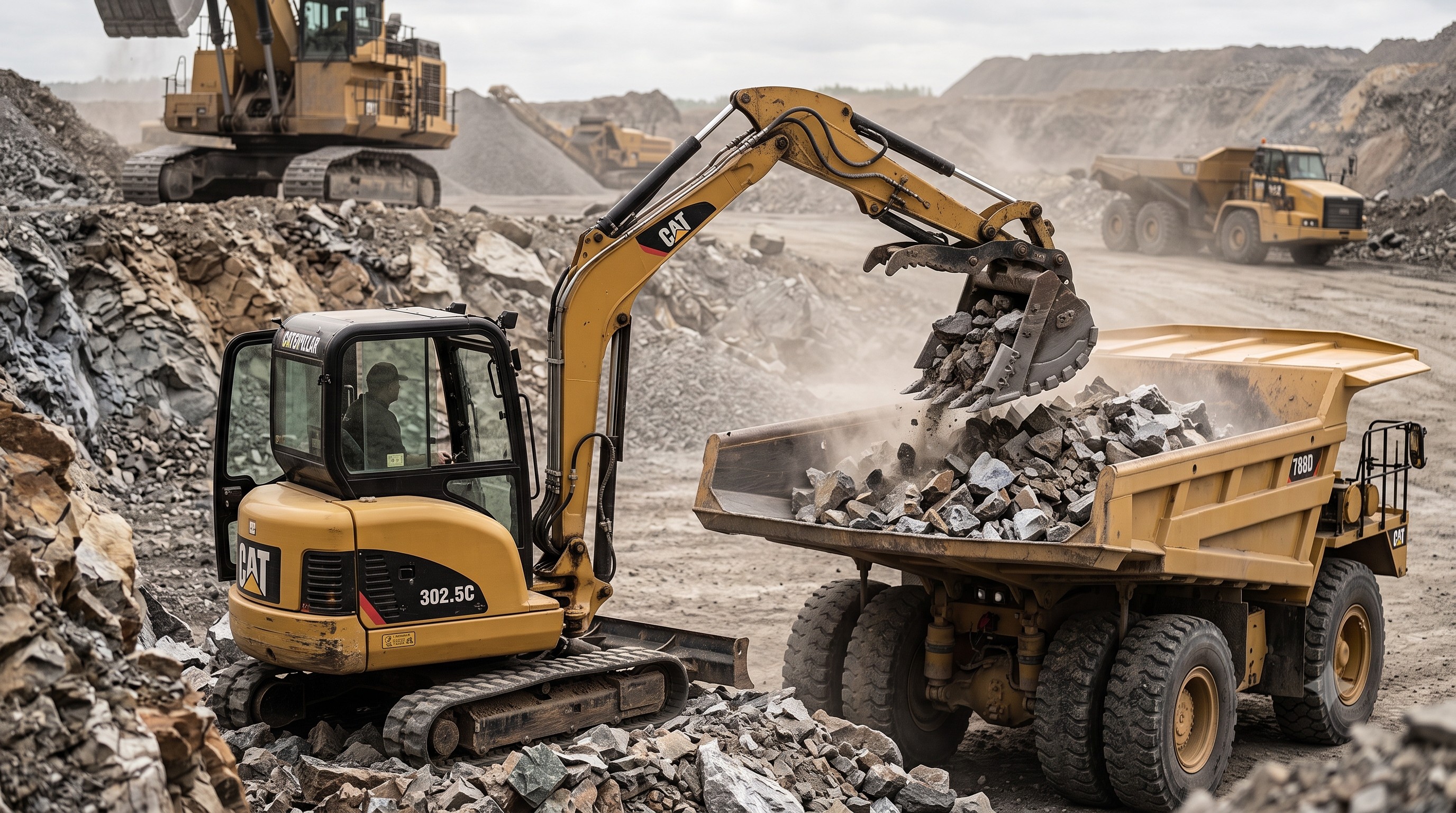
The utility of the mini excavator for site clearing is best demonstrated through its application in various heavy-duty scenarios. In construction, these machines are used for comprehensive site preparation, including clearing vegetation, excavating basements, and backfilling foundations . In mining and quarry operations, they are paired with specialized attachments like rippers to provide a cost-effective alternative to blasting, pulling rock from the ground with reduced environmental impact . For landscaping, the mini excavator is instrumental in grading terrain, removing stumps and overgrown roots, and shaping slopes . In municipal utility work, its precision allows for safe excavation around existing infrastructure during pipeline and conduit installation . The ability to switch between a heavy-duty rock bucket and a ripper on a single machine underscores its role as a force multiplier on any job site.
Conclusion
Securing a mini excavator for site clearing tasks is a strategic investment in productivity, efficiency, and safety. By understanding the core powertrain technology, hydraulic capabilities, and structural design, industry professionals can select the optimal machine for their specific needs. The versatility offered by a wide range of attachments transforms the mini excavator from a simple digging tool into a comprehensive site preparation solution. As the construction industry continues to evolve towards greater efficiency and sustainability, the mini excavator stands out as an essential asset for any modern contractor looking to enhance their operational capabilities and meet the challenges of today's demanding projects.