

Introduction
In today's rapidly evolving construction and industrial landscape, project managers and fleet owners face the dual challenge of maximizing operational efficiency while strictly controlling capital expenditures. The decision to purchase equipment, particularly a mini excavator, has become a strategic pivot point for many businesses. As urban job sites grow denser and labor shortages persist, the compact excavator has emerged as a defining machine for the decade . The 'direct purchase' model, particularly factory-direct B2B sourcing, is gaining traction as a robust solution to bypass traditional dealer markups, offering cost savings of up to 40 percent without compromising on quality . However, selecting the right machine requires more than just comparing price tags. It demands a deep dive into technical specifications, powertrain design, and a thorough cost-benefit analysis. This guide provides an authoritative, data-driven framework for making an informed mini excavator direct purchase decision in 2026.
Core Powertrain & Structural Design
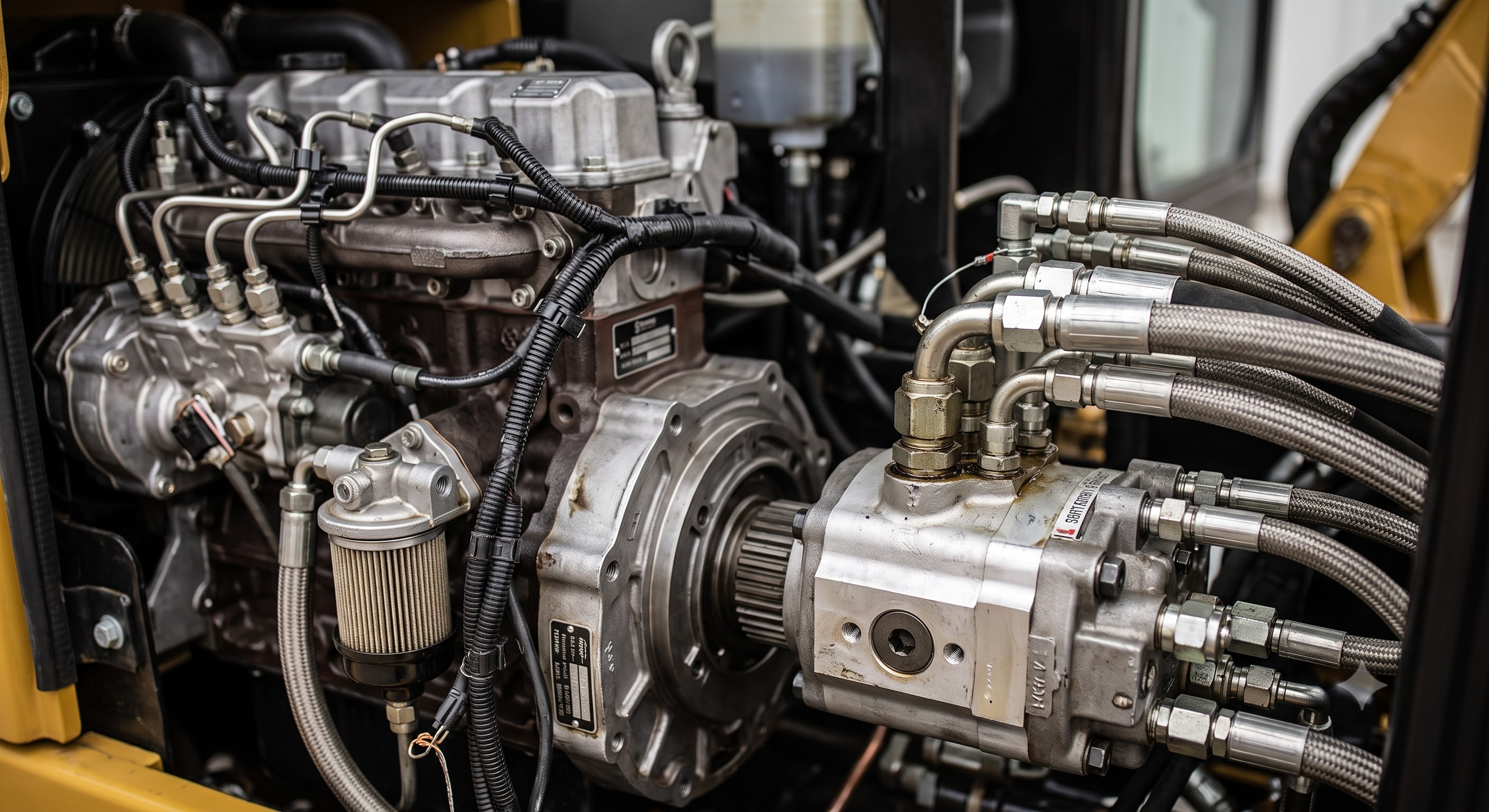
The heart of any reliable mini excavator lies in its powertrain and structural integrity. When evaluating a machine for direct purchase, one must scrutinize the engine, hydraulic system, and chassis with an engineer's precision.
Engine Performance & Emissions Compliance
The engine is the primary determinant of a machine's capability and operating cost. For diesel-powered units, which dominate the market, look for engines from reputable suppliers like Kubota or Yanmar . Key metrics include gross horsepower and net power, which must be evaluated against the machine's operating weight to ensure a balanced power-to-weight ratio. For instance, a 1.8-ton machine might feature a 19.5 hp Kubota D902 engine , while a larger 5.5-ton model could utilize a 58.7 hp engine .
Critically, ensure the engine meets the emissions standards for your region. In North America, this generally means compliance with U.S. EPA Tier 4 Final standards, while European operations require EU Stage V certification . These standards often involve advanced after-treatment systems, which can impact maintenance schedules and operating costs. It is also worth noting the growing presence of electric mini excavators, which offer zero emissions and significantly reduced noise levels, making them ideal for indoor or ecologically sensitive areas .
Hydraulic System & Efficiency
Hydraulic performance dictates the machine's breakout force, lifting capacity, and overall precision. Modern, high-performance mini excavators utilize load-sensing hydraulic systems with variable displacement piston pumps . This technology adjusts the hydraulic flow and pressure based on the specific task, leading to superior control and a significant reduction in fuel consumption compared to fixed-displacement systems .
Key hydraulic parameters to evaluate include:
- Hydraulic Flow (gpm/lpm): This determines the speed of hydraulic functions and the compatibility with attachments like breakers or augers.
- System Pressure (psi/bar): Higher system pressure directly correlates to greater digging and lifting forces.
- Digging Force: Scrutinize both the bucket digging force and the arm/ stick digging force. These are crucial for tasks involving tough soil or rocky conditions .
For example, some new models boast a 16% increase in bucket digging force through upgraded cylinder designs , and advanced flow-sharing hydraulic systems can improve travel speed under load by 25% .
Undercarriage & Structural Durability
The undercarriage and main frame must withstand the rigors of demanding job sites. Rubber tracks are standard for mini excavators, providing low ground pressure and minimizing damage to finished surfaces . For work in debris-filled environments, steel tracks with rubber pads may be a more durable option .
Structural safety is non-negotiable. The cab or canopy must be certified with a ROPS (Roll-Over Protective Structure) and FOPS (Falling Object Protective Structure), in compliance with standards like ISO 12117-2 and ISO 10262 . When considering a direct purchase, inspect the quality of the boom and arm, which should be constructed from high-strength steel plates and feature durable, long-life bushings to reduce daily maintenance .
Technical Specifications
To make a data-driven decision, one must compare the technical specifications of shortlisted models. The following table provides a standardized framework for evaluating key parameters. For a direct purchase, it is vital to obtain these specs directly from the manufacturer and verify them against industry standards.
| Key Parameter | Technical Specification |
|---|---|
| Engine Power | Typically ranges from 15 hp for micro models to over 70 hp for larger units (e.g., Cat C3.3B: 69.5 hp) |
| Operating Weight | Ranges from under 1 ton to 6 tons, defining the machine's class and stability (e.g., Bobcat E20: 1.9t) |
| Hydraulic System Type | Load-Sensing, Variable Displacement Piston Pump (e.g., Cat 310: Load Sensing Hydraulics) |
| Max Digging Depth | A critical reach metric, varying from 7 ft to over 15 ft depending on the machine size |
| Tail Swing Radius | Zero, short, or standard rear tail swing design (e.g., New Holland D-Series: Zero-Tail Swing) |
Comparative Advantage: TCO and ROI Analysis
While the upfront purchase price is a primary consideration, the true value of a direct purchase is best measured by the Total Cost of Ownership (TCO) and the Return on Investment (ROI). Bypassing dealer networks can significantly reduce the initial acquisition cost , but a comprehensive analysis must factor in operating expenses, maintenance, and projected revenue.
Fuel Efficiency & Maintenance Costs
Fuel is a major variable cost over a machine's lifetime. Advanced powertrains and hydraulic systems offer significant fuel savings. For example, some models feature a dedicated ECO-mode that can reduce fuel consumption by as much as 25% compared to previous generations . Longer service intervals, such as hydraulic oil changes at 1,000 hours and coolant replacements at 2,000 hours, can also drastically reduce maintenance costs .
ROI Calculation & Break-Even Point
To illustrate, consider a scenario for a 3.5-ton mini excavator purchased for approximately $55,000. Industry data suggests that a well-utilized machine (e.g., 200 billable days per year at $400/day) can generate annual revenue of $80,000. After accounting for annual financing costs, fuel, maintenance, and insurance (totaling ~$34,568), the net profit can be around $45,432, yielding an impressive ROI of 82.6% in the first year .
This analysis indicates that many mini excavators have a payback period of 2 to 4 years, after which they continue to generate substantial profit . For a direct purchase from a factory, where the initial cost is lower, the ROI potential is even greater. The break-even point for owning versus renting is often reached after just 80 days of annual usage .
Heavy-Duty Application Scenarios
The selection process must be driven by the specific demands of the intended application. A machine that excels in urban construction may not be ideal for agricultural work, and vice versa.
Construction & Urban Infrastructure
For work in confined spaces, such as between buildings or in utility trenches, a machine with a zero-tail swing or compact radius is essential to prevent collisions and liability issues . Models with retractable or variable-width tracks allow for access through narrow gateways . In this sector, robust auxiliary hydraulics are required to power a range of attachments, from hydraulic breakers for concrete demolition to augers for drilling .
Earthmoving & Mining
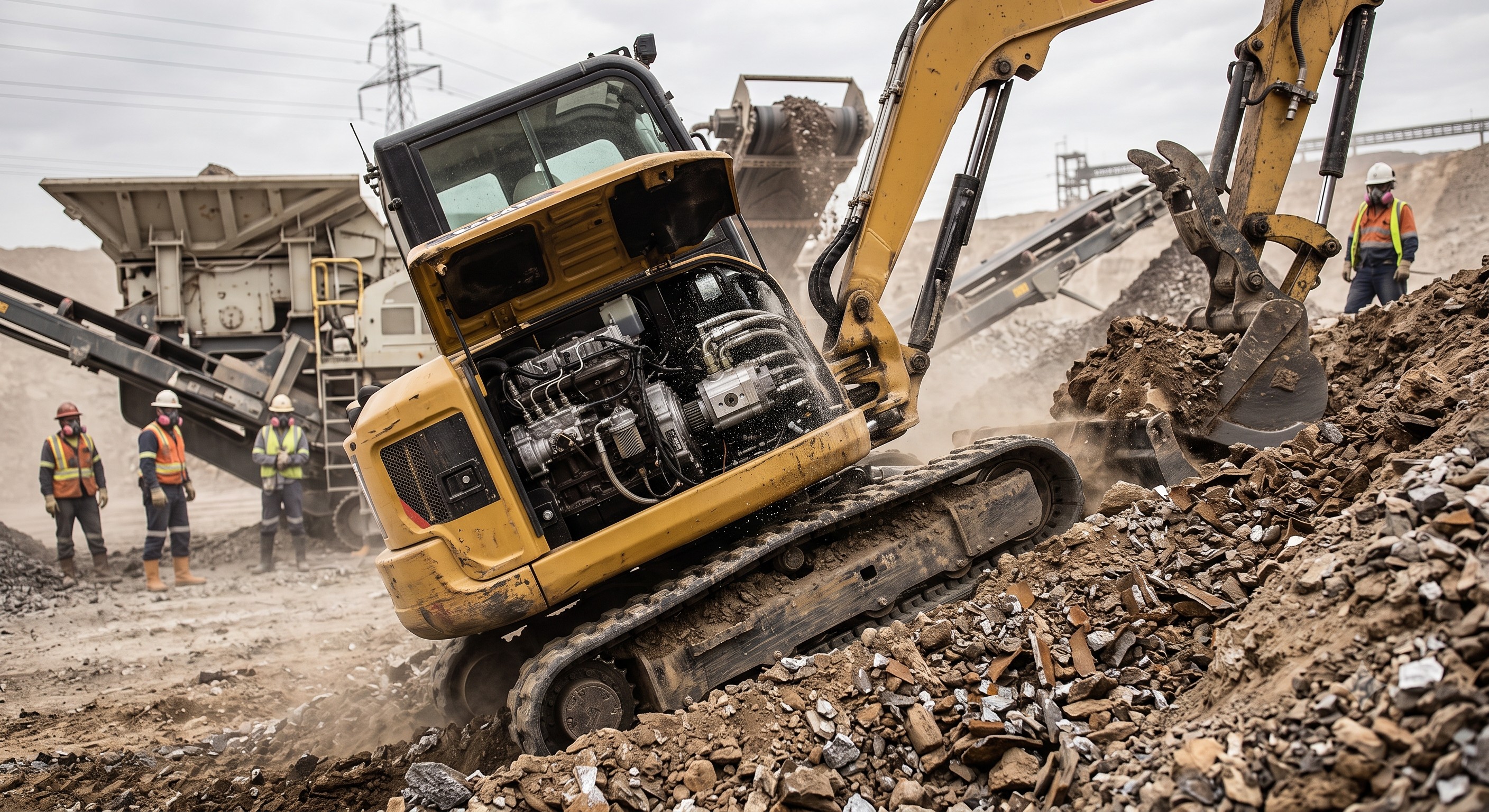
While larger machines dominate primary mining, mini excavators are invaluable for site preparation, drainage, and cleanup tasks. In earthmoving, low ground pressure is critical to prevent the machine from becoming stuck in soft soil . Key specifications to prioritize include high bucket breakout force and deep digging depths for tasks like creating drainage channels .
Agriculture & Landscaping
In agricultural settings, reach and ground protection are paramount. A wider rubber track footprint minimizes damage to fields, while a long-arm option can extend the machine's reach for tasks like clearing ditches from an embankment . Versatility is key, with quick-coupler systems enabling rapid attachment changes for fencing, trenching, or material handling .
Conclusion
The decision to pursue a mini excavator direct purchase is a strategic one that can significantly enhance industrial productivity and profitability. By moving beyond simple price comparisons and engaging with the granular technical details—from engine power and hydraulic efficiency to structural durability and emission standards—businesses can select a machine perfectly aligned with their operational demands. The data is clear: with proper selection and utilization, the TCO of a mini excavator is favorable, with a strong ROI making it a sound capital investment. As the industry shifts towards more efficient, sustainable, and direct-to-consumer models, those who arm themselves with technical knowledge will be best positioned to lead the market.