

Overview
For B2B fleet and procurement managers in underground engineering, the shift to electric excavators represents a significant operational change. The primary concerns often revolve around safety, reliability, and total cost of ownership in demanding subterranean environments. This FAQ addresses the most critical technical and safety questions to aid in your decision-making process.
Frequently Asked Questions
Q1: Is an electric excavator safe for underground engineering environments?
Yes, an electric excavator is considered significantly safer for underground engineering than its diesel counterpart. The primary safety advantage is the elimination of diesel particulate matter (DPM) and toxic nitrogen oxide (NOx) emissions, which are major health hazards in confined spaces. Furthermore, the reduced noise levels enhance communication and safety awareness on the job site, while advanced battery management systems (BMS) are engineered to prevent thermal runaway and ensure operational safety.
Q2: What is the standard maintenance interval for an electric excavator?
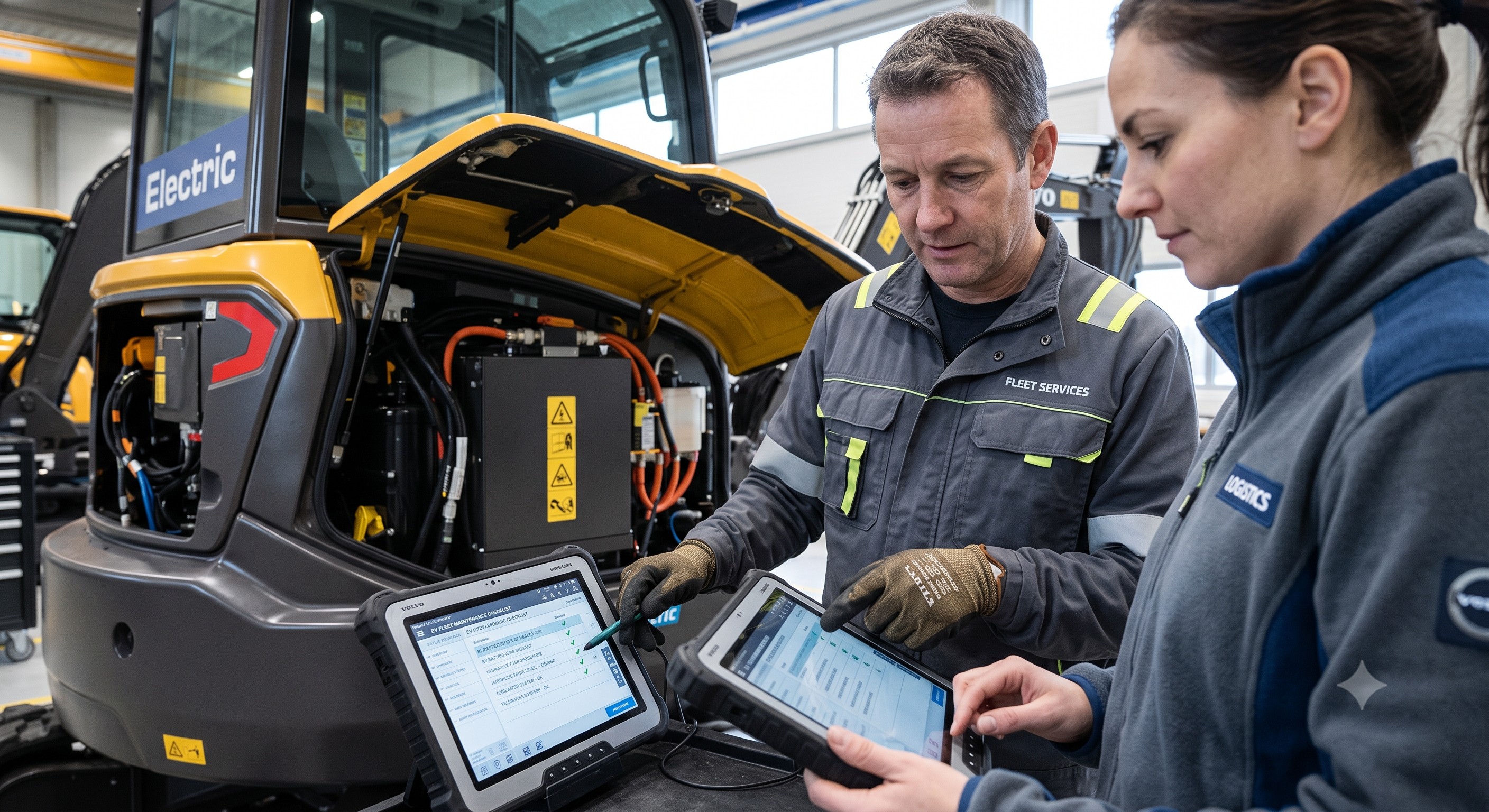
The standard maintenance interval for an electric excavator is typically every 500 to 1,000 operating hours, which is significantly longer than the 250-hour interval common for diesel models. This is due to the absence of engine oil, fuel filters, and complex after-treatment systems (like DEF). Regular maintenance primarily focuses on inspecting the high-voltage cables, checking the battery cooling system coolant levels, and greasing the articulation points and attachments.
Q3: What is the maximum payload capacity for an electric excavator used in underground engineering?
The maximum payload capacity for an electric excavator varies by model, but standard underground-class machines range from 10 to 22 metric tons. For example, a 14-ton electric excavator typically offers a bucket capacity of 1.0 to 1.2 cubic yards and a maximum digging force of around 15,000 to 18,000 pounds-force (lbf). It is crucial to consult the specific machine's load chart, as operating weight and ground conditions can affect the safe working load.
Q4: Are electric excavator attachments compatible with my existing fleet?
Yes, most electric excavators are designed to be fully compatible with standard, non-electric hydraulic attachments. The hydraulic systems operate at the same standard pressures (e.g., 4,500 psi) and flow rates as conventional excavators, allowing for seamless integration with hydraulic breakers, grapples, and augers. However, it is essential to confirm that the attachment's hydraulic oil flow and pressure requirements match the electric excavator's specifications to ensure optimal performance and safety.
Q5: What are the specific safety protocols for charging an electric excavator underground?
The specific safety protocols for charging an electric excavator underground include using certified, intrinsically safe charging stations that are rated for the specific voltage (often 380-480V AC) and installed in designated, well-ventilated areas. Operators must perform a pre-charge inspection of the cable and connectors for damage and ensure the area is clear of flammable materials. Furthermore, it is mandatory to have a fire suppression system (e.g., a Class D fire extinguisher for lithium-ion batteries) in the immediate vicinity of the charging point as part of standard operational procedures.
Q6: When is the hydraulic fluid replacement required for an electric excavator?
Hydraulic fluid replacement for an electric excavator is required at the manufacturer's recommended interval, typically every 2,000 to 3,000 operating hours, or as indicated by the results of an oil analysis. Unlike diesel engines that can contaminate hydraulic fluid with soot, the electric powertrain keeps the hydraulic oil cleaner for longer. However, regular sampling is advised to monitor for water ingress or metal particle contamination, which can indicate wear in the hydraulic pumps or cylinders.
Q7: What is the availability and lead time for critical spare parts for electric excavators?
The availability and lead time for critical spare parts for electric excavators are becoming increasingly competitive, with major manufacturers stocking core components like battery modules, electric motors, and inverters in regional warehouses. Typical lead times for standard wear parts (filters, hoses) are 24-48 hours, while critical electronic components may take 2-4 weeks, depending on the supply chain. It is highly recommended to establish a parts inventory agreement with the dealer to minimize downtime, especially for high-wear items like hydraulic cylinders and track components.