

Introduction: Addressing Modern Construction Productivity Challenges
In the demanding world of B2B heavy industry, project timelines are shrinking while load weights and lifting radii are expanding. The construction truck crane has evolved from a simple lifting device to a sophisticated, integrated mechatronic system that bridges the gap between mobile rough-terrain cranes and tower cranes. This blog offers a technical deep-dive into the engineering that defines the current generation of heavy-duty crane trucks, focusing on metrics that matter to fleet managers and project engineers: uptime, total cost of ownership (TCO), and return on investment (ROI). We will dissect the powertrain, hydraulic intelligence, and structural durability, with a special emphasis on regulatory compliance (EU Stage V and EPA Tier 4 final) and safety systems (ISO 4302, ROPS and FOPS).
Core Powertrain & Structural Design
The true value of a construction truck crane lies in the synergy between its prime mover and its load-bearing architecture. Modern cranes leverage high-efficiency diesel engines, intelligent hydraulics, and high-strength steel chassis to ensure safety and reliability in harsh environments.
Heavy-Duty Powertrain
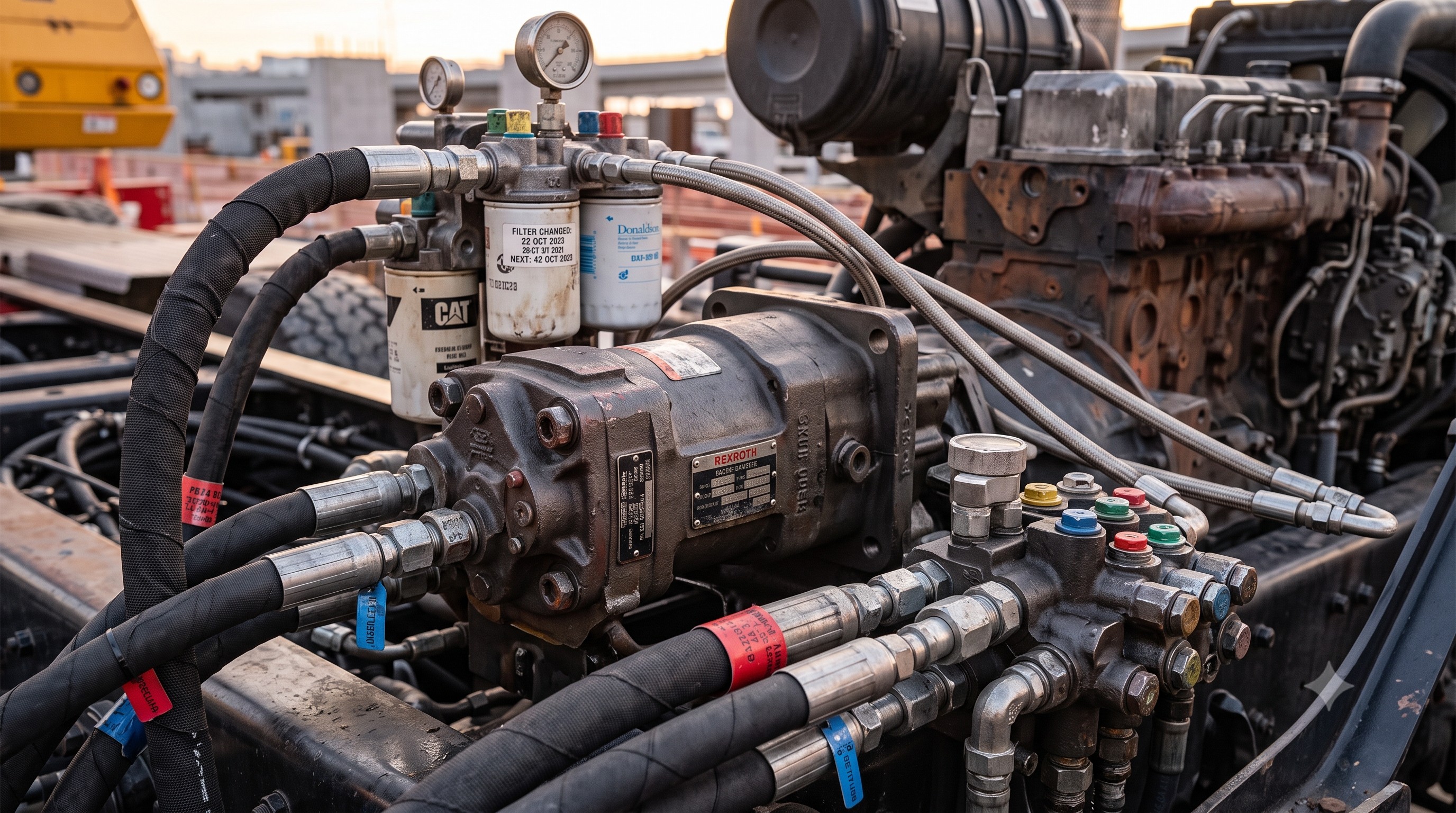
At the heart of these heavy-duty cranes are six-cylinder in-line diesel engines producing upwards of 400 to 600 horsepower (hp). These units are engineered for continuous high-load operation, often featuring engine braking systems and advanced exhaust gas recirculation (EGR) to manage thermal loads. The powertrain interfaces directly with the hydraulic pump drive system, typically a closed-loop hydrostatic piston pump, capable of generating working pressures exceeding 350 bar (5,000 PSI). This pressure translates to exceptional lifting capacities, often exceeding 100 tons for standard configurations.
Chassis and Safety
The chassis frame is constructed from high-tensile steel plate, stress-relieved to endure the torsion and bending moments imposed during operation. Key safety features include load moment indicators (LMI), boom angle limiters, and anti-two-blocking devices that comply with EN 13000 standards. The structural integrity is further tested to meet ROPS (Roll Over Protective Structure) and FOPS (Falling Object Protective Structure), ensuring operator safety in industrial environments.
Technical Specifications
Below are the core specifications that define a high-performance construction truck crane. These parameters should be carefully evaluated during equipment selection.
| Key Parameter | Technical Specification |
|---|---|
| Engine Horsepower | 440 - 600 HP |
| Engine Torque | 2,100 - 2,800 Nm |
| Operating Weight | 42,000 - 55,000 kg |
| Maximum Load Capacity | 100 - 130 Tons |
| Main Boom Length | 30 - 50 meters |
| Hydraulic System Pressure | 350 Bar (5,000 PSI) |
| Fuel Tank Capacity | 600 - 800 Liters |
| Emission Standard | EPA Tier 4 / EU Stage V |
| Safety Compliance | ISO 4302, EN 13000 |
Comparative Advantage: TCO and ROI
The business case for investing in a premium mobile crane transcends the initial purchase price. We analyze the advantages that influence long-term profitability.
- Fuel Efficiency: Advanced load-sensing hydraulic systems reduce parasitic power loss, achieving fuel consumption rates as low as 12-15 L/hour under standard lifting cycles, representing a 15-20% improvement over legacy models.
- Reduced Maintenance: Extended service intervals (up to 1,000 hours) for hydraulic oil and engine oil, coupled with central lubrication systems, minimize downtime.
- ROI Impact: On a typical rental or contract basis, a truck crane can achieve a payback period of 3 to 5 years and an ROI exceeding 25% annually, depending on utilization rates.
- Versatility: Many configurations support quick attachment changes (e.g., clamshell buckets, luffing jibs), allowing single units to perform duties ranging from earthmoving to erection.
Heavy-Duty Application Scenarios
The robustness of the industrial crane makes it an essential asset across multiple sectors. The images below illustrate typical deployment scenarios.
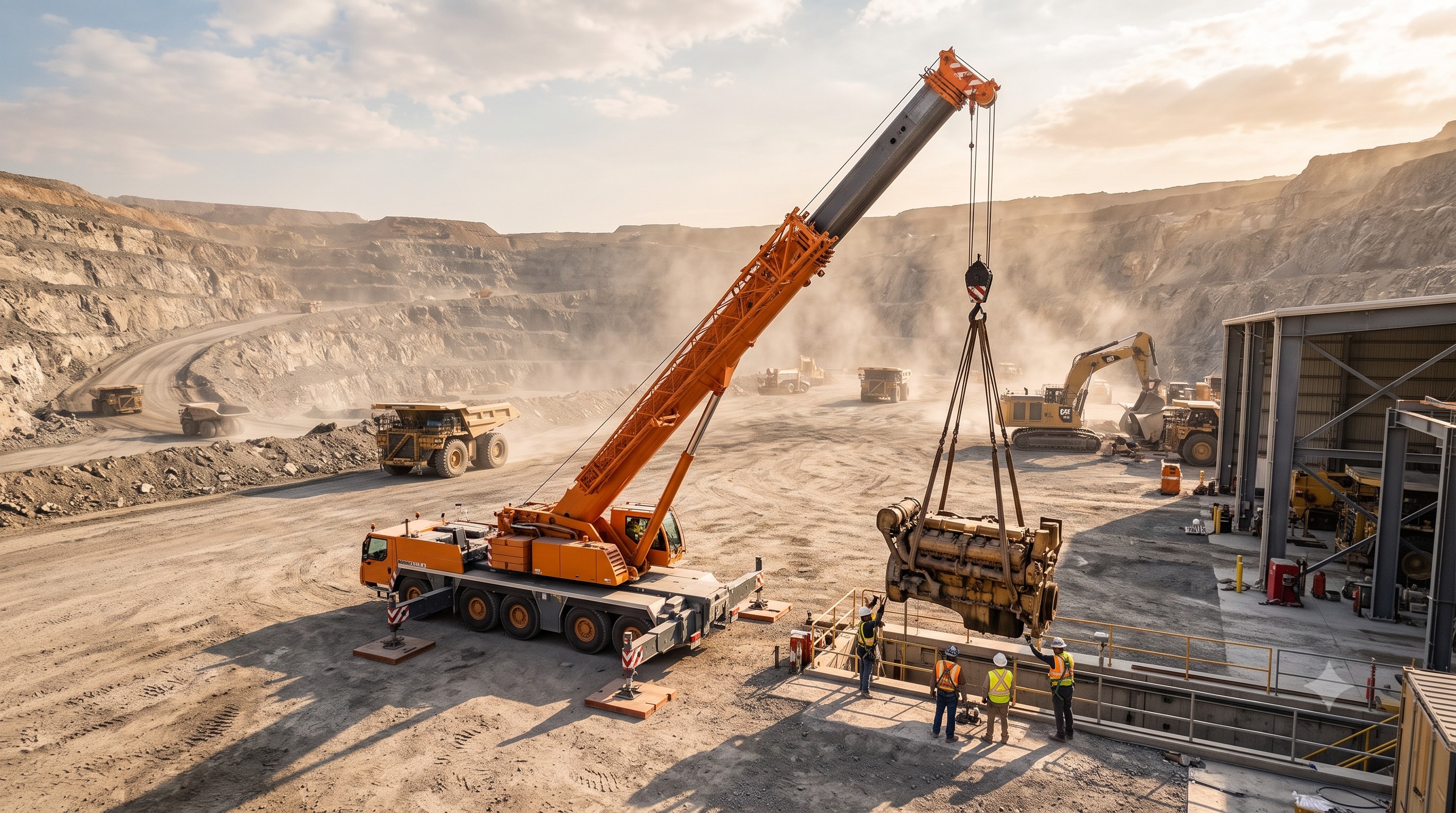
In construction, these cranes are deployed for erecting pre-stressed concrete structures and steel frameworks. In mining, they handle heavy wear parts and crusher components. Their ability to operate in confined spaces while delivering massive lifting force is unmatched.
Conclusion: Future-Proofing Industrial Lifting
The evolution of the construction truck crane continues with the integration of telematics, predictive maintenance, and advanced materials. For B2B enterprises, choosing a crane means investing in a balance of power, efficiency, and long-term reliability. By focusing on core parameters such as hydraulic efficiency, structural compliance, and TCO, operators can ensure that their fleet remains productive and profitable.