

Overview
For B2B procurement and fleet managers, selecting and maintaining a construction truck crane involves more than just evaluating lift capacity. This FAQ addresses critical pre-sales and post-sales questions, from engine emissions compliance to hydraulic system care, ensuring optimal return on investment and operational safety.
Frequently Asked Questions
Q1: What is the standard operating capacity (max payload) for a standard construction truck crane?
The standard operating capacity for a typical construction truck crane ranges from 25 to 60 tons for most city and highway applications. However, heavy-duty models can exceed 100 tons. The exact payload is highly dependent on the crane's configuration, outrigger extension, and boom angle. Always consult the specific load chart for your model, as capacity decreases significantly as the boom radius increases. For B2B procurement, prioritize a crane whose maximum capacity is at least 20% higher than your average load to ensure a safety margin and reduce wear on hydraulic components.
Q2: What are the engine emission standards for modern construction truck cranes?
Modern construction truck cranes are required to comply with Tier 4 Final emission standards in North America and Stage V standards in Europe. These regulations mandate the use of advanced after-treatment systems, including Diesel Particulate Filters (DPF) and Selective Catalytic Reduction (SCR) with Diesel Exhaust Fluid (DEF). When evaluating a crane, verify the engine's compliance label. Operating a non-compliant crane can result in significant fines and operational restrictions. Consider the total cost of ownership, as DEF consumption adds to operational expenses but is necessary for legal operation.
Q3: How do I determine if an attachment (e.g., jib, clamshell bucket) is compatible with my truck crane?
Attachment compatibility is determined primarily by the crane's hydraulic flow rate (GPM/LPM) and operating pressure (PSI/bar), alongside the structural attachment points. Consult the crane's hydraulic system specifications and the attachment manufacturer's requirements. A mismatch in flow can cause slow operation or damage the attachment. For heavy attachments like jibs, you must also cross-reference the load moment indicator (LMI) system, which must be re-calibrated by a certified technician after attachment installation to ensure safe load monitoring.
Q4: What is the recommended hydraulic fluid replacement interval for a construction truck crane?
The recommended hydraulic fluid replacement interval for a construction truck crane is typically every 1,000 to 2,000 operating hours, or annually, whichever comes first. However, this interval is heavily dependent on the fluid type and environmental conditions. We strongly recommend implementing a hydraulic fluid analysis program; testing the fluid for contamination and viscosity breakdown allows you to extend or shorten the interval based on actual condition, which can save thousands in premature fluid replacement costs and prevent catastrophic pump failure.
Q5: What are the critical maintenance intervals for a construction truck crane?
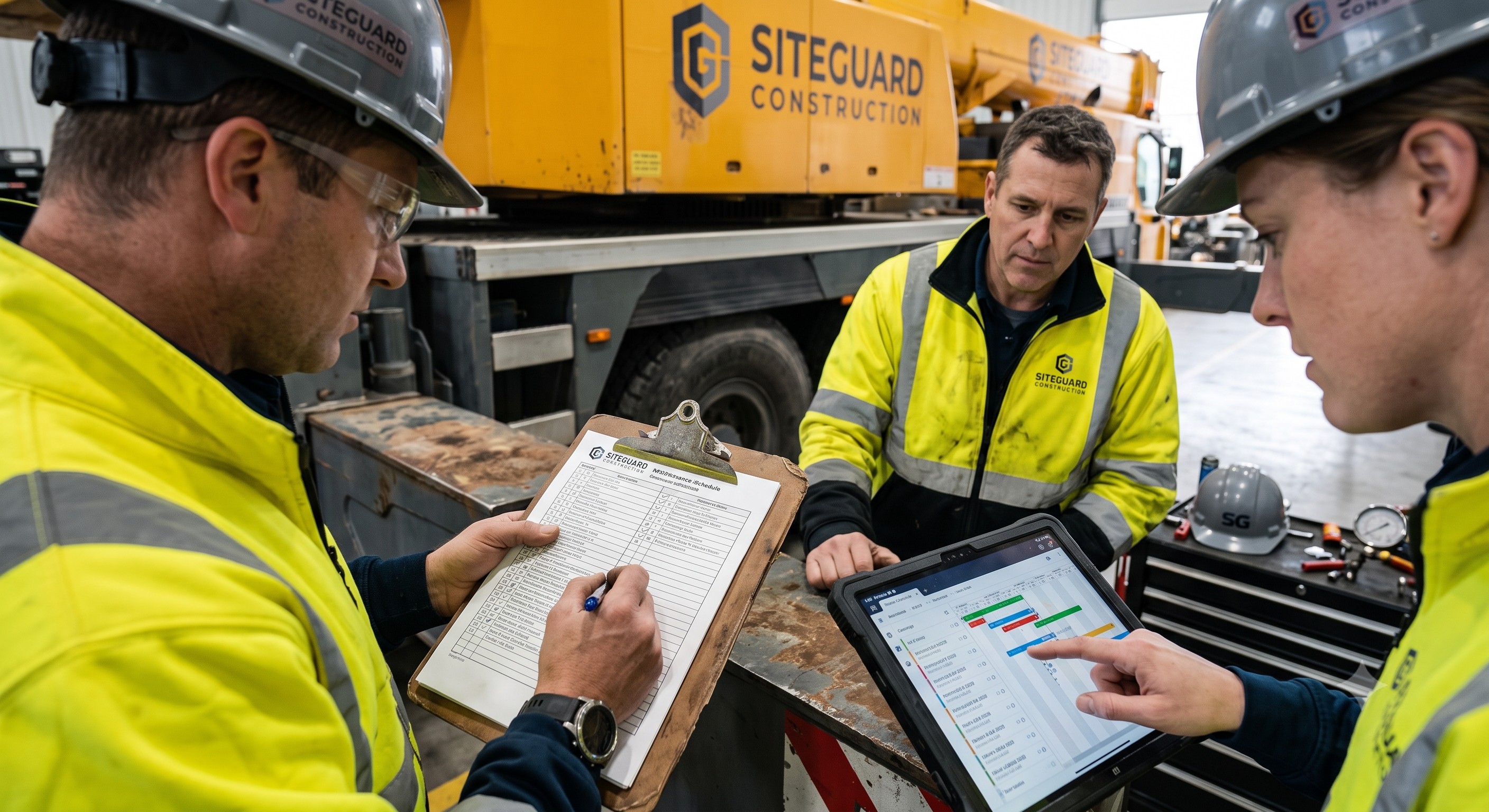
The critical maintenance intervals are structured around daily, quarterly, and annual schedules. Daily pre-operation checks include inspecting wire rope for wear, checking hydraulic oil levels, and testing brakes. Quarterly maintenance (every 250-500 hours) involves replacing engine oil, fuel filters, and greasing all boom pivot points. Annual maintenance (1,000+ hours) requires a comprehensive inspection, including hydraulic oil change, boom telescope wear pad inspection, and full certification of the crane's load chart and safety systems by a certified body.
Q6: What spare parts should I keep in inventory to minimize downtime?
To minimize downtime, maintain a critical inventory of wire rope slings, hydraulic hoses, and common sensors (like boom angle sensors). We also advise stocking consumable filters (engine oil, fuel, and hydraulic) and a spare set of outrigger pads. For optimal inventory management, collaborate with your dealer to identify the top 10 parts with the highest failure rate for your specific model. Keeping these items on-site reduces Mean Time To Repair (MTTR) from days to hours, a crucial factor for fleet managers overseeing high-utilization assets.